
9 . What Your Parents Teach You About Outdoor Wood Burning Stove
페이지 정보
작성자 Lou Daecher 댓글 0건 조회 35회 작성일 24-05-20 21:22본문
The Craftsmanship of an Outdoor Wood Burning Stove
Craftsmanship plays a vital role in the durability and performance of outdoor equipment. Designed with this in mind, this stove exudes robustness and resilience.
It is designed to limit smoke production and is suitable to cook or heat water. This makes it a reliable option for camping trips.
It is recommended that you place the stove at a safe distance from combustible substances.
Versatility
A wood-burning stove could be a wonderful addition to your home. It can be used either as the primary source of heat or in conjunction with a different heating system. It can also be used outdoors to extend your outdoor time, and create the perfect atmosphere for gathering with friends and family.
An outdoor small wood burning stove furnace is easily installed in just a few steps. It is usually made from solid materials that can withstand the harshest outdoor conditions and is designed to be as secure as possible. Its chimney should be properly sealed and ventilated to stop smoke from entering your home or posing a fire risk to nearby trees and bushes. An outdoor wood stove fireplace is also a healthier alternative to traditional indoor models, Outdoor Wood Burning Stove which release harmful levels of indoor air pollution and pose a fire risk.
The Guide Gear wood-burning stove is an option that is versatile and offers many benefits. It can be used to burn wood, solidified ethanol tablets, or hexamine fuel block. It can also boil the water in less than six minutes making it an ideal option for cooking outdoors. It is also light and compact. This makes it a great option for backpackers who want to reduce the weight and space of their camping equipment.
An outdoor wood stove can also be used to heat water through back boilers, which can help to lower your energy costs and impact on the environment. This is particularly beneficial in areas that have limited access to gas, coal, or oil. It is important to keep in mind that outdoor Outdoor Wood Burning Stove wood stoves do not perform the same way as modern heating equipment. They also require regular maintenance.
Portability
An outdoor wood burning stove is a great way to keep your tent warm when camping in the great outdoors. It's lightweight and portable, so you can easily bring it along on your adventures. It's also simple to use and maintain. The only downside is that it requires a lot of effort to prepare the fuel. This includes cutting, stacking, and loading. It must also be seasoned prior to using. However, this can be a fun and exciting family activity that can be done during camping.
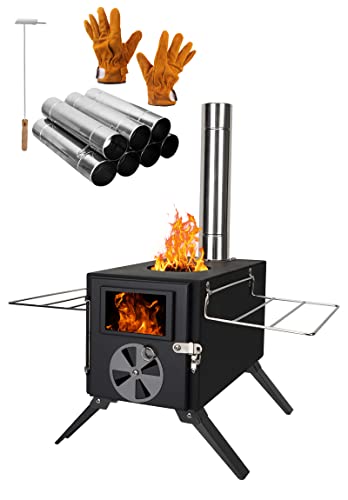
This stove is not just durable, but also beautiful. Its compact frame and sleek design provide a striking balance of aesthetics and functionality. This makes it the perfect companion for outdoor enthusiasts. This stove can also be used to cook meals as well as heat tents and outdoor shelters.
The Zorestar stove is a fantastic option for those who like the versatility of pellets and wood. It can be used to heat a van, tent, tiny home, yurt, or even a tent. The stove also has a large cooking area that can hold pans and pots that are up to 8 inches diameter.
Another benefit of an outdoor wood-burning stove is that it emits less smoke than a fireplace or wood stove, which can improve the quality of indoor air and decrease the amount of wood you'll need to buy and cut. Choose a stove that is EPA certified and employs advanced combustion technologies to reduce emissions. The stoves that are EPA-certified will also save you money on fuel and could reduce the frequency at which your neighbors complain about your wood smokestack.
However, it's important to remember that an OWB still emits a significant amount of harmful pollutants. This is especially true when you burn poorly-seasoned wood or other unsuitable materials. NESCAUM notes that enforcement programs have discovered OWBs burning tires, trash bags and railroad tie, among others. Choose an EPA-certified stove with strict emission standards to avoid this.
Efficiency
An outdoor wood burning stove is a great choice for heating your home. They provide warm, pure heat that is more cost effective than propane or natural gas alternatives. The efficiency of outdoor woods stoves can vary depending on the kind and the seasoning of the wood. Most of the time, more efficient models produce less smoke and have more BTU per hour of output.
A basic outdoor wood-burning stove consists of a firebox, an air blower, and doors. The doors let you access the firebox for maintenance and cleaning and the blower circulates the hot air. The doors stop the air from blowing out of the firebox and into your living area.
Efficiency of an outdoor wood stove may be affected by the quality of the wood used as fuel, the method by which it is seasoned and the appliance operation. Making sure to select kiln dried firewood with a moisture content of less than 20% is essential for achieving the highest efficiency. Avoid using painted or oiled firewood, as they will cause pollutants and odours. They also increase chimney deposits.
The amount of heat produced by the stove when it is operating also affects its efficiency. The more efficient models use prewarmed combustion air to improve combustion and make the most of the available heat. Other models use baffles and other mechanisms to make hot gases follow a a longer path, allowing them to spend longer in the air to fully combust.
While laboratory emission tests are a great way to assess the overall quality of a product, they do not accurately show how a product will perform in daily life. In 2015 the EPA removed the default efficiency rating from their list of stoves certified because it was both inaccurate and mislead.
The efficiency of a wood burner for outdoor use is 65%, with catalytic stoves having an efficiency that is slightly higher (72 percent). It is important to remember that the actual efficiency of a fireplace can vary depending on the type of wood and how well it is maintained. Green wood, for example has a moisture content up to 50 percent higher than other kinds of wood, and therefore requires more energy to boil the water prior to transferring heat to your home.
Maintenance
Although an outdoor wood-burning stove is a wonderful option for a cost-effective alternative to electric heating, it's not without its own maintenance requirements. However, with proper care an OWB can be enjoyed year after year. Having a Regency Professional conduct an annual cleaning of your stove is the best method to ensure it is in good working order and ensure you're in compliance with local building codes.
The frequency with the frequency at which a stove that burns wood must be cleaned depends on the frequency at which it is used, the type of wood burned and how hot the fires burn. A stove that is used every day to heat homes is required to be cleaned at minimum every week, and even more often in winter. It is crucial to not just scoop out the ash each day, but also to look for creosote and glassing in the flue. Creosote can block the chimney if not cleaned regularly.
Burn only wood that has been allowed a minimum of one year to dry. This will help reduce the buildup of creosote. Use only dry, clean igniters to start the fire (such as newspaper or kindling). This will help prevent smoldering flames which produce more creosote a hot, good burn.
Clean fireplace door glass is an additional important task for maintenance. To get rid of glare and creosote, simply dampen a piece of flannel or an old cloth and gently scrub the glass surface. Then, using a piece of kitchen paper to remove the excess water and your glass will shine.
 It is also recommended to examine the air intake vent and chimney cap. It may be necessary to clean the vents regularly when they are blocked by leaves and twigs. A poorly-designed ventilation system can also increase the amount smoke and particulate matter that is released into the air. This could lead to unhealthy levels of air pollutants in a nearby area, and may result in local DNR health warnings. This issue can be reduced by making use of an outdoor wood boiler that is correctly measured, placed and is equipped with a ventilation system that provides an air draft.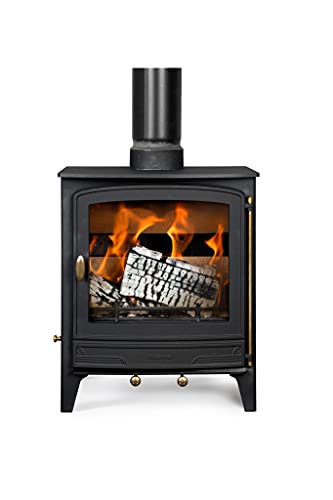
Craftsmanship plays a vital role in the durability and performance of outdoor equipment. Designed with this in mind, this stove exudes robustness and resilience.
It is designed to limit smoke production and is suitable to cook or heat water. This makes it a reliable option for camping trips.
It is recommended that you place the stove at a safe distance from combustible substances.
Versatility
A wood-burning stove could be a wonderful addition to your home. It can be used either as the primary source of heat or in conjunction with a different heating system. It can also be used outdoors to extend your outdoor time, and create the perfect atmosphere for gathering with friends and family.
An outdoor small wood burning stove furnace is easily installed in just a few steps. It is usually made from solid materials that can withstand the harshest outdoor conditions and is designed to be as secure as possible. Its chimney should be properly sealed and ventilated to stop smoke from entering your home or posing a fire risk to nearby trees and bushes. An outdoor wood stove fireplace is also a healthier alternative to traditional indoor models, Outdoor Wood Burning Stove which release harmful levels of indoor air pollution and pose a fire risk.
The Guide Gear wood-burning stove is an option that is versatile and offers many benefits. It can be used to burn wood, solidified ethanol tablets, or hexamine fuel block. It can also boil the water in less than six minutes making it an ideal option for cooking outdoors. It is also light and compact. This makes it a great option for backpackers who want to reduce the weight and space of their camping equipment.
An outdoor wood stove can also be used to heat water through back boilers, which can help to lower your energy costs and impact on the environment. This is particularly beneficial in areas that have limited access to gas, coal, or oil. It is important to keep in mind that outdoor Outdoor Wood Burning Stove wood stoves do not perform the same way as modern heating equipment. They also require regular maintenance.

Portability
An outdoor wood burning stove is a great way to keep your tent warm when camping in the great outdoors. It's lightweight and portable, so you can easily bring it along on your adventures. It's also simple to use and maintain. The only downside is that it requires a lot of effort to prepare the fuel. This includes cutting, stacking, and loading. It must also be seasoned prior to using. However, this can be a fun and exciting family activity that can be done during camping.
This stove is not just durable, but also beautiful. Its compact frame and sleek design provide a striking balance of aesthetics and functionality. This makes it the perfect companion for outdoor enthusiasts. This stove can also be used to cook meals as well as heat tents and outdoor shelters.
The Zorestar stove is a fantastic option for those who like the versatility of pellets and wood. It can be used to heat a van, tent, tiny home, yurt, or even a tent. The stove also has a large cooking area that can hold pans and pots that are up to 8 inches diameter.
Another benefit of an outdoor wood-burning stove is that it emits less smoke than a fireplace or wood stove, which can improve the quality of indoor air and decrease the amount of wood you'll need to buy and cut. Choose a stove that is EPA certified and employs advanced combustion technologies to reduce emissions. The stoves that are EPA-certified will also save you money on fuel and could reduce the frequency at which your neighbors complain about your wood smokestack.
However, it's important to remember that an OWB still emits a significant amount of harmful pollutants. This is especially true when you burn poorly-seasoned wood or other unsuitable materials. NESCAUM notes that enforcement programs have discovered OWBs burning tires, trash bags and railroad tie, among others. Choose an EPA-certified stove with strict emission standards to avoid this.
Efficiency
An outdoor wood burning stove is a great choice for heating your home. They provide warm, pure heat that is more cost effective than propane or natural gas alternatives. The efficiency of outdoor woods stoves can vary depending on the kind and the seasoning of the wood. Most of the time, more efficient models produce less smoke and have more BTU per hour of output.
A basic outdoor wood-burning stove consists of a firebox, an air blower, and doors. The doors let you access the firebox for maintenance and cleaning and the blower circulates the hot air. The doors stop the air from blowing out of the firebox and into your living area.
Efficiency of an outdoor wood stove may be affected by the quality of the wood used as fuel, the method by which it is seasoned and the appliance operation. Making sure to select kiln dried firewood with a moisture content of less than 20% is essential for achieving the highest efficiency. Avoid using painted or oiled firewood, as they will cause pollutants and odours. They also increase chimney deposits.
The amount of heat produced by the stove when it is operating also affects its efficiency. The more efficient models use prewarmed combustion air to improve combustion and make the most of the available heat. Other models use baffles and other mechanisms to make hot gases follow a a longer path, allowing them to spend longer in the air to fully combust.
While laboratory emission tests are a great way to assess the overall quality of a product, they do not accurately show how a product will perform in daily life. In 2015 the EPA removed the default efficiency rating from their list of stoves certified because it was both inaccurate and mislead.
The efficiency of a wood burner for outdoor use is 65%, with catalytic stoves having an efficiency that is slightly higher (72 percent). It is important to remember that the actual efficiency of a fireplace can vary depending on the type of wood and how well it is maintained. Green wood, for example has a moisture content up to 50 percent higher than other kinds of wood, and therefore requires more energy to boil the water prior to transferring heat to your home.
Maintenance
Although an outdoor wood-burning stove is a wonderful option for a cost-effective alternative to electric heating, it's not without its own maintenance requirements. However, with proper care an OWB can be enjoyed year after year. Having a Regency Professional conduct an annual cleaning of your stove is the best method to ensure it is in good working order and ensure you're in compliance with local building codes.
The frequency with the frequency at which a stove that burns wood must be cleaned depends on the frequency at which it is used, the type of wood burned and how hot the fires burn. A stove that is used every day to heat homes is required to be cleaned at minimum every week, and even more often in winter. It is crucial to not just scoop out the ash each day, but also to look for creosote and glassing in the flue. Creosote can block the chimney if not cleaned regularly.
Burn only wood that has been allowed a minimum of one year to dry. This will help reduce the buildup of creosote. Use only dry, clean igniters to start the fire (such as newspaper or kindling). This will help prevent smoldering flames which produce more creosote a hot, good burn.
Clean fireplace door glass is an additional important task for maintenance. To get rid of glare and creosote, simply dampen a piece of flannel or an old cloth and gently scrub the glass surface. Then, using a piece of kitchen paper to remove the excess water and your glass will shine.
It is also recommended to examine the air intake vent and chimney cap. It may be necessary to clean the vents regularly when they are blocked by leaves and twigs. A poorly-designed ventilation system can also increase the amount smoke and particulate matter that is released into the air. This could lead to unhealthy levels of air pollutants in a nearby area, and may result in local DNR health warnings. This issue can be reduced by making use of an outdoor wood boiler that is correctly measured, placed and is equipped with a ventilation system that provides an air draft.