
Parent Facing Pram Tips That Can Change Your Life
페이지 정보
작성자 Troy Petherick 댓글 0건 조회 31회 작성일 24-05-20 01:54본문
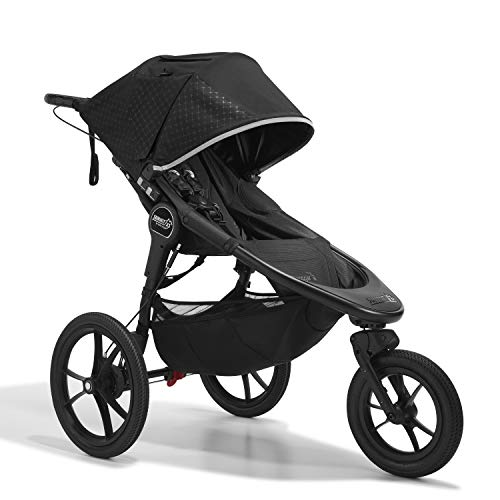 Monitor Your Little One's Wellbeing With a Parent Facing babiie pram
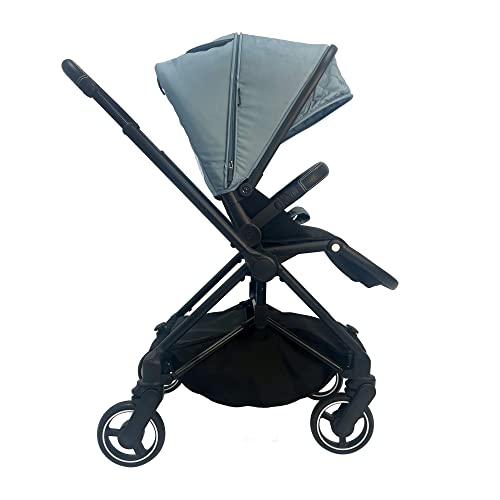 You can easily monitor your child's well-being and comfort while they're in a pram that is positioned with the parent. This is especially helpful when you're out and about out.
University of Dundee study found that babies who were in buggies with faces had more fun and chatted twice as often and had lower heart rates all of which indicate less stress.
Peace of Mind
A parent-facing pram is a great method to ensure your baby's safety is secured. They will be kept in a safe seat which is securely secured with the five-point harness. This will keep them protected from any accidents that may occur when they are out and out and about.
A high-quality pram will also have an enormous shopping basket to take care of all the baby's needs and ensure that you don't need to think about where you can place all of the other things. Having the right accessories is essential to ensure that your baby stay at ease throughout their journeys including a footmuff (check that they're compatible with the 5-point harness) and an extra liner for your pram to shield against the sun or rain.
It is essential to test drive the pushchair before you buy it for your child. Models with swivel-wheels for easy maneuverability and adjustable handlebars will make it simpler for everyone in the family to operate.
A safety harness is essential for parents who are worried about their baby falling out of the buggy. It will stop your baby from getting out of the seat, and it is also a great option to keep them in close proximity in case in the event of an emergency.
It's important to note that some baby experts recommend that babies should be around six months old before using prams with front facing windows, but this is down to individual developmental milestones. Some babies are ready to enter the outside world sooner and this is especially true when their curiosity and desire to discover the world is high.
Parents might be worried that their child will develop a flat spot in the back of their head after spending time in a pram with a parent facing position however this is not something to be concerned about. Auckland osteopath Julia Griffiths says that babies should spend a lot more time lying flat to strengthen their skull muscles. This can be achieved by using a parent-facing carrier and supervised tummytime.
Bonding Enhances
If you've chosen a pram with a carrycot, or are using a pushchair, the direction that your baby faces while out and about is something to consider. It may seem like a minor detail but it has a big impact on your child's development and interaction with you while out and about.
A new study has found that babies who are in buggies facing away are less likely to engage in conversation, laugh or interact with their parents compared with those who have a parent facing pushchair. The study observed 2,722 children and their mothers in 60 towns and an additional study of 20 mothers and their infants. The study revealed that babies who were in a pram that was facing their parents were twice as likely to smile than those who were seated in a buggy facing away. The reason is that when your baby can see you they are more engaged and excited to share their experience with you, encouraging interaction and bonding.
Face-to-face interactions between babies promotes attachment and growth. It also allows you to show them things such as busses, flowers and playgrounds that they might not notice otherwise.
It is crucial to remember that your child must be able sit up independently before you turn it into a pushchair that faces toward the front. Baby's younger than this might struggle to adapt to the change and may feel more anxious as they have to move from an inward to outward position.
The best way to be sure your baby is ready for the transition is to have them tested by a medical professional. They will be able to ensure that your child's muscle and bones are strong enough to handle the change, and also ensure that they haven't developed any over-sensitive areas. This test is especially crucial if your child has been using your pushchair from birth or if you previously used a pram with rear-facing seats. A health professional can also guide you on when it's safe to let your child use an infant pushchair that faces forward.
Better Eye Contact
The ability to make eye-contact with your child is one of the best features of a pram that is facing you. This is particularly important for infants and newborns, as they are still learning about the world around them. It's also a chance for them to talk to them and play with them, which helps them to learn the names of the things they see and boosts their language development.
According to research, children who look at their parents are more likely to smile and talk to them than those who turn away. This is because babies absorb sounds and images from their environment. They are able to comprehend what's happening around them. Eye contact helps parents and babies to communicate. This helps to comfort the infant and allow him to calm down.
It's also recommended to bring along a travel toy for your child while they're in their pushchair. These toys stimulate the mind and can make children smile. They can also help your baby recognise your voice, which is crucial to their development as a cognitive child.
Babies love seeing the world around their world and exploring it. As they grow older and become more active, they may be able to sit in their pushchair. If this is the case, it's worth looking into purchasing a front-facing pushchair or stroller from our range.
A few months after the switch to a front-facing pushchair, it's recommended that you add a footmuff to keep your baby warm and comfortable. Select a style that can be removed and reattached when needed and is compatible with the car seat or Parent Facing Pushchair cot that your baby is using. It's also a good idea to buy an item that is distinctive and can help your baby identify their own pram while out and out and about.
A great way to ensure that your child's posture is correct and comfortable is to check their head and neck alignment on a regular basis. If the front of their pushchair tilts inwards, then their neck and head will be pushed against it which isn't a good idea.
Easier Monitoring
The reassuring sight of your child's face in a pram that is facing you allows you to monitor them better. It is easy to tell if they are snoring, angry, cold or if they wear a hat over their head or their socks has fallen off. Being able to see children in front of you also makes it easier to talk to them since they are able to look at you and hear your voice.
This is important for babies with speech and language problems because it helps them to be more active. It's also a great way to teach your child about the world around them, such as when you point out flowers or busses. You can also sing to them, particularly when you know they love singing!
In fact, many babies enjoy talking to their parents when they are facing, and there are a lot of studies that show that. This study by Dundee University, for example found that babies spoke twice more in a pushchair that was facing forward than those facing rearward. The same study revealed that babies whose faces were not visible to their parents showed more swings in heart rate, which indicated that they felt anxious and stressed. Babies who's faces were visible to their parents, on the other hand were able to have heart rates that were more stable and relaxed.
However this doesn't mean all children should be switched from a rear-facing pram to a front-facing one straight away. In fact, it's often advisable to wait until your child is at least six months old before making this switch. This is when their bones and muscles are developed enough to ensure that the transition is safe for them.
Many parents place their children in a stroller facing the parent until the time comes. There are excellent strollers and pushchairs out available that allow you to switch between two directions to keep your baby or toddler in the same direction for the time you need. Be sure to verify the compatibility of your pram or buggy with the car seat you're planning to use, as the compatibility can vary among models.