
Multi Fuel Boiler Stove Explained In Fewer Than 140 Characters
페이지 정보
작성자 Gilbert 댓글 0건 조회 25회 작성일 24-05-19 12:20본문
Multi Fuel Boiler Stove
Multi fuel boiler stoves are made to burn a variety of wood, smokeless fuel and coal. They can be 'linked' to your current heating system to reduce costs.
When burning coal, the grate has to be de-ashed to allow air to reach the fire from below. Certain multi-fuel stoves come with asphans and riddling grates to make this process easier.
Energy Efficiency
A multi-fuel stove can burn a variety of different types of solid fuels, including peat and turf briquettes, smokeless coal and anthracite. They can also burn logs. They are more adaptable than wood-burning stoves because they can be used with a range of fuels.
Modern Ecodesign stoves that are compliant have an overall efficiency of around 80% plus. They can assist in meeting the SAP energy requirements by producing low CO2 emissions. In the UK most homes use a wood-burning multifuel stove to warm the living space and central heating systems as the primary source of heating. This is typically supplemented by a secondary form of heating such as convection or air heating water stove.
The overall efficiency of a stove is crucial because it is a reflection of the amount of heat that is delivered to the house. It should not be confused with the stove's efficiency in combustion which is visible on the side. The combustion efficiency is a measure of how efficient a stove is in a laboratory test. It is not a reflection of the efficiency of the entire system of stove, fuel and chimney.
Stove makers often refer to combustion efficiency, but not System Efficiency on their marketing materials but this is not true. Instead of being a measurement of how well the stove did in a laboratory test System Efficiency is a calculation of the energy-based total emissivities (TE) from the fuel and the stove when it is installed and used in a home.
 It should be noted that the TE of the specific combination of fuel and stove is determined by the volatile matter content of the solid fuel as it will determine whether particulate-bound pollutants (e.g. The PM2.5, EC, and BaPeq pollutants ) are released by the fuel during ignition or retained at the pyrolysis phase. When volatile matter is retained during the pyrolysis stage it releases carbonaceous aerosols that are not effectively bound and thus contribute to total emissivities.
Low Maintenance
Non-catalytic stoves need less maintenance and are easier to use than catalytic stoves. These models are less expensive and use a pre-heated combustion air system to enhance the performance of the stove. These models can burn a variety of solid fuels like smokeless coal and have a primary air control which allows you to regulate the rate at which the fire is burning. This allows you to create a more efficient fire with better flame distribution and less emissions.
You will need to refill your stove every 10-14 hours, based on how you use it. You'll also have to empty the ash pan frequently. If you're using smokeless coal, this needs particular attention as the ash needs to be removed to prevent blocking the combustion air passages and starving the fuel of oxygen. This can be done using the tool that looks like the shape of a pitchfork.
BTU ratings, which measure the amount of heat needed to boil a liter of water, are a good indication of how powerful a multi fuel boiler stove is. However, they shouldn't be the only spec you look at when making comparisons between models. Other factors such as the size of the burner and weight can have just as significant an impact on overall performance.
Modern multi-fuel stoves are able to use various liquid fuels, including white gas, kerosene, and isobutane. This flexibility makes them perfect for backpacking trips, especially in remote areas where canister fuel might not be available.
Liquid-fuel multifuel stoves are usually manually-pressurized and typically come with a regulator to help you determine the amount of fuel being utilized. They're also more efficient than stoves that operate on canister fuel, and excel at high elevations and in cold temperatures.
Some multi fuel stoves can even be combined with wood, allowing you to become self-sufficient and less dependent on fuel purchased. It is important to note that using a multi-fuel stove with wood could result in more harmful emissions and is not recommended unless you've taken the proper precautions in place.
Thermostat Control
A boiler stove is an excellent choice when it comes to multi-fuel stoves for those who need the stove to heat both their home and water. The boiler stove can do this by heating the hot water tank within the stove itself, or it could be connected to a conventional central heating oil or gas system to help supplement its energy output. These kinds of stoves can also be used in smoke-controlled areas because they can burn a variety solid fuels.
Modern stoves feature thermostat controls that let the user adjust the amount that is burned. This controls the amount of heat produced. This feature can help save money by making sure that as much heat as is possible is generated for each item of fuel utilized.
Boiler stoves work with a variety of fuel types including wood, peat, and smokeless coal. Coal produces significantly more heat than wood, which is the reason the majority of multifuel stoves are designed to let you choose between a variety of fuel options in the making of a fire. This is because different fuels require an airflow that is slightly different to burn effectively.
Smokeless coal, for instance, requires combustion air to flow through. Most multi-fuel stoves have an open or partly riddling grate that is open and allows this air to pass. The grate should be cleaned often to avoid the accumulation of ash, which can stop the flow of air and cause the fire to die.
All multifuel stoves (https://milton-web.wnyric.org/canit/urlproxy.php?_q=aHR0cHM6Ly9hcmNoaXd1bS5lZHUucGwvZGxpYnJhL2xvZ2LuP3JlZlVybD1hSFIwY0hNNkx5OTNkM2N1Wm1seVpYQnNZV05sYzJGdVpITjBiM1psTG1OdmJTOXdjbTlrZFdOMGN5ODFhM2N0WldOdkxXUmxjMmxuYmkxemRHOTJaUzF0ZFd4MGFXWjFaV3d0WTJGemRDMXBjbTl1TFdacGNtVndiR0ZqWlE&_s=YnVmZmFsbw==&_c=6fe4df1f), regardless of whether they are a boiler stove or not, multifuel Stoves are capable of transferring a portion of their heat into the domestic hot water tank. The amount of hot water that can be provided by a stove is contingent on the model, but generally they are capable of supplying up to 8 standard-sized radiators. Some models, such as the Stovax View 8, are capable of achieving this feat with a stunning heat output of up to 4.9kW for the room and 8.2kW to the boiler, which is enough to heat most typical domestic sized radiators inside a house.
Smoke-Controlled Areas: Suitable for this product
The capability to burn a variety of smokeless fuels makes a multi-fuel stove an excellent choice for those living in Smoke Control Areas. You can save time and money by not having to carry or store logs or briquettes which aren't always readily available. Multi-fuel stoves look more modern than their open fire equivalents and come in a variety of sizes that can be tailored to homes with different interior design schemes.
These types of stoves are called DEFRA Approved or exempt solid fuel appliances. They are tested to ensure that they meet strict emission limits, especially when burning'smokeless' fuels. They are a great choice if you live in an urban area where there is a high concentration of smoke-producing structures, since they will help to limit the amount of black smoke produced by your heating system.
 A DEFRA-approved stove can be used to burn a variety of solid fuels, including anthracite and smokeless Briquettes. Some fuels cannot be burned in any way, and it's illegal to use them unless you have a certificate of smoke control.
Based on the model, this kind of stove is able to be adapted for gas or oil-sealed heating systems, or even underfloor heat. Based on the model, they might also be able to be 'linked' to solar panels or renewable energy sources.
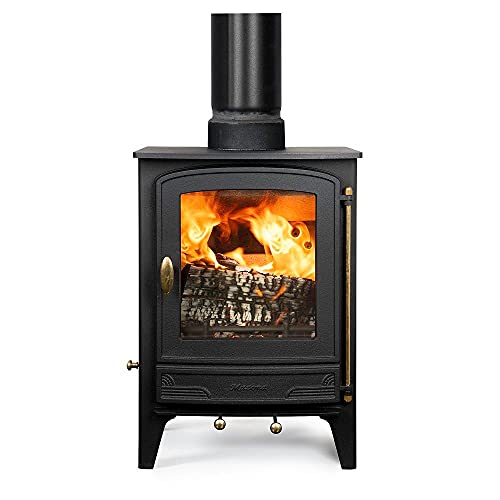
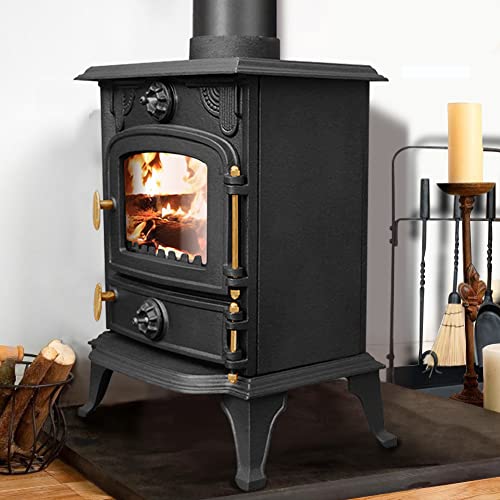
A multi-fuel boiler stove is usually fitted with windows that allow you to see the fire and the flue through which combustion gases are drawn out and expelled from the appliance. It will also have a fire grate where you can place your fuel on and the primary air supply to the flames is controlled by an adjustable slider positioned at the bottom of the stove's door. Some models feature an additional air flow system that introduces pre-heated secondary air or tertiary into the combustion chamber above the fuelbed. This reduces emissions by burning off any unburnt hydrocarbons within the smoke before it vents upwards into the chimney system.
Multi fuel boiler stoves are made to burn a variety of wood, smokeless fuel and coal. They can be 'linked' to your current heating system to reduce costs.
When burning coal, the grate has to be de-ashed to allow air to reach the fire from below. Certain multi-fuel stoves come with asphans and riddling grates to make this process easier.
Energy Efficiency
A multi-fuel stove can burn a variety of different types of solid fuels, including peat and turf briquettes, smokeless coal and anthracite. They can also burn logs. They are more adaptable than wood-burning stoves because they can be used with a range of fuels.
Modern Ecodesign stoves that are compliant have an overall efficiency of around 80% plus. They can assist in meeting the SAP energy requirements by producing low CO2 emissions. In the UK most homes use a wood-burning multifuel stove to warm the living space and central heating systems as the primary source of heating. This is typically supplemented by a secondary form of heating such as convection or air heating water stove.
The overall efficiency of a stove is crucial because it is a reflection of the amount of heat that is delivered to the house. It should not be confused with the stove's efficiency in combustion which is visible on the side. The combustion efficiency is a measure of how efficient a stove is in a laboratory test. It is not a reflection of the efficiency of the entire system of stove, fuel and chimney.
Stove makers often refer to combustion efficiency, but not System Efficiency on their marketing materials but this is not true. Instead of being a measurement of how well the stove did in a laboratory test System Efficiency is a calculation of the energy-based total emissivities (TE) from the fuel and the stove when it is installed and used in a home.
It should be noted that the TE of the specific combination of fuel and stove is determined by the volatile matter content of the solid fuel as it will determine whether particulate-bound pollutants (e.g. The PM2.5, EC, and BaPeq pollutants ) are released by the fuel during ignition or retained at the pyrolysis phase. When volatile matter is retained during the pyrolysis stage it releases carbonaceous aerosols that are not effectively bound and thus contribute to total emissivities.Low Maintenance
Non-catalytic stoves need less maintenance and are easier to use than catalytic stoves. These models are less expensive and use a pre-heated combustion air system to enhance the performance of the stove. These models can burn a variety of solid fuels like smokeless coal and have a primary air control which allows you to regulate the rate at which the fire is burning. This allows you to create a more efficient fire with better flame distribution and less emissions.
You will need to refill your stove every 10-14 hours, based on how you use it. You'll also have to empty the ash pan frequently. If you're using smokeless coal, this needs particular attention as the ash needs to be removed to prevent blocking the combustion air passages and starving the fuel of oxygen. This can be done using the tool that looks like the shape of a pitchfork.
BTU ratings, which measure the amount of heat needed to boil a liter of water, are a good indication of how powerful a multi fuel boiler stove is. However, they shouldn't be the only spec you look at when making comparisons between models. Other factors such as the size of the burner and weight can have just as significant an impact on overall performance.
Modern multi-fuel stoves are able to use various liquid fuels, including white gas, kerosene, and isobutane. This flexibility makes them perfect for backpacking trips, especially in remote areas where canister fuel might not be available.
Liquid-fuel multifuel stoves are usually manually-pressurized and typically come with a regulator to help you determine the amount of fuel being utilized. They're also more efficient than stoves that operate on canister fuel, and excel at high elevations and in cold temperatures.
Some multi fuel stoves can even be combined with wood, allowing you to become self-sufficient and less dependent on fuel purchased. It is important to note that using a multi-fuel stove with wood could result in more harmful emissions and is not recommended unless you've taken the proper precautions in place.
Thermostat Control
A boiler stove is an excellent choice when it comes to multi-fuel stoves for those who need the stove to heat both their home and water. The boiler stove can do this by heating the hot water tank within the stove itself, or it could be connected to a conventional central heating oil or gas system to help supplement its energy output. These kinds of stoves can also be used in smoke-controlled areas because they can burn a variety solid fuels.
Modern stoves feature thermostat controls that let the user adjust the amount that is burned. This controls the amount of heat produced. This feature can help save money by making sure that as much heat as is possible is generated for each item of fuel utilized.
Boiler stoves work with a variety of fuel types including wood, peat, and smokeless coal. Coal produces significantly more heat than wood, which is the reason the majority of multifuel stoves are designed to let you choose between a variety of fuel options in the making of a fire. This is because different fuels require an airflow that is slightly different to burn effectively.
Smokeless coal, for instance, requires combustion air to flow through. Most multi-fuel stoves have an open or partly riddling grate that is open and allows this air to pass. The grate should be cleaned often to avoid the accumulation of ash, which can stop the flow of air and cause the fire to die.
All multifuel stoves (https://milton-web.wnyric.org/canit/urlproxy.php?_q=aHR0cHM6Ly9hcmNoaXd1bS5lZHUucGwvZGxpYnJhL2xvZ2LuP3JlZlVybD1hSFIwY0hNNkx5OTNkM2N1Wm1seVpYQnNZV05sYzJGdVpITjBiM1psTG1OdmJTOXdjbTlrZFdOMGN5ODFhM2N0WldOdkxXUmxjMmxuYmkxemRHOTJaUzF0ZFd4MGFXWjFaV3d0WTJGemRDMXBjbTl1TFdacGNtVndiR0ZqWlE&_s=YnVmZmFsbw==&_c=6fe4df1f), regardless of whether they are a boiler stove or not, multifuel Stoves are capable of transferring a portion of their heat into the domestic hot water tank. The amount of hot water that can be provided by a stove is contingent on the model, but generally they are capable of supplying up to 8 standard-sized radiators. Some models, such as the Stovax View 8, are capable of achieving this feat with a stunning heat output of up to 4.9kW for the room and 8.2kW to the boiler, which is enough to heat most typical domestic sized radiators inside a house.
Smoke-Controlled Areas: Suitable for this product
The capability to burn a variety of smokeless fuels makes a multi-fuel stove an excellent choice for those living in Smoke Control Areas. You can save time and money by not having to carry or store logs or briquettes which aren't always readily available. Multi-fuel stoves look more modern than their open fire equivalents and come in a variety of sizes that can be tailored to homes with different interior design schemes.
These types of stoves are called DEFRA Approved or exempt solid fuel appliances. They are tested to ensure that they meet strict emission limits, especially when burning'smokeless' fuels. They are a great choice if you live in an urban area where there is a high concentration of smoke-producing structures, since they will help to limit the amount of black smoke produced by your heating system.
A DEFRA-approved stove can be used to burn a variety of solid fuels, including anthracite and smokeless Briquettes. Some fuels cannot be burned in any way, and it's illegal to use them unless you have a certificate of smoke control.Based on the model, this kind of stove is able to be adapted for gas or oil-sealed heating systems, or even underfloor heat. Based on the model, they might also be able to be 'linked' to solar panels or renewable energy sources.
A multi-fuel boiler stove is usually fitted with windows that allow you to see the fire and the flue through which combustion gases are drawn out and expelled from the appliance. It will also have a fire grate where you can place your fuel on and the primary air supply to the flames is controlled by an adjustable slider positioned at the bottom of the stove's door. Some models feature an additional air flow system that introduces pre-heated secondary air or tertiary into the combustion chamber above the fuelbed. This reduces emissions by burning off any unburnt hydrocarbons within the smoke before it vents upwards into the chimney system.