
You'll Never Guess This Heatpump Dryer's Tricks
페이지 정보
작성자 Abby Thibodeaux 댓글 0건 조회 29회 작성일 24-05-19 08:08본문
How to Properly Use a Heatpump Dryer
The dryers that use heat make use of electricity to move the water from the fabric into the compressor. The moisture is then dehumidified and reheated in the cycle creating a low-temperature drying process.
ENERGY STAR offers several heat pump dryers with a 4 cubic-foot capacity that are smaller than the traditional American standard-sized models (which typically have a capacity of 7 cubic feet). The smaller sizes are less bulky and could qualify for rebates in some states.
Energy Efficiency
Energy efficiency is an important aspect of the heatpump dryer. It makes use of the energy of ambient air to dry clothes, and it doesn't produce exhaust or waste heat like conventional dryers do. This means that heatpump dryers can save homeowners up to $600 in energy costs over the lifetime of the appliance. Utilizing renewable resources also makes them less environmentally damaging than traditional dryers.
The energy efficiency of a heatpump dryer is determined by the COP (coefficient of performance) of the system, Heatpump Dryer which is the ratio of its cooling capacity to the power consumption. The higher the COP, the more efficient the heatpump. This is why heatpump dryers have a much lower kilowatts consumed per hour than regular dryers.
The low temperature of the heat pump dryer can reduce the drying time as well as the energy consumption. This is because the dehumidification capacity of the system is increased. Jia et al. (1993) evaluated the combination heat pump and microwave dryer with an a thermosyphon loop to test low temperature grain. They discovered that it consumed less than 2.1 J per kilogram of water removed.
Heat pumps can be employed in combination with other drying methods to increase energy efficiency. For instance atmospheric freezing could be coupled with a heating pump to produce an efficient process over vacuum freezing and to produce products similar to those created by vacuum freeze-drying (Bantle and co. 2009).
While the initial investment of a heatpump dryer may be greater than a standard dryer, many rebate programs offer incentives to purchasing these devices. For instance, the IRA's Energy Star program provides rebates to households who have reduced their energy consumption throughout the home by 35 percent or more. This helps make the upfront cost of a heatpump dryer affordable for families with smaller budgets.
If you are seeking the highest efficiency in energy use, a heatpump dryer is an excellent alternative. It is estimated that the heatpump dryer could reduce energy consumption by up to 40% when compared with traditional dryers, making it one of most efficient methods to dry clothes at home.
Convenience
These dryers, which are relatively new in the United States are gaining popularity because of their energy efficiency and climate benefits. They are also gentler on clothes since they utilize lower temperatures to dry them and moisture sensors help prevent overheating. These features can help reduce shrinkage and damage to clothing making them more economical than traditional electric dryers.
The closed-loop system dryers using heat pumps use to capture moisture and reuse air is what differentiates them from conventional models. Instead of heating and dumping hot air and moisture into the environment through exhaust vents, they employ refrigerant and compressor to continuously recycle the same air and capture excess moisture.
This is similar to a refrigerator, but the compressor heats the air, and moves it to an evaporator coil that is cold where the water vapor is condensed into the pan. Then, the dry air is recirculated in the drum, and the excess moisture is sent to a drain pan. The hose that drains condensation is connected to the sewer line of your home, thus not needing a vent.
Heat pump dryers reduce energy costs and are quieter. Some models also come with noise-dissipation technologies to make your life easier. They are also less maintenance-intensive than conventional dryers. They are made of fewer components, and are less likely to break because they don't need a vent. They also don't require a gas line as vented dryers, which can be expensive to replace or repair.
The only disadvantage to the convenience is that heat pump dryers tend to take longer to dry than traditional models. This is due to the fact that they use lower temperatures and may need to run several times to get the laundry completely dry. This can be compensated by reducing energy consumption or using energy-efficient modes.
The Miele T1 heat-pump dryer, for instance, can save up to 60% of energy consumption, and is more quiet due to the vibration reduction system. It also has smart functionality like EcoDry and PerfectDry that analyze the calcium content of your water to prevent clogs and ensure consistent and safe drying. The dryer is WiFI-compatible and can be controlled remotely via a smartphone application.
Installation Ease
A heat pump dryer makes use of an exclusive compressor to transfer heat from the air to the laundry. It also doesn't need vents, which means it can be put in practically everywhere within your home. This makes it an excellent option for tiny homes and accessory dwelling units (e.g. an apartment above the garage) and even additions. You can stack the heat pump dryer on top of an washer to reduce space.
This type of dryer has the main disadvantage that it takes more time than vented dryers to dry loads. It is less energy-intensive, and it doesn't produce any unpleasant odors. It can also help reduce the amount of clothes you wash and keep your clothes fresher for longer.
Heat pump dryers are available in small sizes which are easy to install even in tight space. If you're looking for a spacious model, look for an ENERGY STAR certified heat pump dryer with a larger drum. There are also heat pump dryers equipped with an infrared heater that accelerates drying by heating the fabric and clothes directly.
The first step in installing a heat-pump dryer is to prepare the intended installation area. To ensure adequate airflow, clear any obstructions from the area and make sure to block off the area around the dryer. Next, locate and prep the power outlet, making sure it is exclusively for this appliance. Make sure that the amps and voltage are identical to what is stated in your user manual. Connect the dryer to an electrical outlet and run a brief test cycle. Finally, clean the lint filter after each use and regularly check and clean the exhaust hose to avoid blockages and maintain the performance.
In order to get the most out of your heat pump dryer, be sure that you follow the guidelines of the manufacturer for the size of the load and temperature settings. This will enable your machine's energy consumption to be minimized and it will run more efficiently. To ensure that everything is operating properly, it's important to schedule an annual maintenance appointment with a trained technician. They can also inspect your ductwork for any obstructions or damages that may be affecting efficiency.
Maintenance
Heating pump dryers can be a useful addition to your home when used correctly. To ensure that they are operating properly and efficiently throughout the year they require regular maintenance, cleaning and checkups. These tips will help you prolong the life of your dryer, decrease energy consumption and save money.
One of the most important maintenance requirements is to keep the lint filter and condenser drain clear of obstructions. To prevent clogging and reduced performance, the lint filter should be cleaned after each use. Make sure to check the vent hose frequently for blockages or kinks. A blocked vent can result in increased drying times and is a significant fire risk. You must untie and clean the vent hose frequently by using a dryer lint remover or the attachment for a vacuum cleaner to ensure it is thoroughly cleaned, eliminating any traces of lint or debris.
Cleaning the heat exchanger regularly is also vital. This component transfers heat from the air to the clothes, and it can become clogged with lint over time, which decreases efficiency and results in shorter cycles. You can use the dryer's manual for the user to get specific instructions on how to clean and access the heat exchanger. After cleaning the heat exchanger, be sure to wash and dry it completely prior to placing it back in your dryer.
Install the dryer in an area that is well ventilated, away from walls and other obstructions. This will ensure that the dryer is properly ventilated and avoids overheating.
Additionally, you should frequently clean the dryer exterior and drum. This helps to prevent staining and keeps the interior of the dryer free of dust, dirt, and dirt. Use a damp cloth and mild detergent to clean the surface of the dryer. Avoid abrasive cleaners that can harm the finish.
In addition to these maintenance tips it is recommended you seek professional maintenance and service for your heat pump dryer at least once per year. A professional can examine and clean the internal parts of your dryer to ensure they are in good working order.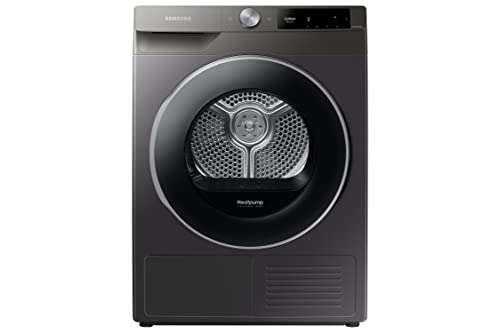
The dryers that use heat make use of electricity to move the water from the fabric into the compressor. The moisture is then dehumidified and reheated in the cycle creating a low-temperature drying process.
ENERGY STAR offers several heat pump dryers with a 4 cubic-foot capacity that are smaller than the traditional American standard-sized models (which typically have a capacity of 7 cubic feet). The smaller sizes are less bulky and could qualify for rebates in some states.
Energy Efficiency
Energy efficiency is an important aspect of the heatpump dryer. It makes use of the energy of ambient air to dry clothes, and it doesn't produce exhaust or waste heat like conventional dryers do. This means that heatpump dryers can save homeowners up to $600 in energy costs over the lifetime of the appliance. Utilizing renewable resources also makes them less environmentally damaging than traditional dryers.
The energy efficiency of a heatpump dryer is determined by the COP (coefficient of performance) of the system, Heatpump Dryer which is the ratio of its cooling capacity to the power consumption. The higher the COP, the more efficient the heatpump. This is why heatpump dryers have a much lower kilowatts consumed per hour than regular dryers.
The low temperature of the heat pump dryer can reduce the drying time as well as the energy consumption. This is because the dehumidification capacity of the system is increased. Jia et al. (1993) evaluated the combination heat pump and microwave dryer with an a thermosyphon loop to test low temperature grain. They discovered that it consumed less than 2.1 J per kilogram of water removed.
Heat pumps can be employed in combination with other drying methods to increase energy efficiency. For instance atmospheric freezing could be coupled with a heating pump to produce an efficient process over vacuum freezing and to produce products similar to those created by vacuum freeze-drying (Bantle and co. 2009).
While the initial investment of a heatpump dryer may be greater than a standard dryer, many rebate programs offer incentives to purchasing these devices. For instance, the IRA's Energy Star program provides rebates to households who have reduced their energy consumption throughout the home by 35 percent or more. This helps make the upfront cost of a heatpump dryer affordable for families with smaller budgets.
If you are seeking the highest efficiency in energy use, a heatpump dryer is an excellent alternative. It is estimated that the heatpump dryer could reduce energy consumption by up to 40% when compared with traditional dryers, making it one of most efficient methods to dry clothes at home.
Convenience
These dryers, which are relatively new in the United States are gaining popularity because of their energy efficiency and climate benefits. They are also gentler on clothes since they utilize lower temperatures to dry them and moisture sensors help prevent overheating. These features can help reduce shrinkage and damage to clothing making them more economical than traditional electric dryers.
The closed-loop system dryers using heat pumps use to capture moisture and reuse air is what differentiates them from conventional models. Instead of heating and dumping hot air and moisture into the environment through exhaust vents, they employ refrigerant and compressor to continuously recycle the same air and capture excess moisture.
This is similar to a refrigerator, but the compressor heats the air, and moves it to an evaporator coil that is cold where the water vapor is condensed into the pan. Then, the dry air is recirculated in the drum, and the excess moisture is sent to a drain pan. The hose that drains condensation is connected to the sewer line of your home, thus not needing a vent.
Heat pump dryers reduce energy costs and are quieter. Some models also come with noise-dissipation technologies to make your life easier. They are also less maintenance-intensive than conventional dryers. They are made of fewer components, and are less likely to break because they don't need a vent. They also don't require a gas line as vented dryers, which can be expensive to replace or repair.
The only disadvantage to the convenience is that heat pump dryers tend to take longer to dry than traditional models. This is due to the fact that they use lower temperatures and may need to run several times to get the laundry completely dry. This can be compensated by reducing energy consumption or using energy-efficient modes.
The Miele T1 heat-pump dryer, for instance, can save up to 60% of energy consumption, and is more quiet due to the vibration reduction system. It also has smart functionality like EcoDry and PerfectDry that analyze the calcium content of your water to prevent clogs and ensure consistent and safe drying. The dryer is WiFI-compatible and can be controlled remotely via a smartphone application.
Installation Ease
A heat pump dryer makes use of an exclusive compressor to transfer heat from the air to the laundry. It also doesn't need vents, which means it can be put in practically everywhere within your home. This makes it an excellent option for tiny homes and accessory dwelling units (e.g. an apartment above the garage) and even additions. You can stack the heat pump dryer on top of an washer to reduce space.
This type of dryer has the main disadvantage that it takes more time than vented dryers to dry loads. It is less energy-intensive, and it doesn't produce any unpleasant odors. It can also help reduce the amount of clothes you wash and keep your clothes fresher for longer.
Heat pump dryers are available in small sizes which are easy to install even in tight space. If you're looking for a spacious model, look for an ENERGY STAR certified heat pump dryer with a larger drum. There are also heat pump dryers equipped with an infrared heater that accelerates drying by heating the fabric and clothes directly.
The first step in installing a heat-pump dryer is to prepare the intended installation area. To ensure adequate airflow, clear any obstructions from the area and make sure to block off the area around the dryer. Next, locate and prep the power outlet, making sure it is exclusively for this appliance. Make sure that the amps and voltage are identical to what is stated in your user manual. Connect the dryer to an electrical outlet and run a brief test cycle. Finally, clean the lint filter after each use and regularly check and clean the exhaust hose to avoid blockages and maintain the performance.
In order to get the most out of your heat pump dryer, be sure that you follow the guidelines of the manufacturer for the size of the load and temperature settings. This will enable your machine's energy consumption to be minimized and it will run more efficiently. To ensure that everything is operating properly, it's important to schedule an annual maintenance appointment with a trained technician. They can also inspect your ductwork for any obstructions or damages that may be affecting efficiency.
Maintenance
Heating pump dryers can be a useful addition to your home when used correctly. To ensure that they are operating properly and efficiently throughout the year they require regular maintenance, cleaning and checkups. These tips will help you prolong the life of your dryer, decrease energy consumption and save money.
One of the most important maintenance requirements is to keep the lint filter and condenser drain clear of obstructions. To prevent clogging and reduced performance, the lint filter should be cleaned after each use. Make sure to check the vent hose frequently for blockages or kinks. A blocked vent can result in increased drying times and is a significant fire risk. You must untie and clean the vent hose frequently by using a dryer lint remover or the attachment for a vacuum cleaner to ensure it is thoroughly cleaned, eliminating any traces of lint or debris.
Cleaning the heat exchanger regularly is also vital. This component transfers heat from the air to the clothes, and it can become clogged with lint over time, which decreases efficiency and results in shorter cycles. You can use the dryer's manual for the user to get specific instructions on how to clean and access the heat exchanger. After cleaning the heat exchanger, be sure to wash and dry it completely prior to placing it back in your dryer.
Install the dryer in an area that is well ventilated, away from walls and other obstructions. This will ensure that the dryer is properly ventilated and avoids overheating.
Additionally, you should frequently clean the dryer exterior and drum. This helps to prevent staining and keeps the interior of the dryer free of dust, dirt, and dirt. Use a damp cloth and mild detergent to clean the surface of the dryer. Avoid abrasive cleaners that can harm the finish.
In addition to these maintenance tips it is recommended you seek professional maintenance and service for your heat pump dryer at least once per year. A professional can examine and clean the internal parts of your dryer to ensure they are in good working order.