
Guide To Multi Fuel Boiler Stove: The Intermediate Guide Towards Multi…
페이지 정보
작성자 Ebony Funkhouse… 댓글 0건 조회 29회 작성일 24-05-18 13:27본문
Multi Fuel Boiler Stove
Multi fuel boiler stoves are designed to burn a range of fuels including smokeless fuel, logs and coal. They can be linked to your heating system to reduce costs.
 The grate should be removed during the burning process to allow air from below to enter the fire. Some multi-fuel stoves have riddling grates and asphans to make this process easier.
Energy Efficiency
A multi fuel stove can burn a range of different kinds of solid fuels, including peat and turf briquettes, smokeless coal and anthracite. They can also burn logs. They are more versatile than stoves that burn wood because they can be used with a range of fuels.
Modern Ecodesign-compliant stoves are rated at an 80% or higher overall efficiency. They can help meet the SAP energy requirements by producing low CO2 emissions. In the UK most homes use a wood-burning multifuel stove to warm the living area and a central heating system as the primary source of heating. This is usually supplemented by a secondary type of heating such as convection or air hot water stove.
The efficiency of the stove is important, as it reflects how much heat is delivered to your home. It is not to be confused with the stove's combustion efficiency that is displayed on the side. The combustion efficiency is related to how efficient the stove was in an experiment in the laboratory. It does not reflect the efficiency of the whole system of stove, chimney and fuel and is not comparable to System Efficiency which is the number that should be used.
Stove manufacturers frequently refer to combustion efficiency and not System Efficiency in their marketing materials - this is misleading. Instead of being a measurement of how well the stove performed in a lab test, System Efficiency is a measure of the energy-based total emissivities (TE) from the fuel and the stove when it is installed and used in a household.
It is important to remember that the TE of a particular combination of fuel-stove is dependent on the volatile matter content of the solid fuel since it will determine whether particulate-bound pollutants (e.g. PM2.5, EC and BaPeq) are emitted during the ignition of the fuel or if they are retained during the pyrolysis stage. If the volatile matter remains in the pyrolysis phase, it releases carbonaceous particles that aren't bound effectively and contribute to the total emissivities.
Low Maintenance
Contrary to catalytic stoves, which need to be constantly monitored Non-catalytic multi-fuel stoves are designed to be simple to operate and require only minimal maintenance. These stoves are less expensive and multi fuel boiler stove utilize a preheated combustion system to improve performance. They can be used to burn a range of solid fuels including smokeless coal. They also come with an adjustable primary air control that permits you to control the rate at which the fire is burning. This allows you to create an efficient and effective fire with more flame distribution and lower emissions.
You'll need to refill your stove every 10-14 hours, depending on the way you use it. You will also need to empty the ash pan regularly. If you are using smokeless coal, then the ash should be riddled in order to keep it from blocking the air passages for combustion and thereby denying the fuel oxygen. This can be done with a tool that looks like the shape of a pitchfork.
BTU ratings, which are the amount of heat required to boil one liter of water is a good indicator of how strong a multi fuel boiler stove is. They shouldn't, however, be the only specifications you consider when comparing different models. Other aspects, such as burner size and weight, could have a similar effect on performance.
Modern multi fuel stoves can be used with a wide range of liquid fuels, including white gas, isobutane and Kerosene. This flexibility makes them perfect for backpacking, especially in remote areas where canister fuel might not be readily available.
Multi-fuel liquid-fuel stoves typically come with a regulator that lets you manage the amount of fuel you use. They're also more efficient than stoves that operate on canister fuel, and are able to perform well at higher elevations and in cold temperatures.
Some multi-fuel stoves are able to be used with wood. This allows you to be more independent, reducing the need to purchase fuel. However, it's important to remember that using a multi-fuel stove that uses wood can result in more harmful emissions, and isn't recommended unless you take the proper precautions in place.
Thermostat Control
When it comes to multi-fuel stoves one of the most popular is a boiler stove. It's an excellent option for those who want the stove to heat their water and their living space. The boiler stove can accomplish this by heating the hot water tank inside the stove itself, or it may be connected to a conventional central heating oil or gas system to boost its heat output. These stoves can also be used in smoke-controlled areas because they can burn a variety of solid fuels.
Modern stoves come with thermostat controls which allow the user to alter the amount burned. This controls the amount of heat produced. This feature can help to save money by making sure that the maximum amount of heat is being generated for every item of fuel that is used.
Boiler stoves can be used with a range of different fuel types, including wood, peat and smokeless coal. Most cast iron multifuel stove stoves allow you to choose between different types of fuels when you are making a fire. This is because different fuels require an airflow that is slightly different to burn effectively.
Smokeless coal for example, requires combustion air from below, and the majority of multi fuel stoves have an open or partially open riddling grate that can let air flow through. The grate must be regularly cleaned to avoid the accumulation of ash, which could cause the fire to die.
All cast iron multifuel stove stoves can supply some of the heat they generate into a domestic water heater, regardless of whether they are boiler stoves or not. The amount of hot water a stove can offer will differ depending on the model. However, generally they are able to power up to eight standard-sized radiators. Some models, like the Stovax View 8 are able to achieve this feat with the capacity of 4.9kW for the room and 8.2kW for the boiler. This is enough to power the majority of domestic radiators.
It is suitable for Smoke-Controlled Areas
Multi fuel stoves are an excellent choice for those living in areas with smoke control since they can be used to burn a variety of non-smoking fuels. You can save time and money by not needing to carry or store briquettes or logs that aren't always available. These stoves that are multi-fuel are more contemporary than open-fire stoves and have a wider range of sizes that will suit homes with different designs for interiors.
These stoves are DEFRA approved or exempted solid fuel appliance and are tested for strict emission limits. This is particularly applicable when burning "smokeless" fuels. These stoves are ideal if you live in a city with a lot of smoke-producing structures. They can reduce the amount of black smoke produced by your heating system.
A DEFRA approved stove can be used with a wide variety of solid fuels, including smokeless briquettes and anthracite. However, some types of fuel are not able to be burned at all and it is illegal to burn certain fuels without the possession of a smoke control exemption certificate.
This type of stove can be adapted to work with oil and gas sealed heating systems, as well as underfloor heating, based on the model you choose. Based on the model, they may also be able to be 'linked' to solar panels or renewable energy sources.
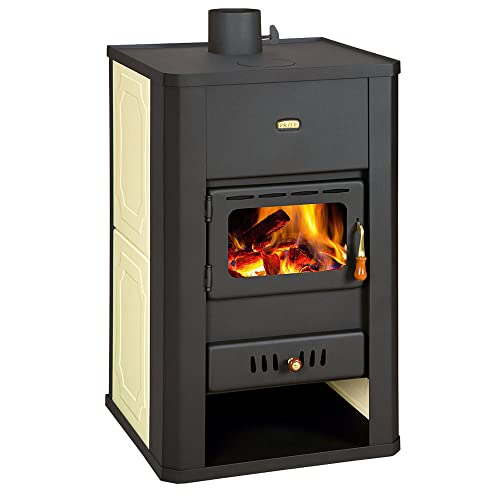
A multi-fuel boiler stove has a window through which you can see the fire and the flue that draws and releases combustion gases from the appliance. The stove may also have the fire grate, on which you can place fuel. The primary air supply is controlled by a movable slider on the lower portion of the stove's door. Certain models also come with secondary or tertiary flow system that allows the pre-heated air from the secondary or tertiary into the combustion chamber at a height above the fuelbed. This helps reduce emissions by burning off any unburnt hydrocarbons within the smoke prior to it venting upwards into the chimney system.
Multi fuel boiler stoves are designed to burn a range of fuels including smokeless fuel, logs and coal. They can be linked to your heating system to reduce costs.
The grate should be removed during the burning process to allow air from below to enter the fire. Some multi-fuel stoves have riddling grates and asphans to make this process easier.Energy Efficiency
A multi fuel stove can burn a range of different kinds of solid fuels, including peat and turf briquettes, smokeless coal and anthracite. They can also burn logs. They are more versatile than stoves that burn wood because they can be used with a range of fuels.
Modern Ecodesign-compliant stoves are rated at an 80% or higher overall efficiency. They can help meet the SAP energy requirements by producing low CO2 emissions. In the UK most homes use a wood-burning multifuel stove to warm the living area and a central heating system as the primary source of heating. This is usually supplemented by a secondary type of heating such as convection or air hot water stove.
The efficiency of the stove is important, as it reflects how much heat is delivered to your home. It is not to be confused with the stove's combustion efficiency that is displayed on the side. The combustion efficiency is related to how efficient the stove was in an experiment in the laboratory. It does not reflect the efficiency of the whole system of stove, chimney and fuel and is not comparable to System Efficiency which is the number that should be used.
Stove manufacturers frequently refer to combustion efficiency and not System Efficiency in their marketing materials - this is misleading. Instead of being a measurement of how well the stove performed in a lab test, System Efficiency is a measure of the energy-based total emissivities (TE) from the fuel and the stove when it is installed and used in a household.
It is important to remember that the TE of a particular combination of fuel-stove is dependent on the volatile matter content of the solid fuel since it will determine whether particulate-bound pollutants (e.g. PM2.5, EC and BaPeq) are emitted during the ignition of the fuel or if they are retained during the pyrolysis stage. If the volatile matter remains in the pyrolysis phase, it releases carbonaceous particles that aren't bound effectively and contribute to the total emissivities.
Low Maintenance
Contrary to catalytic stoves, which need to be constantly monitored Non-catalytic multi-fuel stoves are designed to be simple to operate and require only minimal maintenance. These stoves are less expensive and multi fuel boiler stove utilize a preheated combustion system to improve performance. They can be used to burn a range of solid fuels including smokeless coal. They also come with an adjustable primary air control that permits you to control the rate at which the fire is burning. This allows you to create an efficient and effective fire with more flame distribution and lower emissions.
You'll need to refill your stove every 10-14 hours, depending on the way you use it. You will also need to empty the ash pan regularly. If you are using smokeless coal, then the ash should be riddled in order to keep it from blocking the air passages for combustion and thereby denying the fuel oxygen. This can be done with a tool that looks like the shape of a pitchfork.
BTU ratings, which are the amount of heat required to boil one liter of water is a good indicator of how strong a multi fuel boiler stove is. They shouldn't, however, be the only specifications you consider when comparing different models. Other aspects, such as burner size and weight, could have a similar effect on performance.
Modern multi fuel stoves can be used with a wide range of liquid fuels, including white gas, isobutane and Kerosene. This flexibility makes them perfect for backpacking, especially in remote areas where canister fuel might not be readily available.
Multi-fuel liquid-fuel stoves typically come with a regulator that lets you manage the amount of fuel you use. They're also more efficient than stoves that operate on canister fuel, and are able to perform well at higher elevations and in cold temperatures.
Some multi-fuel stoves are able to be used with wood. This allows you to be more independent, reducing the need to purchase fuel. However, it's important to remember that using a multi-fuel stove that uses wood can result in more harmful emissions, and isn't recommended unless you take the proper precautions in place.
Thermostat Control
When it comes to multi-fuel stoves one of the most popular is a boiler stove. It's an excellent option for those who want the stove to heat their water and their living space. The boiler stove can accomplish this by heating the hot water tank inside the stove itself, or it may be connected to a conventional central heating oil or gas system to boost its heat output. These stoves can also be used in smoke-controlled areas because they can burn a variety of solid fuels.
Modern stoves come with thermostat controls which allow the user to alter the amount burned. This controls the amount of heat produced. This feature can help to save money by making sure that the maximum amount of heat is being generated for every item of fuel that is used.
Boiler stoves can be used with a range of different fuel types, including wood, peat and smokeless coal. Most cast iron multifuel stove stoves allow you to choose between different types of fuels when you are making a fire. This is because different fuels require an airflow that is slightly different to burn effectively.
Smokeless coal for example, requires combustion air from below, and the majority of multi fuel stoves have an open or partially open riddling grate that can let air flow through. The grate must be regularly cleaned to avoid the accumulation of ash, which could cause the fire to die.
All cast iron multifuel stove stoves can supply some of the heat they generate into a domestic water heater, regardless of whether they are boiler stoves or not. The amount of hot water a stove can offer will differ depending on the model. However, generally they are able to power up to eight standard-sized radiators. Some models, like the Stovax View 8 are able to achieve this feat with the capacity of 4.9kW for the room and 8.2kW for the boiler. This is enough to power the majority of domestic radiators.
It is suitable for Smoke-Controlled Areas
Multi fuel stoves are an excellent choice for those living in areas with smoke control since they can be used to burn a variety of non-smoking fuels. You can save time and money by not needing to carry or store briquettes or logs that aren't always available. These stoves that are multi-fuel are more contemporary than open-fire stoves and have a wider range of sizes that will suit homes with different designs for interiors.
These stoves are DEFRA approved or exempted solid fuel appliance and are tested for strict emission limits. This is particularly applicable when burning "smokeless" fuels. These stoves are ideal if you live in a city with a lot of smoke-producing structures. They can reduce the amount of black smoke produced by your heating system.
A DEFRA approved stove can be used with a wide variety of solid fuels, including smokeless briquettes and anthracite. However, some types of fuel are not able to be burned at all and it is illegal to burn certain fuels without the possession of a smoke control exemption certificate.
This type of stove can be adapted to work with oil and gas sealed heating systems, as well as underfloor heating, based on the model you choose. Based on the model, they may also be able to be 'linked' to solar panels or renewable energy sources.
A multi-fuel boiler stove has a window through which you can see the fire and the flue that draws and releases combustion gases from the appliance. The stove may also have the fire grate, on which you can place fuel. The primary air supply is controlled by a movable slider on the lower portion of the stove's door. Certain models also come with secondary or tertiary flow system that allows the pre-heated air from the secondary or tertiary into the combustion chamber at a height above the fuelbed. This helps reduce emissions by burning off any unburnt hydrocarbons within the smoke prior to it venting upwards into the chimney system.