
Ask Me Anything: 10 Answers To Your Questions About Truck Accident Law…
페이지 정보
작성자 Janina Borden 댓글 0건 조회 31회 작성일 24-05-18 06:09본문
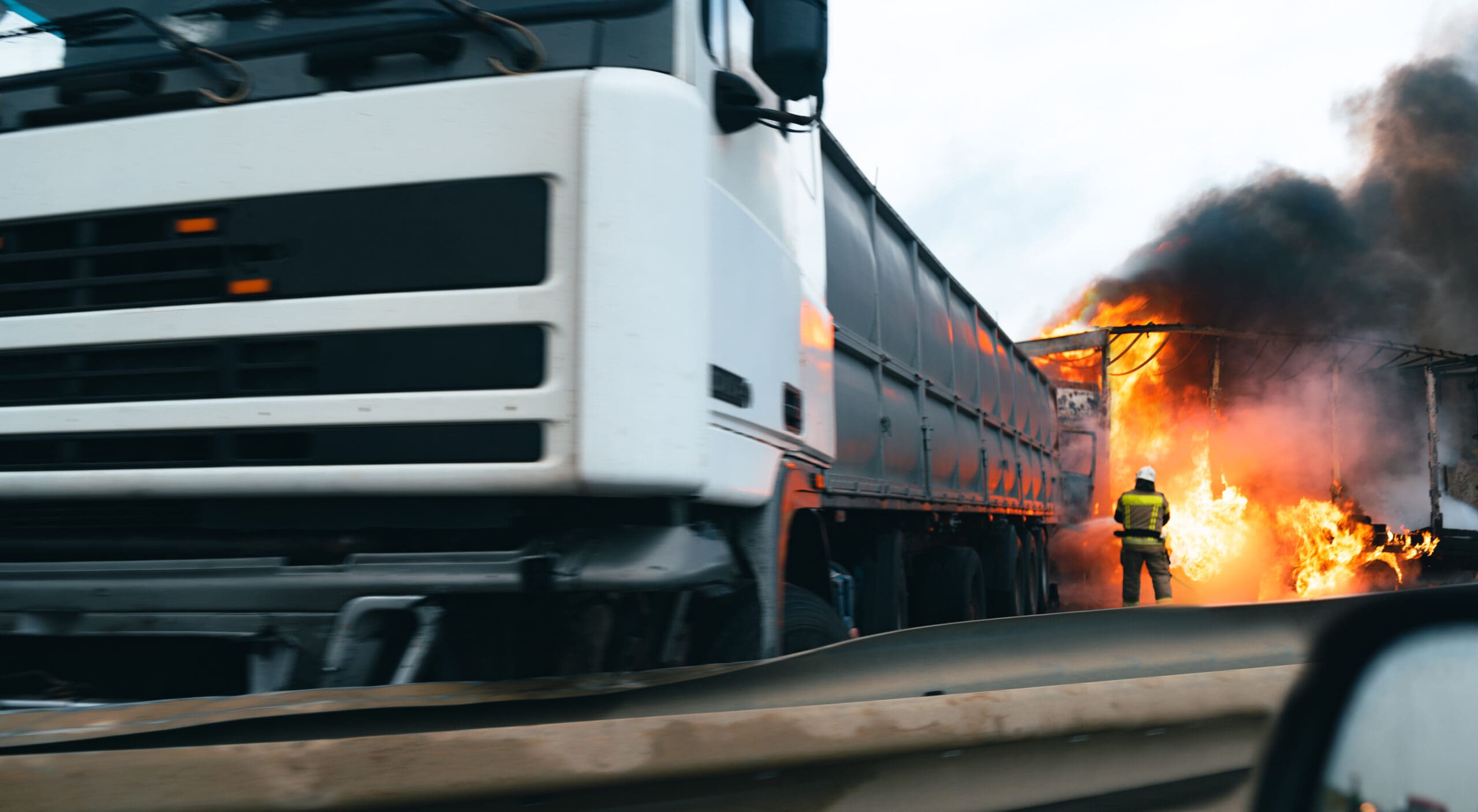 Types of Truck Accidents
Every year in the United States, thousands of people are injured or killed in truck accidents. The massive trucks can weigh as much as 80 tons and pose a dangerous threat on the roads.
While there are a myriad of factors that can cause these wrecks however, the majority of them result from driver error.
Rear-end collisions
A rear-end collision occurs when a car encounters another vehicle. These accidents can be very dangerous. These crashes could cause serious injury and death, as well as causing significant property damage.
There are a variety of reasons why rear-end collisions can occur. Some of the most common include speeding, tailgating, and distracted driving. You have the right to defend your legal rights and seek damages from the negligent person responsible for your injuries in the event that you are the victim of rear-end collisions.
Rear-end accidents are typically caused by a driver's inability to slow down or stop in time. This is often the result of a driver who is playing music or texting on their mobile phones.
Rear-end collisions can be exacerbated due to the size of the truck and its weight. Heavy trucks, like tractor-trailers and other heavy vehicles, can weigh as much as 80,000 lbs. They slow down more than passenger vehicles.
Because of these factors Many victims of accidents involving trucks suffer serious and potentially life-altering injuries. They may suffer brain injuries or spinal cord injury, or herniated disks. Broken bones and other serious ailments could be a possibility.
It is crucial to seek medical attention right away after you've been in an accident that involved an auto with a rear-end. The effects of whiplash injuries can be detrimental to the soft tissues of your neck and upper body which can cause stiffness, pain and restricted movement.
You should also record every detail of your rear-end truck accident, including where you were at the time the crash occurred and who was the person at fault, and what happened during the incident. This information can be used to support your claim.
Head-on collisions
Head-on collisions are when two vehicles collide head-tohead when they travel in opposing directions. This is not something that should occur on a road and head-on truck collisions are especially dangerous because of the size and weight of trucks.
A head-on collision can be caused by driver error or many other factors. The most common of these is when a vehicle is in its lane and crosses into the oncoming traffic. It can happen for a variety reasons, including distractions caused by drivers by animals or objects on the road or while driving when impaired.
Head-on collisions can be caused by drivers who speed. Larger trucks can easily drift out of their lane travel at greater speeds, which makes it easier for them to cause a head-on collision.
A person could be entitled to compensation if they sustain serious injuries in a head on collision. In some states, the victim may file an claim even if the were partially responsible for the crash. This is known as a state with relative fault.
Side-swipe collisions
Depending on the vehicle involved and their specific circumstances, side-swipe collisions can range from relatively minor to extremely serious. Broken bones, head trauma, upper thorax injury, and internal injuries are all possible injuries.
Sideswipe accidents can happen when vehicles make an unwise turn or changes lanes. Before changing lanes, drivers should be sure to check their mirrors and blind spots, particularly if they are driving high-clearance trucks.
Sideswipe collisions can be caused by road conditions. For instance the moment a driver changes lanes on icy or wet roads, they may not be able to see the traffic in front of them and could crash into another vehicle in the same lanes.
Sideswipe accidents must be immediately reported if you're involved. It may be difficult to obtain compensation for injuries you sustained in an accident if don't report it immediately.
Documenting the scene of the collision can help you prove that you were at fault. Photograph the accident scene from all angles. Also, take photographs of any impressions that you make on the road or on other objects.
Keep an eye on all medical bills and expenses incurred due to. These costs could include emergency medical care, hospitalization, doctor visits, medication and medical equipment, as well as long-term treatment, and more.
If you've suffered injuries in a sideswipe crash, speak to an experienced lawyer for car accidents to determine the amount of compensation you're entitled to. You can seek compensation for lost wages, medical costs as well as pain and loss of enjoyment to receive the highest amount of compensation. It will also provide you with the necessary resources to lead a healthy, secure life following your accident.
T-bone collisions
T-bone collisions (also known as broadside collisions) are extremely risky for passengers in a car that is hit by trucks. Because the vehicle's side affords its passengers little protection, any person in the vehicle struck by a big truck could suffer severe injuries or even death in the form of brain trauma or broken bones.
These crashes are usually caused by drivers who do not yield the right-of-way or who illegally drive through the red light. Additionally most T-bone collisions are caused by poor timing of traffic signals or an inefficient road design.
Trucks are more likely be in a side-impact collision because of their size and weight compared to regular passenger vehicles. If you've been injured in a collision involving a T-bone it is important to contact an attorney for personal injuries immediately to discuss your legal options.
T-bone injuries may be claimed from the responsible parties. This could include the driver responsible for the Trucking Crash Legal Assistance and his employer, or the manufacturer of the commercial sacramento truck accident lawyer.
Rollover collisions
Truck rollovers can cause serious injury or death. They can also cause damage to other vehicles, and cause long traffic jams that can be dangerous.
Most rollovers occur when the vehicle is not in control due to road conditions or the vehicle itself. These problems could be caused by the driver or other motorists, equipment or a combination of the two.
The most significant cause of rollovers is probably speed. Large trucks have a high center of gravity. A truck that is operating too fast for the road conditions can shift that weight onto the chassis, leading to a rollover.
Another reason for rollovers is cargo that is not securely secured. This can be a cause when the cargo is too heavy, not securely secured, or is mounted too high in the truck.
Despite the risks, load-induced rollovers are often avoided by having the load's weight dispersed properly. This can be achieved by securely securing the load, and by ensuring that it is stable prior to drive.
Additionally the length of the truck can impact the chance of the vehicle rolling over. The shorter trucks have lower centers of gravity and trucking Crash legal assistance are therefore less likely to roll over than trucks that are longer.
Truck drivers must be taught on how to avoid accident involving a rollover. This is the best way to reduce the number. This may include making sure that they inspect their vehicles before driving on the road and making sure that their loads are not too heavy or unstable. This could also include changing their speed limits or installing devices that warn them about overloading.