
Fitting Cat Flap in UPVC Door Panel
페이지 정보
작성자 Alberto Winkel 댓글 0건 조회 2회 작성일 24-11-02 09:17본문
Cat flaps allow your pet to move around as they please without having to let him in or out. They also help keep your cat from having to go to the bathroom in the house.
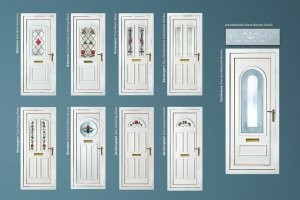 Installing a cat flap into the door panel made of upvc is much easier than in a glass door, but it will require some expertise and the right tools.
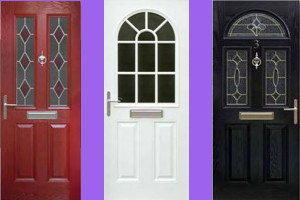 Take a look at the Door
Installing a cat door into a front door can be difficult, but as long as the cat flap is of the right type and you follow the directions, it shouldn't be too difficult. We will show you how to draw the shape using a jigsaw in order to cut the door area. Then we will finish the job by affixing the cat flap. This will ensure that the flap is in place and also protects the doors from the damage caused by rain and wind.
To determine the size of the cat flap you require, take a measurement of the width of your pet. This will ensure that the flap is big enough that your pet can leave and enter the home without having to open and close the door each time, but it is also small enough to keep the pet from straying too far in either direction.
Once you have the measurements you can determine the area on the door where the template should be placed. usually, this is done using an X. However, some kits include a drawing that shows where to drill, if yours does, then you can stick it to the door and draw a line around it. If your door has a sill or moulding on the bottom edge of it ensure you have enough clearance from these to ensure your cat's safety and stop them from gaining access to your home.
Utilize a set square to make sure you are cutting correctly and to make sure the hole is a perfect rectangle shape. Once you are satisfied with this, you are able to begin to remove the rest of the door material. If you own an already-cut square, use it to ensure that you're cutting properly and to make sure the hole is in a rectangle shape, once you are satisfied with this you can start to remove the rest of the door material.
Draw a Line
The cat flap allows you to let your pet go inside and out without having to worry about unwanted visitors or unwanted gifts. It also prevents draughts, and helps keep your home's temperature in check. However, installing the cat flap to your door might seem like an intimidating task for those who have never done it before, leading many to hire an expert joiner or carpenter to do the job. While this is definitely an option, it is possible to do the job yourself if you own the right tools and follow the instructions with care.
This is much simpler to accomplish on doors made of wood, however it is still possible with uPVC. However it is important to be cautious not to damage the doors as this could cause the door to be damaged and invalidate your warranty. The first step is to examine the door's measurements to ensure that it can accommodate the new cat-flap. If you have an ordinary uPVC panel it's easy. However in the case of made of composite or another kind of door, you might need to be more careful.
The next step is to measure the height of your cat's stomach. This is the height from the floor to the lower part of the cat's stomach and you will need to locate a place on the door that will be within the range your cat flap installation is able to comfortably walk through. Once you know this you'll have to draw the area with a pencil and a spirit level to ensure that the hole you will make will be suitable for your cat.
Once you have marked out the area, it is time to cut the hole. It is crucial to be patient and use a jigsaw to ensure the cuts are smooth and clean not uneven and rough. This could cause damage to your door. It is also important to wear safety glasses and a dust mask whenever using the jigsaw, since breathing in the dust could be hazardous to your health. Once you have completed the cutting, you will need to smooth out the edges of the hole with sandpaper so that your cat flap can be fitted easily.
Make a hole
It can be a challenge to put the cat flap onto a door panel or sealed double glazing unit. If you are not very skilled in DIY, it is best to employ a professional to do the job for you. A shoddy job might not only be unsightly but also a security risk as well as allowing cold air to get in when the cat flap installers near me is outside, and hot air to escape inside.
The hole's location should be marked on the door using the help of a pencil and a spirit level. This will ensure it is positioned correctly and runs flush with the door's other parts. Make sure you have some sandpaper in your possession to smooth any rough edges.
Wear any safety gear you require when working with the power tool. If you are concerned about the sound produced by the jigsaw, consider buying a cordless version which is quieter and simpler to use.
It is essential to only remove the material required for the fitment of the cat flap. It is essential to leave a little extra material to make the wall thickness of the cat flap. However cutting off too much material can cause issues or even damage the door frame.
If the upvc door features a metal panel or frame, it may interfere with the microchip flap. In this situation, you will need to create an over-sized hole to ensure that the metal doesn't come into contact with walls of the flap.
If you're planning to install a cat flap in a upvc or double-glazed window with metal frames, you'll need to consult a specialist. They will offer you a brand new piece of glass with the hole already made for the cat flap. This will be less expensive than fitting cat flap in upvc door panel a cat flap inside an existing pane that was not designed specifically for this purpose.
Place the Flap
Cat flaps allow your pet to move around as they please, giving them the freedom to lounge inside the house whenever they're feeling like it. However, if you have an uPVC door, it might be difficult to install a cat flap, particularly in the absence of glass panes that could be cut for one. If you're looking to install a half-glazed uPVC replacement panel, it's possible to install an additional cat flap. It's not a matter of slicing an opening in the door. You'll also need to do a few things to ensure that it is safe.
A composite, uPVC, or GRP door panel is typically made up of an flimsy plastic outer layer bonded to a soft polystyrene insulating core. It is important to be careful when cutting the material. This type of door typically has a template that you can use as a reference for cutting the hole in the door.
After you have carved out the hole in your front door, it's time to install the cat flap. You can choose from a variety of designs, from simple push-button flaps to microchip activated ones that allow your pet in. But, regardless of the type of cat flap you choose it's important to make sure that your cat can use the flap without becoming trapped in the weather.
A circular fitting cat flap in upvc door panel is superior than a square, because circles can be cut more securely into the glass. This is because square holes are more likely to break the glass when drilled. It's also a safer choice to use since you're not at risk of drilling into toughened glass that could shatter and injure your pet or your family. This is particularly important if you have child or an elderly person living in your home who may be injured by shards of glass cat flap installation near me.
Installing a cat flap into the door panel made of upvc is much easier than in a glass door, but it will require some expertise and the right tools.Take a look at the DoorInstalling a cat door into a front door can be difficult, but as long as the cat flap is of the right type and you follow the directions, it shouldn't be too difficult. We will show you how to draw the shape using a jigsaw in order to cut the door area. Then we will finish the job by affixing the cat flap. This will ensure that the flap is in place and also protects the doors from the damage caused by rain and wind.
To determine the size of the cat flap you require, take a measurement of the width of your pet. This will ensure that the flap is big enough that your pet can leave and enter the home without having to open and close the door each time, but it is also small enough to keep the pet from straying too far in either direction.
Once you have the measurements you can determine the area on the door where the template should be placed. usually, this is done using an X. However, some kits include a drawing that shows where to drill, if yours does, then you can stick it to the door and draw a line around it. If your door has a sill or moulding on the bottom edge of it ensure you have enough clearance from these to ensure your cat's safety and stop them from gaining access to your home.
Utilize a set square to make sure you are cutting correctly and to make sure the hole is a perfect rectangle shape. Once you are satisfied with this, you are able to begin to remove the rest of the door material. If you own an already-cut square, use it to ensure that you're cutting properly and to make sure the hole is in a rectangle shape, once you are satisfied with this you can start to remove the rest of the door material.
Draw a Line
The cat flap allows you to let your pet go inside and out without having to worry about unwanted visitors or unwanted gifts. It also prevents draughts, and helps keep your home's temperature in check. However, installing the cat flap to your door might seem like an intimidating task for those who have never done it before, leading many to hire an expert joiner or carpenter to do the job. While this is definitely an option, it is possible to do the job yourself if you own the right tools and follow the instructions with care.
This is much simpler to accomplish on doors made of wood, however it is still possible with uPVC. However it is important to be cautious not to damage the doors as this could cause the door to be damaged and invalidate your warranty. The first step is to examine the door's measurements to ensure that it can accommodate the new cat-flap. If you have an ordinary uPVC panel it's easy. However in the case of made of composite or another kind of door, you might need to be more careful.
The next step is to measure the height of your cat's stomach. This is the height from the floor to the lower part of the cat's stomach and you will need to locate a place on the door that will be within the range your cat flap installation is able to comfortably walk through. Once you know this you'll have to draw the area with a pencil and a spirit level to ensure that the hole you will make will be suitable for your cat.
Once you have marked out the area, it is time to cut the hole. It is crucial to be patient and use a jigsaw to ensure the cuts are smooth and clean not uneven and rough. This could cause damage to your door. It is also important to wear safety glasses and a dust mask whenever using the jigsaw, since breathing in the dust could be hazardous to your health. Once you have completed the cutting, you will need to smooth out the edges of the hole with sandpaper so that your cat flap can be fitted easily.
Make a hole
It can be a challenge to put the cat flap onto a door panel or sealed double glazing unit. If you are not very skilled in DIY, it is best to employ a professional to do the job for you. A shoddy job might not only be unsightly but also a security risk as well as allowing cold air to get in when the cat flap installers near me is outside, and hot air to escape inside.
The hole's location should be marked on the door using the help of a pencil and a spirit level. This will ensure it is positioned correctly and runs flush with the door's other parts. Make sure you have some sandpaper in your possession to smooth any rough edges.
Wear any safety gear you require when working with the power tool. If you are concerned about the sound produced by the jigsaw, consider buying a cordless version which is quieter and simpler to use.
It is essential to only remove the material required for the fitment of the cat flap. It is essential to leave a little extra material to make the wall thickness of the cat flap. However cutting off too much material can cause issues or even damage the door frame.
If the upvc door features a metal panel or frame, it may interfere with the microchip flap. In this situation, you will need to create an over-sized hole to ensure that the metal doesn't come into contact with walls of the flap.
If you're planning to install a cat flap in a upvc or double-glazed window with metal frames, you'll need to consult a specialist. They will offer you a brand new piece of glass with the hole already made for the cat flap. This will be less expensive than fitting cat flap in upvc door panel a cat flap inside an existing pane that was not designed specifically for this purpose.
Place the Flap
Cat flaps allow your pet to move around as they please, giving them the freedom to lounge inside the house whenever they're feeling like it. However, if you have an uPVC door, it might be difficult to install a cat flap, particularly in the absence of glass panes that could be cut for one. If you're looking to install a half-glazed uPVC replacement panel, it's possible to install an additional cat flap. It's not a matter of slicing an opening in the door. You'll also need to do a few things to ensure that it is safe.
A composite, uPVC, or GRP door panel is typically made up of an flimsy plastic outer layer bonded to a soft polystyrene insulating core. It is important to be careful when cutting the material. This type of door typically has a template that you can use as a reference for cutting the hole in the door.
After you have carved out the hole in your front door, it's time to install the cat flap. You can choose from a variety of designs, from simple push-button flaps to microchip activated ones that allow your pet in. But, regardless of the type of cat flap you choose it's important to make sure that your cat can use the flap without becoming trapped in the weather.
A circular fitting cat flap in upvc door panel is superior than a square, because circles can be cut more securely into the glass. This is because square holes are more likely to break the glass when drilled. It's also a safer choice to use since you're not at risk of drilling into toughened glass that could shatter and injure your pet or your family. This is particularly important if you have child or an elderly person living in your home who may be injured by shards of glass cat flap installation near me.