
The 10 Most Scariest Things About Stove Wood Burning
페이지 정보
작성자 Claire 댓글 0건 조회 2회 작성일 24-09-22 04:00본문
How to Properly Start a Wood Burning Stove
Wood stoves are a cozy way to heat a room and conserve energy. They do require some maintenance.
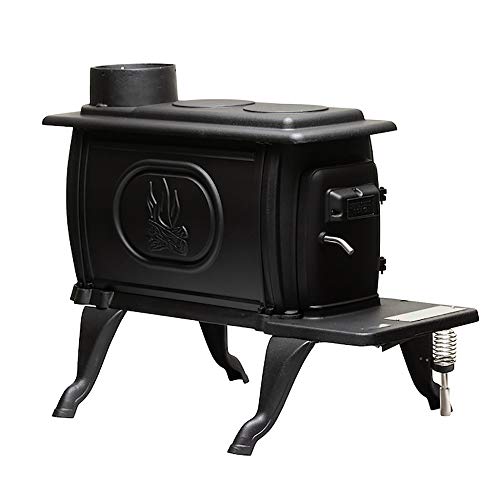 Many modern wood stoves conform to EPA emission guidelines. You can look for an EPA sticker on the grate or under it to ensure that your stove doesn't emit harmful pollutants.
How to Start a Wood Fire
The sound and smell of a fire made from cheap wood burner can be a wonderful addition to any house. But it's important to learn the proper way to build a fire in your stove. Improper techniques can result in a fire which does not burn well, and may produce creosote or smoke. The following tips can help you start a safe fire that will warm your home quickly and efficiently.
Before you begin a fire, check the condition of your logs and coals. If they are wet it will dampen your fire and prevent the proper burning. You might want to open the chimney to remove any ash that has fallen into the stove wood burning.
Begin by placing a handful of small, dry pieces of newspaper in your stove. This will help to ignite the sparks. Once these begin to ignite, add a layer of larger pieces to the top of the pile. This should be done in a crosshatch pattern, so that there is air between each piece of wood.
If you have wood stoves that have an automatic combustion control it will automatically supply an air stream that is controlled to the fire as it grows. This allows the fire to burn continuously without having to open the door of your stove frequently to check on it.
Be careful not to use too much tinder as it will cause the fire to burn at a rapid rate and not utilize the fuel efficiently. After you've built a solid bed in your stove of igniters, tinder, and embers to start the main flame, you can do this by placing two large logs of the base on the grill. Then, on the top of these base logs put a layer of wood perpendicular to them. This "top-down" method of building a fireplace will result in an effective and long-lasting fire that doesn't engulf larger base logs.
Close the damper once your fire has been established, and keep it closed. The fire may be smothered if the user opens the damper before it is fully established. It will also reduce the efficiency of the fire.
Add Wood
Stoves can be used to heat your home efficiently and help you save money. They can be utilized together with a central heating system or furnace to provide supplemental heating in large homes. A lot of the stoves that burn clean use a superior combustion principle that separates the burning of volatile compounds from the combustion of combustible gases and tar by supplying air in two distinct stages. The first stage allows for the vaporization of the volatile compounds and the second supplies fresh air that has been pre-heated. This enhances the combustion process and helps reduce the smell.
The amount of heat you get from a stove depends on the species and the moisture content of the wood you use, and also the size of the logs. The logs should be stacked in a ventilated area for a period of time before you try to burn them, to allow the wood to dry out. If the logs contain excessive moisture, they'll produce steam which is essentially wasted power.
During the burning of the fire, it is recommended to add more wood to the pile at intervals, but not all at once. Adding too much wood at one time causes the temperature inside the firebox to rise and produces a vortex that sucks smoke and volatile compounds that have not been burned back into the flame which can decrease the efficiency of your best woodburning stove.
Avoid burning other combustibles in your stove, like paper or cardboard because they are not wood. They have different physical properties and can't be burned without causing dangerously high temperatures. You should not burn compressed combustibles such as wood briquettes because they differ in chemical and physical composition from firewood. They are also not approved by the type to be used in wood-burning stoves.
It is important to have a professional install and test your wood stove. A certified WETT technician will test your installation to ensure it is safe and functional. They will also ensure that your chimney is functioning properly. These professionals can also offer maintenance services to keep your stove and chimney in top condition. They will inspect the areas that are accessible to your chimney to determine if there is leakage and repair any problems discovered. They will also make sure that all residents of the house understand and follow the fire evacuation procedure in case of an accident.
Adjusting the Damper
A damper controls how much heat escapes through the chimney when you aren't using your stove. In addition, it can also help control the fire. If the flue is not open but the damper is not closed enough, the fire won't be able to burn properly and will release smoke into your living area. To ensure that you get the most effective fire using your damper adjusted properly you must experiment with different settings and observe how each affects the flames.
You should keep your damper open to let air be able to enter and exit the flue when a fire is burning. This will let the fire start and stay lit for many hours. The right opening will prevent the fire from becoming depleted of air and stop it from blowing smoke.
To adjust your damper correctly, you must first ensure that the fireplace has been preheated and that the wood stove is hot. This will ensure that the chimney stays warm and has a good draft. Once this is accomplished, the wood stove damper can be adjusted.
Once the fire has smolder for a while, you can reduce the damper to around three-quarters of its original position. This will prevent warm air in the room from getting into the chimney, while still allowing smoke to escape.
This is the most effective way to prevent the fire from getting too hot while still keeping it lit. The draft could be stopped if one closes the damper too tightly, but a cold wind could enter your home if the damper is not closed.
Placing your hand on the top of the flue pipe will show you how much the damper has opened. If you feel a small breeze pushing against your palm, the damper is likely to be open.
The damper setting can vary a little from one stove to another and even between different types of wood. You can experiment with different settings to get a sense of the ideal setting for your stove.
Clean up
After an incident, it is essential to clean the flue and stove. This will lower the risk of a chimney fire, which is the main reason for wood stove fires in homes. Creosote is a sticky material that accumulates on the stovepipe's interior and is extremely dangerous. The moisture and the unburned parts of wood that are unable to escape the fire are the cause for this substance. This can also occur when fires aren't lit properly.
Regular cleaning helps prevent creosote buildup. This can be accomplished by sweeping your chimney at least once a year. It is also recommended to have your stove and fireplace professionally cleaned and inspected at least once a year.
Also, it's recommended to clean the ash tray and the grates regularly. It is recommended to only burn wood that has been seasoned since it will create less creosote. Avoid burning paper, cardboard and plastic. They could release harmful chemicals for respiratory illnesses and the atmosphere, which may be released into your home.
The glass on the wood burning stove needs to be cleaned regularly as well. A lot of modern wood stoves are made with self-cleaning glass, which means they don't require a lot of scrubs. If you're unable to get the glass on your wood stove as clean as you'd like you can use stove glass cleaners that can be used on the window.
Some other helpful tips to maintain your wood stove are to turn the vent off when you are not using it and cracking windows or doors to allow more air flow. This will keep the fire burning more hot and efficiently. The wood stove won't have to be as active to circulate air. It is recommended not to stack logs, or leave them on the fire for a long period of time. This can cause warping and splits. In addition, it is recommended to not use compressed combustible logs in your wood stove as the paraffin they contain could melt and spill into the flue which could cause damage.
Wood stoves are a cozy way to heat a room and conserve energy. They do require some maintenance.
Many modern wood stoves conform to EPA emission guidelines. You can look for an EPA sticker on the grate or under it to ensure that your stove doesn't emit harmful pollutants.How to Start a Wood Fire
The sound and smell of a fire made from cheap wood burner can be a wonderful addition to any house. But it's important to learn the proper way to build a fire in your stove. Improper techniques can result in a fire which does not burn well, and may produce creosote or smoke. The following tips can help you start a safe fire that will warm your home quickly and efficiently.
Before you begin a fire, check the condition of your logs and coals. If they are wet it will dampen your fire and prevent the proper burning. You might want to open the chimney to remove any ash that has fallen into the stove wood burning.
Begin by placing a handful of small, dry pieces of newspaper in your stove. This will help to ignite the sparks. Once these begin to ignite, add a layer of larger pieces to the top of the pile. This should be done in a crosshatch pattern, so that there is air between each piece of wood.
If you have wood stoves that have an automatic combustion control it will automatically supply an air stream that is controlled to the fire as it grows. This allows the fire to burn continuously without having to open the door of your stove frequently to check on it.
Be careful not to use too much tinder as it will cause the fire to burn at a rapid rate and not utilize the fuel efficiently. After you've built a solid bed in your stove of igniters, tinder, and embers to start the main flame, you can do this by placing two large logs of the base on the grill. Then, on the top of these base logs put a layer of wood perpendicular to them. This "top-down" method of building a fireplace will result in an effective and long-lasting fire that doesn't engulf larger base logs.
Close the damper once your fire has been established, and keep it closed. The fire may be smothered if the user opens the damper before it is fully established. It will also reduce the efficiency of the fire.
Add Wood
Stoves can be used to heat your home efficiently and help you save money. They can be utilized together with a central heating system or furnace to provide supplemental heating in large homes. A lot of the stoves that burn clean use a superior combustion principle that separates the burning of volatile compounds from the combustion of combustible gases and tar by supplying air in two distinct stages. The first stage allows for the vaporization of the volatile compounds and the second supplies fresh air that has been pre-heated. This enhances the combustion process and helps reduce the smell.
The amount of heat you get from a stove depends on the species and the moisture content of the wood you use, and also the size of the logs. The logs should be stacked in a ventilated area for a period of time before you try to burn them, to allow the wood to dry out. If the logs contain excessive moisture, they'll produce steam which is essentially wasted power.
During the burning of the fire, it is recommended to add more wood to the pile at intervals, but not all at once. Adding too much wood at one time causes the temperature inside the firebox to rise and produces a vortex that sucks smoke and volatile compounds that have not been burned back into the flame which can decrease the efficiency of your best woodburning stove.
Avoid burning other combustibles in your stove, like paper or cardboard because they are not wood. They have different physical properties and can't be burned without causing dangerously high temperatures. You should not burn compressed combustibles such as wood briquettes because they differ in chemical and physical composition from firewood. They are also not approved by the type to be used in wood-burning stoves.
It is important to have a professional install and test your wood stove. A certified WETT technician will test your installation to ensure it is safe and functional. They will also ensure that your chimney is functioning properly. These professionals can also offer maintenance services to keep your stove and chimney in top condition. They will inspect the areas that are accessible to your chimney to determine if there is leakage and repair any problems discovered. They will also make sure that all residents of the house understand and follow the fire evacuation procedure in case of an accident.
Adjusting the Damper
A damper controls how much heat escapes through the chimney when you aren't using your stove. In addition, it can also help control the fire. If the flue is not open but the damper is not closed enough, the fire won't be able to burn properly and will release smoke into your living area. To ensure that you get the most effective fire using your damper adjusted properly you must experiment with different settings and observe how each affects the flames.
You should keep your damper open to let air be able to enter and exit the flue when a fire is burning. This will let the fire start and stay lit for many hours. The right opening will prevent the fire from becoming depleted of air and stop it from blowing smoke.
To adjust your damper correctly, you must first ensure that the fireplace has been preheated and that the wood stove is hot. This will ensure that the chimney stays warm and has a good draft. Once this is accomplished, the wood stove damper can be adjusted.
Once the fire has smolder for a while, you can reduce the damper to around three-quarters of its original position. This will prevent warm air in the room from getting into the chimney, while still allowing smoke to escape.
This is the most effective way to prevent the fire from getting too hot while still keeping it lit. The draft could be stopped if one closes the damper too tightly, but a cold wind could enter your home if the damper is not closed.
Placing your hand on the top of the flue pipe will show you how much the damper has opened. If you feel a small breeze pushing against your palm, the damper is likely to be open.
The damper setting can vary a little from one stove to another and even between different types of wood. You can experiment with different settings to get a sense of the ideal setting for your stove.
Clean up
After an incident, it is essential to clean the flue and stove. This will lower the risk of a chimney fire, which is the main reason for wood stove fires in homes. Creosote is a sticky material that accumulates on the stovepipe's interior and is extremely dangerous. The moisture and the unburned parts of wood that are unable to escape the fire are the cause for this substance. This can also occur when fires aren't lit properly.
Regular cleaning helps prevent creosote buildup. This can be accomplished by sweeping your chimney at least once a year. It is also recommended to have your stove and fireplace professionally cleaned and inspected at least once a year.
Also, it's recommended to clean the ash tray and the grates regularly. It is recommended to only burn wood that has been seasoned since it will create less creosote. Avoid burning paper, cardboard and plastic. They could release harmful chemicals for respiratory illnesses and the atmosphere, which may be released into your home.
The glass on the wood burning stove needs to be cleaned regularly as well. A lot of modern wood stoves are made with self-cleaning glass, which means they don't require a lot of scrubs. If you're unable to get the glass on your wood stove as clean as you'd like you can use stove glass cleaners that can be used on the window.
Some other helpful tips to maintain your wood stove are to turn the vent off when you are not using it and cracking windows or doors to allow more air flow. This will keep the fire burning more hot and efficiently. The wood stove won't have to be as active to circulate air. It is recommended not to stack logs, or leave them on the fire for a long period of time. This can cause warping and splits. In addition, it is recommended to not use compressed combustible logs in your wood stove as the paraffin they contain could melt and spill into the flue which could cause damage.