
Clay Chiminea Techniques To Simplify Your Daily Lifethe One Clay Chimi…
페이지 정보
작성자 Deidre 댓글 0건 조회 3회 작성일 24-09-22 03:19본문
Clay Chiminea - A Fun and Cosy Way to Enjoy the Outdoors
Clay Chimineas are a wonderful way to get outdoors and enjoy the sun. If they aren't treated with care, they may crack and break.
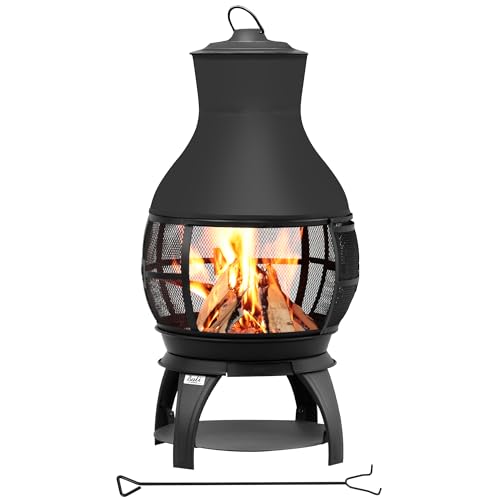 To prevent this from happening, it is essential to treat your chimenea. This means starting with small fires and allowing it to heat up gradually. This will also to keep sharp pieces of hot clay from flying around!
How they're constructed
Clay chimineas are made from either kiln dried (treated) or air dried clay. Kiln drying is the process of baking clay in a kiln above 1200 degrees. The clay is shaped either by hand or by putting it into molds. After the clay is shaped, the clay can be painted (a material like ceramic or glass is applied on the surface) or left unglazed. Sometimes, it is painted for decoration.
Chimineas can be made of the clay terra cotta, which is the same clay used in the production of plant pots. Today, the majority of Chimineas are produced in Mexico. A flourishing industry that helps support local jobs. Chimineas are fired using small kilns, usually in batches of as high as 100 Mexican Chimineas per hour.
The clay is then rolled into long serpents that are formed into the body of the chiminea. This is done by hand with some skill, and it can be difficult to get the clay to the right shape for a chiminea because they are typically quite large. Some chimineas are made on a wheel similar to pottery that requires skilled throwing techniques and the use of tools like sponges to get the clay into the correct shape.
Once the chiminea has formed, it is dried in the sun or a kiln for several days. After drying it is glazed or unglazed. It is then baked at high temperatures in a kiln. It can take several firings to fully glaze a clay chiminea and achieve its full fireproofing potential.
Wood or charcoal can be used to fuel the chiminea. Some people even use it for cooking. Wood is the best fuel for the chimenea as it burns slower and doesn't produce too many sparks. Using a gas burner inside a chiminea isn't recommended as the clay can crack under the pressure of the flames.
Never lift a chimenea by the chimney or stack. This is a weak point and it's easy to break. Hold one hand on the lip of the mouth, or where the bowl opens, and gently hold your chimenea's neck with the other hand.
The design
If you're looking to turn your outdoor space into an extra 'room' or simply enjoy some lovely natural heat, a clay chiminea offers you the ideal solution. They're easy to use and look stunning, however they can crack or even explode if exposed to excessive pressure and therefore must be put in a safe place.
Regular cleaning is also essential to remove soot, ash and other contaminants from the inside. This ensures that the structure is neat and makes it look more appealing as well. This is best done before lighting a fire but can also be done afterwards in case you prefer. Regular cleaning reduces the danger of a chiminea becoming ablaze because the accumulation of debris could spark and cause structural damage.
A layer of sand, or lava stone, may be placed on the bottom of your fireplace. This will shield your clay from the heat created by burning wood and coals, which could otherwise cause it crack. A lot of people opt for a bag of sand to make a Chiminea, but lava stones are an excellent alternative for those looking for something a little more elegant.
You can also construct an outdoor hearth to surround your chiminea, creating a fire-proof area for it to sit on. These are usually constructed by covering the area of a patio or deck with pavers or other non-combustible substances making an elevated platform for your chiminea. You can move it around to avoid it being too close to structures or vegetation. It's also simple to douse the fire with water, without worrying about causing harm to the surrounding area.
It's best to combine a chiminea and a grill. This lets you cook meals while keeping your chiminea warm and gives you the opportunity to experiment with various cooking techniques, which isn't always feasible when using traditional fire pits. Be aware that chimineas can be very heavy, and larger ones should only be moved after they are completely cool or with the help of a person. They can also be extended by covering them when they are not being used.
The chimney
A chiminea consists of a clay pot as well as a chimney. It is a fire feature that can be put anywhere in the yard or garden to create warmth and atmosphere. Chimineas can be used to cook charcoal or wood. They also look beautiful and are a great addition to any furniture on your patio. They are very easy to maintain and last for many years. They can be painted to match the decor non-toxic paints. Adding a cover to protect it from elements and debris will aid in prolonging its life.
Like all pots, a clay chiminea is vulnerable to several elements including extreme heat and rain. To ensure that your chiminea remains in good condition you must regularly clean it. Utilizing a stiff bristled toothbrush it is necessary to remove all dirt and ash from the inside of your chiminea. You will then need to clean the exterior of your fireplace with some mild soap and a soft cloth.
It is also recommended to place a layer stone or sand on the bottom of your Chiminea. This will stop the hot coals from directly touching the clay, causing cracking in the clay due to heat. Lava stones can be an extra layer to your Chiminea's safety.
Both clay and cast iron can withstand high temperatures however they must be maintained with care to avoid breaking or cracking. A chiminea which is cracked or broken could break open, spilling ashes and creating dangers for fire.
Clay chimineas can be repaired with high-temperature epoxy glues that are readily available in a majority of hardware stores. However unlike traditional flowerpots made from clay they must be repaired using products that can withstand high temperature.
Like all fireplaces one can expect a chiminea to produce hot sparks when you light it. To minimize this the risk, make sure that the wood is well-seasoned and cut and a mesh screen or chicken wire on the top of the stack. A Metal chimineas grate placed over the opening can reduce the amount of sparks coming out of your big chiminea.
The firebox
A clay chiminea, also known as a "chimenea" is a great option to create a practical outdoor fire feature. These simple, flexible units are available in a variety of designs and materials that will fit any yard or home.
Generally speaking, these structures come with a fire bowl, the main body that feeds and holds the wood, and a short chimney stack to allow the expulsion of ash and smoke. Some include grills and other cooking components for homeowners who wish to use their chimineas as an outdoor kitchen.
A chiminea, like any clay pot, requires frequent maintenance to keep it in good shape. Clay can crack or break when it is put under excessive stress such as abrupt temperature changes. To prevent this from happening it is recommended that you place your chiminea in a stable surface, such as a fire pad, in a fireplace pit or on concrete tiles or stone.
It is important to keep the flames in the fire bowl as small and as controlled as you can. A large fire could cause the clay to crack and shatter. This can cause extremely sharp chunks of hot pottery to fly off and can be hazardous to pets and children who may be in the vicinity.
The best way to avoid this is to "season" your chiminea prior you use it for the first time. It's suggested that you make between four and eight small fires to seal the clay. After each fire, allow your chiminea to cool down completely before trying another.
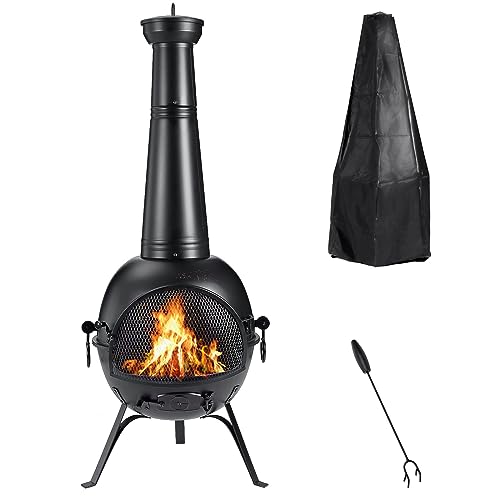 If you care for your chiminea correctly, it will last many years. Modern chimineas often use the most heavily grogged, heavy clay to withstand sudden temperature changes. This could cause other chimineas to break or crack. In times of heavy rain it's an ideal idea to cover your chiminea with a. This will help to shield it from sleet and rain, and to reduce the loss of heat during the season of rain.
Clay Chimineas are a wonderful way to get outdoors and enjoy the sun. If they aren't treated with care, they may crack and break.
To prevent this from happening, it is essential to treat your chimenea. This means starting with small fires and allowing it to heat up gradually. This will also to keep sharp pieces of hot clay from flying around!How they're constructed
Clay chimineas are made from either kiln dried (treated) or air dried clay. Kiln drying is the process of baking clay in a kiln above 1200 degrees. The clay is shaped either by hand or by putting it into molds. After the clay is shaped, the clay can be painted (a material like ceramic or glass is applied on the surface) or left unglazed. Sometimes, it is painted for decoration.
Chimineas can be made of the clay terra cotta, which is the same clay used in the production of plant pots. Today, the majority of Chimineas are produced in Mexico. A flourishing industry that helps support local jobs. Chimineas are fired using small kilns, usually in batches of as high as 100 Mexican Chimineas per hour.
The clay is then rolled into long serpents that are formed into the body of the chiminea. This is done by hand with some skill, and it can be difficult to get the clay to the right shape for a chiminea because they are typically quite large. Some chimineas are made on a wheel similar to pottery that requires skilled throwing techniques and the use of tools like sponges to get the clay into the correct shape.
Once the chiminea has formed, it is dried in the sun or a kiln for several days. After drying it is glazed or unglazed. It is then baked at high temperatures in a kiln. It can take several firings to fully glaze a clay chiminea and achieve its full fireproofing potential.
Wood or charcoal can be used to fuel the chiminea. Some people even use it for cooking. Wood is the best fuel for the chimenea as it burns slower and doesn't produce too many sparks. Using a gas burner inside a chiminea isn't recommended as the clay can crack under the pressure of the flames.
Never lift a chimenea by the chimney or stack. This is a weak point and it's easy to break. Hold one hand on the lip of the mouth, or where the bowl opens, and gently hold your chimenea's neck with the other hand.
The design
If you're looking to turn your outdoor space into an extra 'room' or simply enjoy some lovely natural heat, a clay chiminea offers you the ideal solution. They're easy to use and look stunning, however they can crack or even explode if exposed to excessive pressure and therefore must be put in a safe place.
Regular cleaning is also essential to remove soot, ash and other contaminants from the inside. This ensures that the structure is neat and makes it look more appealing as well. This is best done before lighting a fire but can also be done afterwards in case you prefer. Regular cleaning reduces the danger of a chiminea becoming ablaze because the accumulation of debris could spark and cause structural damage.
A layer of sand, or lava stone, may be placed on the bottom of your fireplace. This will shield your clay from the heat created by burning wood and coals, which could otherwise cause it crack. A lot of people opt for a bag of sand to make a Chiminea, but lava stones are an excellent alternative for those looking for something a little more elegant.
You can also construct an outdoor hearth to surround your chiminea, creating a fire-proof area for it to sit on. These are usually constructed by covering the area of a patio or deck with pavers or other non-combustible substances making an elevated platform for your chiminea. You can move it around to avoid it being too close to structures or vegetation. It's also simple to douse the fire with water, without worrying about causing harm to the surrounding area.
It's best to combine a chiminea and a grill. This lets you cook meals while keeping your chiminea warm and gives you the opportunity to experiment with various cooking techniques, which isn't always feasible when using traditional fire pits. Be aware that chimineas can be very heavy, and larger ones should only be moved after they are completely cool or with the help of a person. They can also be extended by covering them when they are not being used.
The chimney
A chiminea consists of a clay pot as well as a chimney. It is a fire feature that can be put anywhere in the yard or garden to create warmth and atmosphere. Chimineas can be used to cook charcoal or wood. They also look beautiful and are a great addition to any furniture on your patio. They are very easy to maintain and last for many years. They can be painted to match the decor non-toxic paints. Adding a cover to protect it from elements and debris will aid in prolonging its life.
Like all pots, a clay chiminea is vulnerable to several elements including extreme heat and rain. To ensure that your chiminea remains in good condition you must regularly clean it. Utilizing a stiff bristled toothbrush it is necessary to remove all dirt and ash from the inside of your chiminea. You will then need to clean the exterior of your fireplace with some mild soap and a soft cloth.
It is also recommended to place a layer stone or sand on the bottom of your Chiminea. This will stop the hot coals from directly touching the clay, causing cracking in the clay due to heat. Lava stones can be an extra layer to your Chiminea's safety.
Both clay and cast iron can withstand high temperatures however they must be maintained with care to avoid breaking or cracking. A chiminea which is cracked or broken could break open, spilling ashes and creating dangers for fire.
Clay chimineas can be repaired with high-temperature epoxy glues that are readily available in a majority of hardware stores. However unlike traditional flowerpots made from clay they must be repaired using products that can withstand high temperature.
Like all fireplaces one can expect a chiminea to produce hot sparks when you light it. To minimize this the risk, make sure that the wood is well-seasoned and cut and a mesh screen or chicken wire on the top of the stack. A Metal chimineas grate placed over the opening can reduce the amount of sparks coming out of your big chiminea.
The firebox
A clay chiminea, also known as a "chimenea" is a great option to create a practical outdoor fire feature. These simple, flexible units are available in a variety of designs and materials that will fit any yard or home.
Generally speaking, these structures come with a fire bowl, the main body that feeds and holds the wood, and a short chimney stack to allow the expulsion of ash and smoke. Some include grills and other cooking components for homeowners who wish to use their chimineas as an outdoor kitchen.
A chiminea, like any clay pot, requires frequent maintenance to keep it in good shape. Clay can crack or break when it is put under excessive stress such as abrupt temperature changes. To prevent this from happening it is recommended that you place your chiminea in a stable surface, such as a fire pad, in a fireplace pit or on concrete tiles or stone.
It is important to keep the flames in the fire bowl as small and as controlled as you can. A large fire could cause the clay to crack and shatter. This can cause extremely sharp chunks of hot pottery to fly off and can be hazardous to pets and children who may be in the vicinity.
The best way to avoid this is to "season" your chiminea prior you use it for the first time. It's suggested that you make between four and eight small fires to seal the clay. After each fire, allow your chiminea to cool down completely before trying another.
If you care for your chiminea correctly, it will last many years. Modern chimineas often use the most heavily grogged, heavy clay to withstand sudden temperature changes. This could cause other chimineas to break or crack. In times of heavy rain it's an ideal idea to cover your chiminea with a. This will help to shield it from sleet and rain, and to reduce the loss of heat during the season of rain.