
There Is No Doubt That You Require Fireplace
페이지 정보
작성자 Lavada Fielding 댓글 0건 조회 2회 작성일 24-09-22 00:37본문
Bio-Ethanol Fireplaces
Ethanol fireplaces can be a gorgeous alternative to wood burning stoves without chimneys. To make use of them safely you must take care. First of all, you should not pour additional fuel into the flame while it is lit.
A complete fire set, like Mano Mano's Adam Solus marble fireplace Set with Colorado Bio Ethanol Fire Black PS569 will transform your space quickly.
Cost
Ethanol fireplaces are an excellent option to add a cozy and elegant element to your home without the costs associated with gas or wood fireplaces. They have a few distinct advantages over other fireplaces They don't need the installation of a chimney or flue and they don't cost anything to set up (except for the cost of building an enclosure for the fire). They are portable and can be used indoors and outside. You could even carry them with you when you move house!
You can pick from a range of designs to find the ideal bio-ethanol fireplace stove for your home. Some are freestanding, while others are wall-mounted, or can be inserted into a fireplace or stove. Some can even be controlled remotely! They can also be used outdoors as an outdoor heater. These are a great way to add a bit more warmth to your home during the winter months.
The cost of a fireplace made from bio-ethanol is contingent on the kind of fireplace and features you select. A basic tabletop fireplace model may cost up to $50, while a more expensive one can cost upwards of $600. However, the cost of fuel is considerably less for an ethanol fireplace than the traditional gas or wood fire.
All ethanol fire places come with a burner that burns the fuel and creates flames. Some fireplaces have a built in safety device that prevents overheating or fire dangers. Some are operated manually using a lighter, match or lighter. In addition the bio-ethanol fireplace may be set to extinguish at any time, but preserving the rest of the fuel.
The typical cost for a bio-ethanol fireplace is PS300 or less, however you should expect to pay more for a larger and more sophisticated model. The cost can also vary according to the type of burner and whether it's an automated or manual burner. The automatic bio-ethanol model can be more expensive than a manual model. However, the added features make it well worth the money.
Before you purchase an Ethanol fireplace, be aware of the costs of installation and fuel. If you're not comfortable installing a fireplace on your own, hire a professional installer to install it for you. The installation cost is considerably cheaper than installing a conventional gas or wood fireplace and it will save you money in the long run.
Energy efficiency
Unlike traditional fireplaces that require a chimney as well as fuels like wood, coal or gas fires that can create carbon monoxide and pollution, bio-ethanol fires emit only odourless smoke and water vapour. They are therefore safer to use indoors, and are a green alternative in comparison to other fire options.
In general bio-ethanol fireplaces are generally considered to be less expensive to run than traditional fireplaces. They also run more efficiently, consuming less energy and generating a lesser amount of heat. They come in a range of styles, from traditional open fire stoves, to the ultra-modern fireplace bioethanol burners which have glass fronts. They can be wall-mounted or free standing and can be used in any space. They can be moved from one home to another, making them perfect for renovations or new construction where chimney breasts have already been removed.
They are safe to use, but there are some things to be aware of. First, don't pour additional fuel into a working bioethanol fire while it's still burning. If you try this, it may cause the flames to spread and possibly ignite nearby materials that are flammable. It is also recommended to avoid touching the nozzle of the burner while it's working.
These fires can also be used in areas where chimneys are not permitted. They are cheaper than open or wood-burning fireplaces because they don't need an chimney or flue. They also require less maintenance, and you can even buy fake flues to complete the appearance of your home.
Another benefit is that they can be used outside and inside, allowing you to enjoy your fireplace all year round. But, you must keep your fireplace away from combustible materials and make sure it isn't placed near furniture or curtains which could easily ignite. Also be sure to never leave a bio-ethanol fireplace in a dark place or move it when it's operating.
Bioethanol fuel is a renewable resource that's made up of plant sugars, yeast and water. It's a more environmentally friendly alternative to fossil fuels like petroleum or coal, as it utilizes modern biological processes instead of geological ones. The process also creates more oxygen and less carbon dioxide than fossil fuels, which means it's better for the planet. Biofuel can be made from both organic and non-organic resources, but it's more commonplace to use agricultural waste to produce bioethanol.
Safety
Bioethanol fireplaces are a safe and environmentally friendly alternative to traditional gas or wood fires. They produce real flames but they burn cleanly without smoke or particulates. They also emit only water vapour and a small amount of carbon dioxide. This is the same CO2 that is taken in by the plants used to produce the fuel and causes less harm to the environment.
It is important to adhere to the safety and usage guidelines provided by the manufacturer when using a bio-fireplace. For instance it is not recommended to add fuel to a burning flame unless it has been completely snuffed out. This is because the bioethanol can splash or spill, and it could cause an explosion that could set flammable objects nearby to catch fire.
It is also advisable to keep flammable items and children away from the flame, since the slightest breeze could send the fuel into flames. It is recommended to store the fuel in a safe and safe place that cannot be accessed by pets or children. If you have questions or concerns about the product, then you should contact the manufacturer.
The Ethanol fireplace is a fantastic option to save money and providing warmth to your home without the hassles of a wood burning stove or chimney. They are simple to operate and can be installed anywhere in your home, including outdoors or inside. They come in a variety of different styles and designs. This makes them a great choice for any style.
Many companies offer full installation services, so that you can set up a bio-ethanol fireplace quickly and easily. Some companies provide a free consultation to help you select. The cost of a bio-ethanol fireplace can vary widely according to a variety of factors, so it's best to get an estimate prior to making the purchase.
The cost of installing a bio-ethanol fire place will depend on the kind of fire you select and the size of your room. Generally you should expect to pay a few hundred dollars for a basic fire and up to several thousand dollars for a more expensive model.
Installation
Ethanol Fireplaces are popular among homeowners who are looking to keep their homes warm. They also provide a great alternative to wood-burning fires. Ethanol is more efficient and produces less ash when compared to wood-burning fireplaces. There are a few aspects to consider prior to purchasing.
First, you should consider whether the fireplace you wish to buy is built-in or freestanding. Many freestanding ethanol fireplaces can be easily relocated from room to room, and some can even be used outdoors. You can build an eco-friendly fireplace that's built-in by yourself or hire an installer. It's worth it. A built-in ethanol fireplace can be a focal point in your home and can boost its value.
Some bio-ethanol fireplaces appear like open fires or woodburning stoves some have a contemporary feel. In any case, they are suitable for indoor use so provided you follow the safety guidelines provided by the manufacturer. In general, you should install a bio-ethanol fireplace in rooms with good airflow. Also, don't put it near anything flammable.
Bioethanol fires are also known for their stunning flames, which create a captivating effect that is perfect for bringing a home's decor together. They are simple to install, and do not require a flue or gas supply, making them ideal for traditional or modern homes. Certain companies offer zero-clearance fireplace inserts that allow you to install custom built-in ethanol fireplaces in non-combustible surrounds.
The cost of an fireplace that is fueled by ethanol can vary based on its size, style, and accessories. It is also important to decide if you want an automatic or manual burner. Manual burners require a lighter or match to light, and also have a smell that some people dislike. A burner that is automated, on the other hand offers many advantages over a manually operated one. It can save you both time and money.
Another benefit of bio-ethanol fireplaces is that you don't need chimneys, making them ideal for homes with newer construction. They are also cheaper than mains gas. However, they do not produce as much heat as kiln-dried logs or electricity, and therefore they should not be your primary heat source.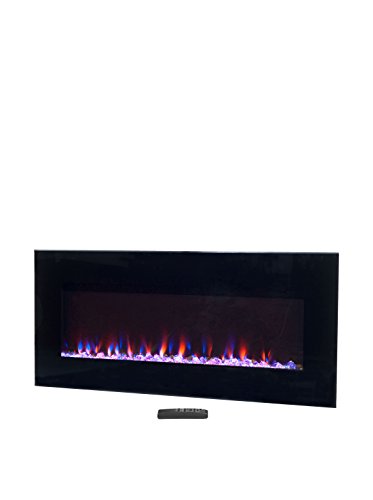
Ethanol fireplaces can be a gorgeous alternative to wood burning stoves without chimneys. To make use of them safely you must take care. First of all, you should not pour additional fuel into the flame while it is lit.
A complete fire set, like Mano Mano's Adam Solus marble fireplace Set with Colorado Bio Ethanol Fire Black PS569 will transform your space quickly.
Cost
Ethanol fireplaces are an excellent option to add a cozy and elegant element to your home without the costs associated with gas or wood fireplaces. They have a few distinct advantages over other fireplaces They don't need the installation of a chimney or flue and they don't cost anything to set up (except for the cost of building an enclosure for the fire). They are portable and can be used indoors and outside. You could even carry them with you when you move house!
You can pick from a range of designs to find the ideal bio-ethanol fireplace stove for your home. Some are freestanding, while others are wall-mounted, or can be inserted into a fireplace or stove. Some can even be controlled remotely! They can also be used outdoors as an outdoor heater. These are a great way to add a bit more warmth to your home during the winter months.
The cost of a fireplace made from bio-ethanol is contingent on the kind of fireplace and features you select. A basic tabletop fireplace model may cost up to $50, while a more expensive one can cost upwards of $600. However, the cost of fuel is considerably less for an ethanol fireplace than the traditional gas or wood fire.
All ethanol fire places come with a burner that burns the fuel and creates flames. Some fireplaces have a built in safety device that prevents overheating or fire dangers. Some are operated manually using a lighter, match or lighter. In addition the bio-ethanol fireplace may be set to extinguish at any time, but preserving the rest of the fuel.
The typical cost for a bio-ethanol fireplace is PS300 or less, however you should expect to pay more for a larger and more sophisticated model. The cost can also vary according to the type of burner and whether it's an automated or manual burner. The automatic bio-ethanol model can be more expensive than a manual model. However, the added features make it well worth the money.
Before you purchase an Ethanol fireplace, be aware of the costs of installation and fuel. If you're not comfortable installing a fireplace on your own, hire a professional installer to install it for you. The installation cost is considerably cheaper than installing a conventional gas or wood fireplace and it will save you money in the long run.
Energy efficiency
Unlike traditional fireplaces that require a chimney as well as fuels like wood, coal or gas fires that can create carbon monoxide and pollution, bio-ethanol fires emit only odourless smoke and water vapour. They are therefore safer to use indoors, and are a green alternative in comparison to other fire options.
In general bio-ethanol fireplaces are generally considered to be less expensive to run than traditional fireplaces. They also run more efficiently, consuming less energy and generating a lesser amount of heat. They come in a range of styles, from traditional open fire stoves, to the ultra-modern fireplace bioethanol burners which have glass fronts. They can be wall-mounted or free standing and can be used in any space. They can be moved from one home to another, making them perfect for renovations or new construction where chimney breasts have already been removed.
They are safe to use, but there are some things to be aware of. First, don't pour additional fuel into a working bioethanol fire while it's still burning. If you try this, it may cause the flames to spread and possibly ignite nearby materials that are flammable. It is also recommended to avoid touching the nozzle of the burner while it's working.
These fires can also be used in areas where chimneys are not permitted. They are cheaper than open or wood-burning fireplaces because they don't need an chimney or flue. They also require less maintenance, and you can even buy fake flues to complete the appearance of your home.
Another benefit is that they can be used outside and inside, allowing you to enjoy your fireplace all year round. But, you must keep your fireplace away from combustible materials and make sure it isn't placed near furniture or curtains which could easily ignite. Also be sure to never leave a bio-ethanol fireplace in a dark place or move it when it's operating.
Bioethanol fuel is a renewable resource that's made up of plant sugars, yeast and water. It's a more environmentally friendly alternative to fossil fuels like petroleum or coal, as it utilizes modern biological processes instead of geological ones. The process also creates more oxygen and less carbon dioxide than fossil fuels, which means it's better for the planet. Biofuel can be made from both organic and non-organic resources, but it's more commonplace to use agricultural waste to produce bioethanol.
Safety
Bioethanol fireplaces are a safe and environmentally friendly alternative to traditional gas or wood fires. They produce real flames but they burn cleanly without smoke or particulates. They also emit only water vapour and a small amount of carbon dioxide. This is the same CO2 that is taken in by the plants used to produce the fuel and causes less harm to the environment.
It is important to adhere to the safety and usage guidelines provided by the manufacturer when using a bio-fireplace. For instance it is not recommended to add fuel to a burning flame unless it has been completely snuffed out. This is because the bioethanol can splash or spill, and it could cause an explosion that could set flammable objects nearby to catch fire.
It is also advisable to keep flammable items and children away from the flame, since the slightest breeze could send the fuel into flames. It is recommended to store the fuel in a safe and safe place that cannot be accessed by pets or children. If you have questions or concerns about the product, then you should contact the manufacturer.
The Ethanol fireplace is a fantastic option to save money and providing warmth to your home without the hassles of a wood burning stove or chimney. They are simple to operate and can be installed anywhere in your home, including outdoors or inside. They come in a variety of different styles and designs. This makes them a great choice for any style.
Many companies offer full installation services, so that you can set up a bio-ethanol fireplace quickly and easily. Some companies provide a free consultation to help you select. The cost of a bio-ethanol fireplace can vary widely according to a variety of factors, so it's best to get an estimate prior to making the purchase.
The cost of installing a bio-ethanol fire place will depend on the kind of fire you select and the size of your room. Generally you should expect to pay a few hundred dollars for a basic fire and up to several thousand dollars for a more expensive model.
Installation
Ethanol Fireplaces are popular among homeowners who are looking to keep their homes warm. They also provide a great alternative to wood-burning fires. Ethanol is more efficient and produces less ash when compared to wood-burning fireplaces. There are a few aspects to consider prior to purchasing.
First, you should consider whether the fireplace you wish to buy is built-in or freestanding. Many freestanding ethanol fireplaces can be easily relocated from room to room, and some can even be used outdoors. You can build an eco-friendly fireplace that's built-in by yourself or hire an installer. It's worth it. A built-in ethanol fireplace can be a focal point in your home and can boost its value.
Some bio-ethanol fireplaces appear like open fires or woodburning stoves some have a contemporary feel. In any case, they are suitable for indoor use so provided you follow the safety guidelines provided by the manufacturer. In general, you should install a bio-ethanol fireplace in rooms with good airflow. Also, don't put it near anything flammable.
Bioethanol fires are also known for their stunning flames, which create a captivating effect that is perfect for bringing a home's decor together. They are simple to install, and do not require a flue or gas supply, making them ideal for traditional or modern homes. Certain companies offer zero-clearance fireplace inserts that allow you to install custom built-in ethanol fireplaces in non-combustible surrounds.
The cost of an fireplace that is fueled by ethanol can vary based on its size, style, and accessories. It is also important to decide if you want an automatic or manual burner. Manual burners require a lighter or match to light, and also have a smell that some people dislike. A burner that is automated, on the other hand offers many advantages over a manually operated one. It can save you both time and money.
Another benefit of bio-ethanol fireplaces is that you don't need chimneys, making them ideal for homes with newer construction. They are also cheaper than mains gas. However, they do not produce as much heat as kiln-dried logs or electricity, and therefore they should not be your primary heat source.