
11 Methods To Redesign Completely Your Ethanol Fireplace
페이지 정보
작성자 Jocelyn 댓글 0건 조회 6회 작성일 24-09-21 23:28본문
bio-ethanol fires Fireplace Fuel
A freestanding bio-ethanol fireplace is a stunning feature for any room. They can transform the look of a room and increase the value of your home.
Bioethanol is a renewable energy source that is produced by fermenting the sugars and starches from plant byproducts such as sugarcane and grain crops. It is more secure than other fuels and doesn't emit harmful gases.
Eco-friendly
Bio ethanol is an environmentally-friendly alternative to traditional fuels, such as wood or gas fires. It is produced by a natural process that uses sugars and starches that are derived from any plant material, not just edible plants. The result is an ecologically sustainable liquid that releases very little smoke or soot in the air and does not emit harmful emissions. It is also very safe to use, and does not release carcinogenic substances or toxic substances. It is also sustainable and renewable.
Another advantage of bio ethanol is its cost-efficiency. It might seem expensive at first compared to other fuels but it is cheaper in the long term due to its low running costs and operating costs. Its energy efficiency also helps reduce carbon dioxide emissions, thereby reducing environmental pollution.
Ethanol fires are also more versatile than other types. They can be set up indoors or outdoors, and some models are even portable so that they can be moved around the house. They do not need a gas supply or a flue to operate. This makes them ideal for homes that are new or who don't have chimney breasts or don't have a gas supply.
When choosing a bio-ethanol fireplace, consider the size of your space and the power required to heat it. A large space will require a bigger unit and more fuel in order to heat it. Consider safety features such as automatic shutoff systems for fuel and flame detectors.
The bio ethanol fire must be kept in a secure space, away from the flammable materials. Keep the fuel tank and burner free of any debris and dust. Lastly, you should always shut the lid once you are done using the fire, and wait a few minutes before refilling it.
It is recommended to use only high-quality bio ethanol for your ethanol fire. The purity of the fuel and higher percentages will lead to greater performance, including longer burn times. You should also avoid adding any other substances to the flame, such as wood or paper.
Freestanding
The freestanding Ethanol fireplace is an excellent alternative for traditional gas and wood fires. They are non-odourless and don't require chimneys. They are also safe to use indoors. They also add a distinctive element to any room. Ethanol fires can be found in a variety of sizes and styles, from tabletop models to wall-mounted units.
When using a bioethanol fireplace, it's important to follow the safety guidelines to avoid injuries or accidents. First, do not pour additional fuel into a flame that is open and employ a lighter instead of matches. It is also recommended to use only bioethanol fuel designed specifically for use in these fireplaces. Other types can burn differently and can create dangerous fumes.
The primary benefit of bioethanol fireplaces is that they don't produce harmful byproducts, such as carbon monoxide and soot. Instead it generates water and clean energy from the fermentation of plant byproducts such as sugars and. These plants can include industrial crops like wheat and corn as well as wood byproducts such as sawdust and paper pulp.
Another benefit of a bioethanol fuel fireplace fireplace is that they are very easy to use. They can be turned off and on by simply opening the lid or pushing a button. Some come with remote controls that make operation safer and easier. These features are ideal for homes with pets or small children, as they protect against accidents.
Ethanol Fireplaces can be installed anywhere in the house. However they are most effective in the living room and kitchen. The flames can be very soothing and can help you relax after an exhausting day. They also help keep you warm in winter because they produce plenty of heat.
Ethanol fireplaces are also a good alternative for those suffering from allergies or respiratory problems. They're a great source for warmth, but they do not provide the same level of comfort as wood-burning fireplaces. The temperature also varies depending on the humidity of the space, so it's a good idea to install an indoor vent. This will ensure the air is properly ventilated and will prevent any buildup of toxic substances within your home.
Easy to install
Ethanol fires are relatively simple to set up. They are lightweight and are able to be moved easily from one room into another. This makes them ideal for homes without a chimney breast or fireplace. They can also be put in wall studs or as a built-in design.
They are safe to use if used properly, however they should be kept out of the reach of children and pets. The majority of bio flame fireplace fires have the safety feature to stop the fire from burning once the flame has been put out. They also stop overheating and can be turned down, or even completely extinguished when needed. The ethanol fireplaces are much safer than wood-burning fires, and are not a source of harmful emissions.
There are many different types of ethanol fireplaces, ranging from traditional log burners to sleek, sculptural pieces of functional art. The style that you choose will be determined by the dimensions of the fireplace as well as the fuel type you wish to use. Choosing a style that fits your decor will ensure you're happy with the finished result. You can get plenty of ideas on our Fireplace Design Ideas pages.
Whether you want to hang a prefabricated wall-mounted ethanol fireplace, or install it into a plasterboard, the installation process is the same. All you have to do is ensure that the studs are sturdy enough to support the fireplace, and that the opening in your structure or walls is large enough for it. If you opt for the second option, it is recommended that you engage an expert to construct your fireplace.
The majority of ethanol-burning fires are cost-effective to run, however they're not the most efficient method to heat your home. They don't produce as much heat as a wood-burning fire and they require an extensive amount of maintenance. It is important to ensure that your room is adequately insulated and avoid running the fire too long. Finally, you should store your spare ethanol fuel away from the fireplace to avoid accidental ignition. Follow the instructions of the manufacturer when refilling the fire before lighting it. Keep it away from fire-prone items like furniture and curtains.
Easy to clean
Ethanol fireplace fuel can be cleaned much more easily than wood-burning fireplaces. It does not produce ash or smoke and can be used with or without a flue. The fire produces a beautiful dancing light and doesn't emit harmful fumes. It is crucial to choose bio-ethanol fireplaces using the right procedures.
Make sure your bio-ethanol burner is turned off and has cooled down before you begin using it. If it's still warm, the recessed ethanol fireplace could evaporate into the air and cause serious injury. Also, it's recommended to allow the entire fireplace to cool down before trying to fill it. This will avoid a potential fire hazard and permit you to use your fireplace for longer periods of time.
Close the lid of the burner when you are ready to refill. Take a break for 60 seconds to give any remaining vapors to dissipate then ignite the fireplace again. Hold an elongated lighter, or fireplace match, in front of the burner's opening and wait until the flame starts to combust. After the flame has gone out, close the burner lid and let it sit for a couple of minutes until it's completely cool.
If you'd like to clean the burner, you can use a damp cloth and mild soap. You can then wipe the burner with a clean, dry cloth. This will ensure that there isn't any residue left. Then, you should set it aside to dry completely. If you have a stainless steel fireplace insert, you can use the same technique to clean it.
Although ethanol fireplaces are easier to clean than wood-burning fireplaces, they're not completely safe. They can still be messy, and it's essential to take the appropriate precautions to shield your home and yourself from possible hazards.
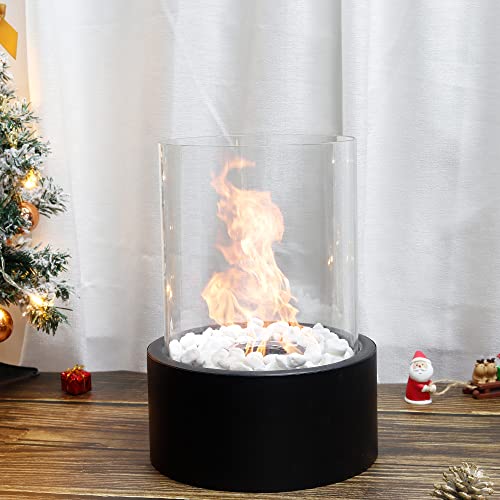 If you use them correctly, you can enjoy a stylish and elegant alternative to your traditional fireplace. They can be utilized in any home as they do not require a chimney or flue. You can choose different fuels for the fire so you can mix it according to your mood. The only drawback of bio-ethanol is the cost, especially if it's used regularly.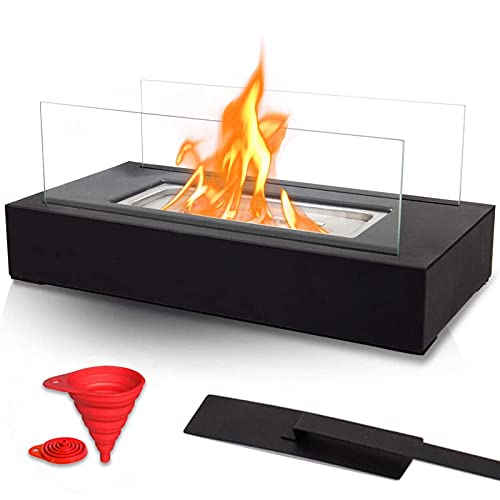
A freestanding bio-ethanol fireplace is a stunning feature for any room. They can transform the look of a room and increase the value of your home.
Bioethanol is a renewable energy source that is produced by fermenting the sugars and starches from plant byproducts such as sugarcane and grain crops. It is more secure than other fuels and doesn't emit harmful gases.
Eco-friendly
Bio ethanol is an environmentally-friendly alternative to traditional fuels, such as wood or gas fires. It is produced by a natural process that uses sugars and starches that are derived from any plant material, not just edible plants. The result is an ecologically sustainable liquid that releases very little smoke or soot in the air and does not emit harmful emissions. It is also very safe to use, and does not release carcinogenic substances or toxic substances. It is also sustainable and renewable.
Another advantage of bio ethanol is its cost-efficiency. It might seem expensive at first compared to other fuels but it is cheaper in the long term due to its low running costs and operating costs. Its energy efficiency also helps reduce carbon dioxide emissions, thereby reducing environmental pollution.
Ethanol fires are also more versatile than other types. They can be set up indoors or outdoors, and some models are even portable so that they can be moved around the house. They do not need a gas supply or a flue to operate. This makes them ideal for homes that are new or who don't have chimney breasts or don't have a gas supply.
When choosing a bio-ethanol fireplace, consider the size of your space and the power required to heat it. A large space will require a bigger unit and more fuel in order to heat it. Consider safety features such as automatic shutoff systems for fuel and flame detectors.
The bio ethanol fire must be kept in a secure space, away from the flammable materials. Keep the fuel tank and burner free of any debris and dust. Lastly, you should always shut the lid once you are done using the fire, and wait a few minutes before refilling it.
It is recommended to use only high-quality bio ethanol for your ethanol fire. The purity of the fuel and higher percentages will lead to greater performance, including longer burn times. You should also avoid adding any other substances to the flame, such as wood or paper.
Freestanding
The freestanding Ethanol fireplace is an excellent alternative for traditional gas and wood fires. They are non-odourless and don't require chimneys. They are also safe to use indoors. They also add a distinctive element to any room. Ethanol fires can be found in a variety of sizes and styles, from tabletop models to wall-mounted units.
When using a bioethanol fireplace, it's important to follow the safety guidelines to avoid injuries or accidents. First, do not pour additional fuel into a flame that is open and employ a lighter instead of matches. It is also recommended to use only bioethanol fuel designed specifically for use in these fireplaces. Other types can burn differently and can create dangerous fumes.
The primary benefit of bioethanol fireplaces is that they don't produce harmful byproducts, such as carbon monoxide and soot. Instead it generates water and clean energy from the fermentation of plant byproducts such as sugars and. These plants can include industrial crops like wheat and corn as well as wood byproducts such as sawdust and paper pulp.
Another benefit of a bioethanol fuel fireplace fireplace is that they are very easy to use. They can be turned off and on by simply opening the lid or pushing a button. Some come with remote controls that make operation safer and easier. These features are ideal for homes with pets or small children, as they protect against accidents.
Ethanol Fireplaces can be installed anywhere in the house. However they are most effective in the living room and kitchen. The flames can be very soothing and can help you relax after an exhausting day. They also help keep you warm in winter because they produce plenty of heat.
Ethanol fireplaces are also a good alternative for those suffering from allergies or respiratory problems. They're a great source for warmth, but they do not provide the same level of comfort as wood-burning fireplaces. The temperature also varies depending on the humidity of the space, so it's a good idea to install an indoor vent. This will ensure the air is properly ventilated and will prevent any buildup of toxic substances within your home.
Easy to install
Ethanol fires are relatively simple to set up. They are lightweight and are able to be moved easily from one room into another. This makes them ideal for homes without a chimney breast or fireplace. They can also be put in wall studs or as a built-in design.
They are safe to use if used properly, however they should be kept out of the reach of children and pets. The majority of bio flame fireplace fires have the safety feature to stop the fire from burning once the flame has been put out. They also stop overheating and can be turned down, or even completely extinguished when needed. The ethanol fireplaces are much safer than wood-burning fires, and are not a source of harmful emissions.
There are many different types of ethanol fireplaces, ranging from traditional log burners to sleek, sculptural pieces of functional art. The style that you choose will be determined by the dimensions of the fireplace as well as the fuel type you wish to use. Choosing a style that fits your decor will ensure you're happy with the finished result. You can get plenty of ideas on our Fireplace Design Ideas pages.
Whether you want to hang a prefabricated wall-mounted ethanol fireplace, or install it into a plasterboard, the installation process is the same. All you have to do is ensure that the studs are sturdy enough to support the fireplace, and that the opening in your structure or walls is large enough for it. If you opt for the second option, it is recommended that you engage an expert to construct your fireplace.
The majority of ethanol-burning fires are cost-effective to run, however they're not the most efficient method to heat your home. They don't produce as much heat as a wood-burning fire and they require an extensive amount of maintenance. It is important to ensure that your room is adequately insulated and avoid running the fire too long. Finally, you should store your spare ethanol fuel away from the fireplace to avoid accidental ignition. Follow the instructions of the manufacturer when refilling the fire before lighting it. Keep it away from fire-prone items like furniture and curtains.
Easy to clean
Ethanol fireplace fuel can be cleaned much more easily than wood-burning fireplaces. It does not produce ash or smoke and can be used with or without a flue. The fire produces a beautiful dancing light and doesn't emit harmful fumes. It is crucial to choose bio-ethanol fireplaces using the right procedures.
Make sure your bio-ethanol burner is turned off and has cooled down before you begin using it. If it's still warm, the recessed ethanol fireplace could evaporate into the air and cause serious injury. Also, it's recommended to allow the entire fireplace to cool down before trying to fill it. This will avoid a potential fire hazard and permit you to use your fireplace for longer periods of time.
Close the lid of the burner when you are ready to refill. Take a break for 60 seconds to give any remaining vapors to dissipate then ignite the fireplace again. Hold an elongated lighter, or fireplace match, in front of the burner's opening and wait until the flame starts to combust. After the flame has gone out, close the burner lid and let it sit for a couple of minutes until it's completely cool.
If you'd like to clean the burner, you can use a damp cloth and mild soap. You can then wipe the burner with a clean, dry cloth. This will ensure that there isn't any residue left. Then, you should set it aside to dry completely. If you have a stainless steel fireplace insert, you can use the same technique to clean it.
Although ethanol fireplaces are easier to clean than wood-burning fireplaces, they're not completely safe. They can still be messy, and it's essential to take the appropriate precautions to shield your home and yourself from possible hazards.
If you use them correctly, you can enjoy a stylish and elegant alternative to your traditional fireplace. They can be utilized in any home as they do not require a chimney or flue. You can choose different fuels for the fire so you can mix it according to your mood. The only drawback of bio-ethanol is the cost, especially if it's used regularly.