
What Is Drip Filter Coffee And Why Is Everyone Talking About It?
페이지 정보
작성자 Wilson 댓글 0건 조회 3회 작성일 24-09-21 22:14본문
The Benefits of small drip coffee maker Filter Coffee
It is common to brew coffee using drip filter. It's convenient and requires less hands-on work than pouring over.
It also gives consistency, which is helpful for those who drink coffee. What is machine drip coffee filter coffee exactly? What is it that makes it different from other brewing methods?
Paper filter
Paper filters are the most commonly used type of filter used in drip coffee making. They are inexpensive and easy to use, and can produce the perfect cup of coffee with the least amount of residue or sediment. They are also biodegradable, which makes them a great choice for those concerned with environmental issues. However they are more vulnerable than other products to odors and flavors so it is crucial to rinse them after every use.
When choosing a filter you should take into consideration its thickness, size, and color. Filters that are darker and thicker tend to hold more micro-grounds and oils than filters that are lighter. This can alter the flavor of the final beverage by affecting the mouthfeel and body. The filter's material will also affect its performance and durability.
A paper filter is constructed from plant fibers, usually wood pulp. These fibers are tightly woven which means they will absorb most of the micro-grounds and oils that are present in the brewed coffee. This is a good thing however it can also have a negative impact on the flavor of the coffee. This is why a lot of baristas and coffee drinkers at home prefer to pre-wet their filter papers with hot water before making coffee. This will help wash off any flavor that is papery and also warms the filter coffee makers and your serving vessel.
The finest paper filters will be made of high-quality materials and have a smaller pore sizes. They are also chlorine-free or oxygen bleached. This will decrease the amount of chlorine released into the brewing process and result in an improved flavor and a healthier cup of coffee. These types of filters can be reused, and can be used for up to 100 brews prior to transferring foreign flavors or clogging.
There are several types of coffee filters available, and each offers distinct advantages. One of the most well-known is the cone-shaped filter, invented by Melitta in 1908. This is the most common shape that you will see in a variety of drip brewing equipment in the present. This type of filter lets the majority of coffee oil to go through, which results in an alcoholic beverage that is more robust and rich. This type of filter can increase the amount of cafestol and kahweol that is in the beverage.
Metal filter
Metal filters are a common choice for pour-over coffee makers. They allow more of the coffee's oils to flow through, creating an effervescent cup of coffee with more body than paper filters. Metal filters can be reused, which makes them a more environmentally friendly alternative to disposable paper filters. However, you should only use metal filters for manual brew methods like the pour over method. This can result in the coffee to overflow, resulting in a bitter taste. The stainless steel mesh may also react with coffee compounds, giving it an odor and taste of metallic.
In contrast to paper filters, metal filters are made of stainless steel. They don't absorb any of the coffee grounds. They can remove more cafetol, kahweol and other substances found in coffee beans. Diterpenes have been associated with a variety of health hazards, such as high blood pressure and heart attacks. They also obstruct the circulation of blood through your veins, which could increase the risk of having a stroke. A metal filter will help reduce the amount of cafetol or kahweol which is present in your coffee.
A filter made of metal can remove the taste of lead and tin in your coffee. You can also brew coffee that is free of dirt and other contaminants through the use of a metal filter. It is best to try out a few different filters before choosing the one that's best for you.
The ideal filter will depend on a number of aspects, such as the method of brewing and your personal preferences. It is also important to think about your health and sustainability goals. Paper filters are the best filter coffee machine uk option for those who drink coffee and have health issues. If you're a coffee lover who is concerned about their health and likes a full-bodied coffee, a metal coffee filter may be the best option for you.
The process of brewing
A drip coffee maker is an apparatus that seeps filtered water through ground and roasted coffee beans. The water is forced through the grounds by gravity, taking in essences and oils. The water then flows through the filters before being absorbed in a container for collection. This method can be utilized with automatic coffee makers or manually. It is embraced by the specialty coffee industry and is often employed in competitions and specialty cafes. The brewing method varies depending on the size and type of the equipment. There are a variety of variations.
To make an excellent cup, rinse the coffee grinds with hot water. Then, heat the filter. Put the grinds in the filter that you can reuse and gently tamp them down to ensure that they are evenly distributed. Then, rinse your filter with hot water to eliminate the taste of paper. This will stop channelling when the coffee grounds begin to rise and flow out of your filter. It is also recommended to pour the water in a circular manner instead of a single rapid flow. This will help to prevent over-extraction, which can cause the coffee to taste bitter.
Once the coffee grounds are properly tamped, begin by heating water in a kettle to about 200ml per cup. This step can be done using filtered or bottle drinking water, but it must be of high quality. Pour the water over the coffee grounds after it has cooled to the safe temperature. This guide will help you find the ideal temperature for your grounds.
The brew time is also important and you should play around with it until you find the perfect filter coffee to suit your tastes. A shorter brew time will result in less extraction, while a longer one will result in over-extraction.
Health benefits
If you're a coffee drinker, you know that regular cups of the beverage can increase your metabolism and provide energy. Did you know that your brewing method can affect the amount of caffeine in your coffee? drip coffeee (mouse click the following post) filter coffee is among the most well-known brewing methods and has been linked to health benefits, including lower cholesterol levels and lower risk of developing type 2 diabetes. In fact, according to a new study, drip filter coffee may be the most effective way to get your daily dose of java.
Researchers in Norway studied the effects of the unfiltered and filtered versions of coffee and found that those who drank 2 to 4 cups of filtered coffee per day had an average risk of 12 percent lower for suffering from cardiovascular disease as when compared to those who didn't consume coffee. Researchers concluded that the differences in mortality rates were due to differences in levels of cholesterol-raising phytochemicals present in the coffee. Unfiltered coffees, like those made with Turkish press or French presses are more concentrated in cafestol and Kahweol, both of which are recognized as cholesterol-raising phytochemicals. The filtration process in drip coffee eliminates these phytochemicals. This could explain why the filtered coffee was associated with a lower death rate.
Another reason to drink the filter coffee cup is healthier is that it contains fewer calories and less caffeine than other varieties of coffee. This is due to the fact that the water flows through the coffee beans that have been roasted before it is poured into your cup. Drip filter coffee is softer and has a less acidic taste than other types.
It is vital to remember, however, that filter coffee should be consumed in moderation. In excess, coffee can lead to high blood pressure, insomnia, anxiety gastroesophageal acid reflux disorder, and heart arrhythmias. People with certain medical conditions are also advised against drinking coffee, including those with endometrial and liver cancers, Parkinson's disease and depression.
A cup of filter-coffee may improve your mood, and help you focus. It's also a good option for those who are on a low carb diet since it can help you stay full.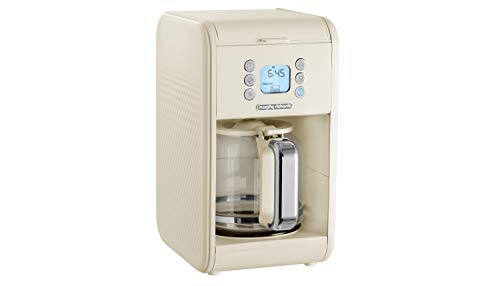
It is common to brew coffee using drip filter. It's convenient and requires less hands-on work than pouring over.
It also gives consistency, which is helpful for those who drink coffee. What is machine drip coffee filter coffee exactly? What is it that makes it different from other brewing methods?
Paper filter
Paper filters are the most commonly used type of filter used in drip coffee making. They are inexpensive and easy to use, and can produce the perfect cup of coffee with the least amount of residue or sediment. They are also biodegradable, which makes them a great choice for those concerned with environmental issues. However they are more vulnerable than other products to odors and flavors so it is crucial to rinse them after every use.
When choosing a filter you should take into consideration its thickness, size, and color. Filters that are darker and thicker tend to hold more micro-grounds and oils than filters that are lighter. This can alter the flavor of the final beverage by affecting the mouthfeel and body. The filter's material will also affect its performance and durability.
A paper filter is constructed from plant fibers, usually wood pulp. These fibers are tightly woven which means they will absorb most of the micro-grounds and oils that are present in the brewed coffee. This is a good thing however it can also have a negative impact on the flavor of the coffee. This is why a lot of baristas and coffee drinkers at home prefer to pre-wet their filter papers with hot water before making coffee. This will help wash off any flavor that is papery and also warms the filter coffee makers and your serving vessel.
The finest paper filters will be made of high-quality materials and have a smaller pore sizes. They are also chlorine-free or oxygen bleached. This will decrease the amount of chlorine released into the brewing process and result in an improved flavor and a healthier cup of coffee. These types of filters can be reused, and can be used for up to 100 brews prior to transferring foreign flavors or clogging.
There are several types of coffee filters available, and each offers distinct advantages. One of the most well-known is the cone-shaped filter, invented by Melitta in 1908. This is the most common shape that you will see in a variety of drip brewing equipment in the present. This type of filter lets the majority of coffee oil to go through, which results in an alcoholic beverage that is more robust and rich. This type of filter can increase the amount of cafestol and kahweol that is in the beverage.
Metal filter
Metal filters are a common choice for pour-over coffee makers. They allow more of the coffee's oils to flow through, creating an effervescent cup of coffee with more body than paper filters. Metal filters can be reused, which makes them a more environmentally friendly alternative to disposable paper filters. However, you should only use metal filters for manual brew methods like the pour over method. This can result in the coffee to overflow, resulting in a bitter taste. The stainless steel mesh may also react with coffee compounds, giving it an odor and taste of metallic.
In contrast to paper filters, metal filters are made of stainless steel. They don't absorb any of the coffee grounds. They can remove more cafetol, kahweol and other substances found in coffee beans. Diterpenes have been associated with a variety of health hazards, such as high blood pressure and heart attacks. They also obstruct the circulation of blood through your veins, which could increase the risk of having a stroke. A metal filter will help reduce the amount of cafetol or kahweol which is present in your coffee.
A filter made of metal can remove the taste of lead and tin in your coffee. You can also brew coffee that is free of dirt and other contaminants through the use of a metal filter. It is best to try out a few different filters before choosing the one that's best for you.
The ideal filter will depend on a number of aspects, such as the method of brewing and your personal preferences. It is also important to think about your health and sustainability goals. Paper filters are the best filter coffee machine uk option for those who drink coffee and have health issues. If you're a coffee lover who is concerned about their health and likes a full-bodied coffee, a metal coffee filter may be the best option for you.
The process of brewing
A drip coffee maker is an apparatus that seeps filtered water through ground and roasted coffee beans. The water is forced through the grounds by gravity, taking in essences and oils. The water then flows through the filters before being absorbed in a container for collection. This method can be utilized with automatic coffee makers or manually. It is embraced by the specialty coffee industry and is often employed in competitions and specialty cafes. The brewing method varies depending on the size and type of the equipment. There are a variety of variations.
To make an excellent cup, rinse the coffee grinds with hot water. Then, heat the filter. Put the grinds in the filter that you can reuse and gently tamp them down to ensure that they are evenly distributed. Then, rinse your filter with hot water to eliminate the taste of paper. This will stop channelling when the coffee grounds begin to rise and flow out of your filter. It is also recommended to pour the water in a circular manner instead of a single rapid flow. This will help to prevent over-extraction, which can cause the coffee to taste bitter.
Once the coffee grounds are properly tamped, begin by heating water in a kettle to about 200ml per cup. This step can be done using filtered or bottle drinking water, but it must be of high quality. Pour the water over the coffee grounds after it has cooled to the safe temperature. This guide will help you find the ideal temperature for your grounds.
The brew time is also important and you should play around with it until you find the perfect filter coffee to suit your tastes. A shorter brew time will result in less extraction, while a longer one will result in over-extraction.
Health benefits
If you're a coffee drinker, you know that regular cups of the beverage can increase your metabolism and provide energy. Did you know that your brewing method can affect the amount of caffeine in your coffee? drip coffeee (mouse click the following post) filter coffee is among the most well-known brewing methods and has been linked to health benefits, including lower cholesterol levels and lower risk of developing type 2 diabetes. In fact, according to a new study, drip filter coffee may be the most effective way to get your daily dose of java.
Researchers in Norway studied the effects of the unfiltered and filtered versions of coffee and found that those who drank 2 to 4 cups of filtered coffee per day had an average risk of 12 percent lower for suffering from cardiovascular disease as when compared to those who didn't consume coffee. Researchers concluded that the differences in mortality rates were due to differences in levels of cholesterol-raising phytochemicals present in the coffee. Unfiltered coffees, like those made with Turkish press or French presses are more concentrated in cafestol and Kahweol, both of which are recognized as cholesterol-raising phytochemicals. The filtration process in drip coffee eliminates these phytochemicals. This could explain why the filtered coffee was associated with a lower death rate.
Another reason to drink the filter coffee cup is healthier is that it contains fewer calories and less caffeine than other varieties of coffee. This is due to the fact that the water flows through the coffee beans that have been roasted before it is poured into your cup. Drip filter coffee is softer and has a less acidic taste than other types.
It is vital to remember, however, that filter coffee should be consumed in moderation. In excess, coffee can lead to high blood pressure, insomnia, anxiety gastroesophageal acid reflux disorder, and heart arrhythmias. People with certain medical conditions are also advised against drinking coffee, including those with endometrial and liver cancers, Parkinson's disease and depression.
A cup of filter-coffee may improve your mood, and help you focus. It's also a good option for those who are on a low carb diet since it can help you stay full.