
So , You've Purchased Drip Filter ... Now What?
페이지 정보
작성자 Sergio 댓글 0건 조회 3회 작성일 24-09-21 21:52본문
Drip Filter Coffee
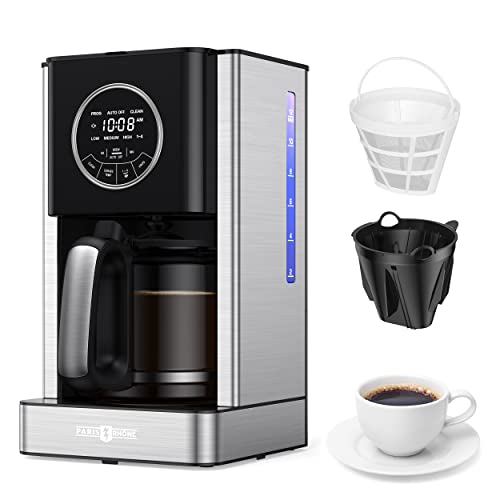 Drip filter coffee is a well-known method that extracts the rich aromas and flavors of coffee grounds with either a metal or paper filter. It is a great level of control and is easy to use.
The first step is heating water. Then, soak the filter paper and put it in the brewing device.
It is easy to use
Drip filter coffee is a popular method for brewing delicious cups of coffee. It is simple and quick and allows you to brew large quantities at once without having to worry about over-brewing. Paper filters are the most well-known because they are disposable and cost-effective. Another option is using metal filters that allow more oils and fine particles to pass through and create a richer, fuller-bodied brew.
There are a variety of methods to make drip coffee, including automated machines that heat water and pour it over the grounds in a filter basket. This method is simple and quick, however it may not have the same subtleties as manual methods such as pour-over. Drip coffee makers are available in various designs and prices, ranging from the basic filter holders to the high-tech models with programmable settings.
If you're new to drip brewing, the best method to get started is with the manual drip coffee maker or a filter and cup. This set-up is easy to set up and is relatively cheap however, you need to know how to make the most of it. The first step is to get your water heated to the right temperature. It should be a bit below boiling, but not so hot that it evaporates. Next, wet your filter paper with some of the hot water and then wring it out. This will remove any taste of paper that might make coffee taste bad.
Once the filter paper has become wet, place it over an aerator and add your coffee grounds. Be sure to use the same amount of grounds as water. Pour twice as much water over the grounds. This technique prevents channelling and assists in helping the coffee grounds settle and expand in contact with the water. Wait 30 to 45 seconds for the ground to settle and become soaked.
Then, drip the remaining water over the area. It is important to pour the water slowly and evenly so that it doesn't overflow or form a puddle. A slow even pour will ensure that your drip brew [click this over here now] tastes delicious and balanced.
It is healthier
According to a Swedish study filtering coffee is better than coffee that is unfiltered. Researchers found that those who drank between 1 to 4 cups of filtered coffee per day had a lower chance of dying from heart disease or other causes than those who did not drink any coffee at all. The reason for this is because the filtration process eliminates cafestol and Kahweol, lipid compounds that raise cholesterol levels. The coffee that is filtered coffee makers also contains less diterpenes, which may increase the risk of developing atherosclerosis.
However, drip-filter coffee isn't the ideal choice for everyone. The majority of drip coffee machines contain a large amount of plastic, which can affect your health. Some of these chemicals, like bisphenol A (BPA), can alter the endocrine system, leading to hormonal imbalance and infertility. BPA can also trigger numerous other health issues, such as Alzheimer's and Parkinson's diseases.
Make sure you choose a drip filter with a stainless-steel mesh filter when you decide to purchase one. This type of filter allows more particles and oils to pass through, resulting in a fuller-bodied coffee. It is also much simpler to clean than paper filters and can be used for a long time without the need to replace.
Another benefit of drip filter coffee is its consistency. The drip-drip method allows you to regulate the amount of water flowing through the grounds, which helps prevent under- or over-extraction of the coffee's flavor. However, it is recommended to use a high-quality grinder to ensure that the coffee is roasted evenly.
Drip filter coffee is also more expensive than other varieties of coffee. It's worth the price for its convenience and flavor. Arabica beans are used to create the most well-known drip-filter coffee brands. They are smooth and rich in flavor. They are available in a variety of flavors, including dark and medium roasts.
Pulse pouring is an innovative method to brew drip-filter coffee. It involves pouring multiple times of water onto the grounds to ensure that they are all saturated. This method also helps to reduce channelling and the tendency of grounds to rise into the sides of the filter.
It's cheaper
Drip filter coffee is cheaper than other types of coffee. It can be made at home with an inexpensive drip machine, and it doesn't require special equipment or knowledge. It's also simple to make and tastes delicious. Drip coffee also contains less caffeine than other methods of brewing and is therefore an ideal choice for those who have sensitive stomachs.
Dripping coffee is also more stable than other methods of brewing. The water is dripped at a constant rate, ensuring that every cup will have the same flavor and consistency. It's also easier to control the temperature. This is crucial for those who make large quantities of coffee.
With drip brewing, it is important to select the right grind. A coarser grind will release more solids that are soluble. This will produce a more robust coffee with more body.
A fine grind can cause water to drip excessively and result in an over-extraction. This could result in bitter or bitter coffee. It's important to use the right filter. A paper filter will keep most of the coffee oils, which can alter the flavor and smell of your coffee. A metal or cloth filters will let the oils pass through, allowing you drink a more wholesome cup of coffee.
It is easy to use
It is popular to prepare your morning cup with drip filter coffee. It is easy to make and can be made easily. To make drip filter coffee, just add your ground coffee to the paper filter and pour hot water over it. The water soaks into the grounds, absorbing their essences and oils, before passing through the filter and dropping into a pot or carafe.
You can make a great drip filter coffee as simple or as complicated as you like. The right coffee makers drip and equipment are the key to success. A filter that is specially designed can enhance the flavor of your drink, while also reducing the amount of sediment that is in your drink. It is also recommended to make use of spring or filtered water instead of tap water to ensure the flavors in your brew are authentic.
Depending on the kind of dripper coffee maker you're making, you may require a different type of filter. The shape of the filter can affect extraction as well as the taste. Cone-shaped filter are ideal as they permit the flow of water to be more evenly distributed over the entire area.
It is also important to consider the temperature of your water when brewing drip filter coffee. Water should be between 195-205 degrees Fahrenheit. This will ensure the best flavor and stop your coffee from becoming bitter or acidic.
You can make a drip filter coffee by using a number of different machines. They include manual and electric models. A majority of models include an insulated carafe and reservoir for water and a control panel. The latter is used to set the desired brewing time. You can also pick from a variety of cups to suit your preferences.
A drip filter coffee can be an ideal option for people who need a quick cup of joe in the morning. It's easy and quick and many machines come with preset options that let you to prepare your coffee the night before. It is essential to keep the machine clean because calcium deposits accumulate over time and affect the taste of coffee. To avoid a bitter or dirty taste, you should also change your filter frequently.
Drip filter coffee is a well-known method that extracts the rich aromas and flavors of coffee grounds with either a metal or paper filter. It is a great level of control and is easy to use.The first step is heating water. Then, soak the filter paper and put it in the brewing device.
It is easy to use
Drip filter coffee is a popular method for brewing delicious cups of coffee. It is simple and quick and allows you to brew large quantities at once without having to worry about over-brewing. Paper filters are the most well-known because they are disposable and cost-effective. Another option is using metal filters that allow more oils and fine particles to pass through and create a richer, fuller-bodied brew.
There are a variety of methods to make drip coffee, including automated machines that heat water and pour it over the grounds in a filter basket. This method is simple and quick, however it may not have the same subtleties as manual methods such as pour-over. Drip coffee makers are available in various designs and prices, ranging from the basic filter holders to the high-tech models with programmable settings.
If you're new to drip brewing, the best method to get started is with the manual drip coffee maker or a filter and cup. This set-up is easy to set up and is relatively cheap however, you need to know how to make the most of it. The first step is to get your water heated to the right temperature. It should be a bit below boiling, but not so hot that it evaporates. Next, wet your filter paper with some of the hot water and then wring it out. This will remove any taste of paper that might make coffee taste bad.
Once the filter paper has become wet, place it over an aerator and add your coffee grounds. Be sure to use the same amount of grounds as water. Pour twice as much water over the grounds. This technique prevents channelling and assists in helping the coffee grounds settle and expand in contact with the water. Wait 30 to 45 seconds for the ground to settle and become soaked.
Then, drip the remaining water over the area. It is important to pour the water slowly and evenly so that it doesn't overflow or form a puddle. A slow even pour will ensure that your drip brew [click this over here now] tastes delicious and balanced.
It is healthier
According to a Swedish study filtering coffee is better than coffee that is unfiltered. Researchers found that those who drank between 1 to 4 cups of filtered coffee per day had a lower chance of dying from heart disease or other causes than those who did not drink any coffee at all. The reason for this is because the filtration process eliminates cafestol and Kahweol, lipid compounds that raise cholesterol levels. The coffee that is filtered coffee makers also contains less diterpenes, which may increase the risk of developing atherosclerosis.
However, drip-filter coffee isn't the ideal choice for everyone. The majority of drip coffee machines contain a large amount of plastic, which can affect your health. Some of these chemicals, like bisphenol A (BPA), can alter the endocrine system, leading to hormonal imbalance and infertility. BPA can also trigger numerous other health issues, such as Alzheimer's and Parkinson's diseases.
Make sure you choose a drip filter with a stainless-steel mesh filter when you decide to purchase one. This type of filter allows more particles and oils to pass through, resulting in a fuller-bodied coffee. It is also much simpler to clean than paper filters and can be used for a long time without the need to replace.
Another benefit of drip filter coffee is its consistency. The drip-drip method allows you to regulate the amount of water flowing through the grounds, which helps prevent under- or over-extraction of the coffee's flavor. However, it is recommended to use a high-quality grinder to ensure that the coffee is roasted evenly.
Drip filter coffee is also more expensive than other varieties of coffee. It's worth the price for its convenience and flavor. Arabica beans are used to create the most well-known drip-filter coffee brands. They are smooth and rich in flavor. They are available in a variety of flavors, including dark and medium roasts.
Pulse pouring is an innovative method to brew drip-filter coffee. It involves pouring multiple times of water onto the grounds to ensure that they are all saturated. This method also helps to reduce channelling and the tendency of grounds to rise into the sides of the filter.
It's cheaper
Drip filter coffee is cheaper than other types of coffee. It can be made at home with an inexpensive drip machine, and it doesn't require special equipment or knowledge. It's also simple to make and tastes delicious. Drip coffee also contains less caffeine than other methods of brewing and is therefore an ideal choice for those who have sensitive stomachs.
Dripping coffee is also more stable than other methods of brewing. The water is dripped at a constant rate, ensuring that every cup will have the same flavor and consistency. It's also easier to control the temperature. This is crucial for those who make large quantities of coffee.
With drip brewing, it is important to select the right grind. A coarser grind will release more solids that are soluble. This will produce a more robust coffee with more body.
A fine grind can cause water to drip excessively and result in an over-extraction. This could result in bitter or bitter coffee. It's important to use the right filter. A paper filter will keep most of the coffee oils, which can alter the flavor and smell of your coffee. A metal or cloth filters will let the oils pass through, allowing you drink a more wholesome cup of coffee.
It is easy to use
It is popular to prepare your morning cup with drip filter coffee. It is easy to make and can be made easily. To make drip filter coffee, just add your ground coffee to the paper filter and pour hot water over it. The water soaks into the grounds, absorbing their essences and oils, before passing through the filter and dropping into a pot or carafe.
You can make a great drip filter coffee as simple or as complicated as you like. The right coffee makers drip and equipment are the key to success. A filter that is specially designed can enhance the flavor of your drink, while also reducing the amount of sediment that is in your drink. It is also recommended to make use of spring or filtered water instead of tap water to ensure the flavors in your brew are authentic.
Depending on the kind of dripper coffee maker you're making, you may require a different type of filter. The shape of the filter can affect extraction as well as the taste. Cone-shaped filter are ideal as they permit the flow of water to be more evenly distributed over the entire area.
It is also important to consider the temperature of your water when brewing drip filter coffee. Water should be between 195-205 degrees Fahrenheit. This will ensure the best flavor and stop your coffee from becoming bitter or acidic.
You can make a drip filter coffee by using a number of different machines. They include manual and electric models. A majority of models include an insulated carafe and reservoir for water and a control panel. The latter is used to set the desired brewing time. You can also pick from a variety of cups to suit your preferences.
A drip filter coffee can be an ideal option for people who need a quick cup of joe in the morning. It's easy and quick and many machines come with preset options that let you to prepare your coffee the night before. It is essential to keep the machine clean because calcium deposits accumulate over time and affect the taste of coffee. To avoid a bitter or dirty taste, you should also change your filter frequently.