
Can You Ride A Mobility Scooter On The Pavement Techniques To Simplify…
페이지 정보
작성자 Hosea 댓글 0건 조회 2회 작성일 24-09-21 07:13본문
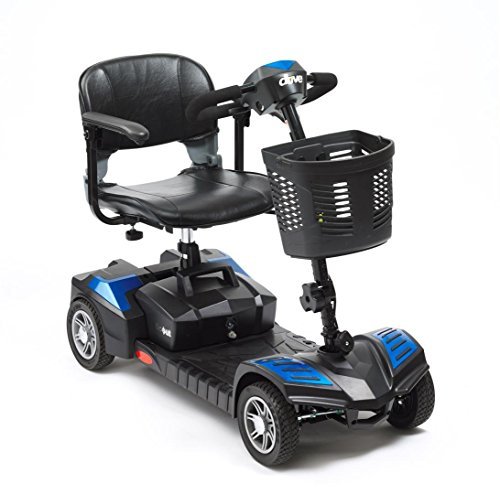 can you ride a mobility scooter on the pavement [click here for more info]?
Many people with mobility problems require a scooter to move around. Whether they're travelling to the shops or visiting relatives and friends, a mobility scooter could provide them with freedom and independence.
It's important to be aware that you shouldn't use a mobility scooter on every road. Here are some rules to be aware of:
Class 2 scooters
Class 2 scooters can be used as small, lightweight mobility devices on pavements and footpaths. However, they aren't suitable for road use therefore you must be aware of the laws that regulate their use. You will avoid any legal issues. Additionally, it's a good idea to take an instruction course on safety on the road for mobility scooters, especially if you have never driven one before.
A class 2 scooter can be a good choice for those seeking a light mobility device that is easy to move between places. These scooters are simple to drive and can be used on various surfaces. They are also suitable for indoor use. These scooters are also a good choice for people who travel for long distances on an ongoing basis. In this situation, it is best to pick a model with a spacious, comfortable seat and plenty of storage space.
It's important to keep in mind that while you can ride your mobility scooter on the pavement but the surface is not smooth and can be dangerous for both riders and pedestrians. There are also obstacles, such as curbs and parked vehicles that can cause issues. In some instances, 4mph mobility scooter scooters can be pushed over by pedestrians or pushchairs/prams while driving on the sidewalk.
Don't ride a scooter in class 2 or 3 on a sidewalk unless absolutely have to. It's illegal to ride on the sidewalk in certain countries, and you could be fined. It's recommended to wear a helmet when driving a mobility bike on the sidewalk to ensure your safety.
If you're not sure which kind of scooter is best for you, a knowledgeable professional can help you find the ideal model to meet your needs. Raphael is a highly experienced mobility scooter expert with over four years of experience in helping people make informed choices about the best mobility scooters that meet their unique requirements. He offers valuable information and helpful tips for choosing the right scooter and his customer service is second to none.
Class 3 scooters
Mobility scooters are utilized by a lot of elderly individuals to get around and remain independent. Some use them as their primary method of transportation, and they delay the need to transition into assisted living facilities. Before buying a scooter, it's essential to know the laws and rules.
Most states have different laws governing the operation of mobility scooters. Some states require scooters to be registered, while others do not. Most scooters are legal to be used on sidewalks and pedestrian walkways at speeds of up to 8 mph. Remember that most mobility scooters don't have windshields. Wear a helmet and wear appropriate attire when driving on sidewalks.
In contrast to motorbikes, there are no laws that specifically govern the use of scooters on public roads. However, most municipalities limit the usage of scooters on roads, since they're not designed to withstand the rigors of traffic and speeding cars. They can also cause accidents and injury if they are used in an improper manner. The majority of scooters aren't allowed to be used on bicycle lanes because they are intended for bicycles.
Road legal scooters are usually referred to as mobility scooters of class 3. These vehicles are allowed to be driven on pavements and most motorways. They should also be parked in such a way that they do not block other pedestrians or scooters.
Rough terrains are difficult to navigate with mobility scooters, so it is important to be aware of the dangers that are involved. These include playgrounds, dirt roads and gardens with stones. Be sure to check the specifications of your scooter before using it on rough terrains.
If you have a class 3 scooter, it is possible to drive it on pavements, so long as you don't exceed 4 speed. You can drive on dual carriageways, but only with a flashing yellow light. You should learn how to safely drive your scooter and attend a training course.
Scooters that are road legal
Scooters are a great option to travel, but you must be aware of all laws and regulations in place in your local area. You could be liable to penalties and fines in the event that you operate the mobility scooter while on the road. The best method to avoid this is buying a road-legal scooter, which comes with all the features that you require to legally operate on roads and sidewalks.
Most cities permit scooters on pedestrian walkways and sidewalks. However, it is crucial to be mindful of other pavement scooter users and keep your speed to a minimum. For instance, people with hearing or visual impairments might not be aware of your presence. Therefore, it is essential to provide them with the right of way when necessary.
It is also essential to keep in mind that your mobility scooter road or pavement scooter should mobility scooters be on the pavement not be used on cycle lanes or bus lanes, since they are intended for different types of vehicles. Avoid driving on dual carriageways with a an upper speed limit of 50 mph. However, you are allowed to use class 3 scooters on these roads when you have an amber flashing light that is active.
Road-legal scooters are also equipped with built-in speed limiters which stops you from going too fast. This feature is especially helpful for those who are brand new to the scooter. It's also recommended to wear an appropriate helmet or other safety gear whenever you're on your 4mph scooter.
In Hawaii scooters are in the same category as bicycles and are subject to the same laws. Scooters are allowed to be parked on sidewalks and pedestrian walkways and must be in compliance with all pedestrian and sidewalk rules. Furthermore, they must be located in areas that do not hinder traffic or prevent access to buildings.
Despite their small dimensions, mobility scooters are powerful machines that can speed up to speeds of up to 4 speeds of 4. In turn, they could cause serious injuries to drivers and pedestrians. To stay safe it is recommended to operate your scooter at a pedestrian speed.
Road rules
Mobility scooters are a convenient and secure way to move through the city. Users must be aware of the rules for using mobility scooters in public areas. These rules include keeping a safe distance between other pedestrians and traffic users and yielding to them. They must also use caution and show respect when operating their scooters in busy or crowded areas. Review local city ordinances to determine the latest guidelines or regulations.
In general, it's illegal to drive a motorized vehicle on roads specifically designed for cars. There are exceptions. Certain gated communities, like permit scooters to be used on certain roads if they meet the minimum requirements of size and speed. In the majority of cases the communities that allow scooters to be registered with the homeowner's association or community management company. They must also follow the laws of the state and city.
If you are planning to use your scooter on roads, make sure that it is registered, fitted with a identifying tag and is equipped with reflectors. You should also wear a helmet and be aware of proper operating procedures. You should also ensure that your scooter is equipped with an effective horn and brake system. Additionally, you should not operate a scooter on a tunnel or bridge.
Mobility scooters aren't allowed to be operated on sidewalks, however they can be used in bike lanes or on main roadways if they do not exceed 8mph. It is important to remember that you cannot ride a scooter on bus lanes or in 'cycle-only' lane. Avoid driving your scooter on steep slopes and inclines as this increases the chance of an injury. You should also avoid using your scooter in weather conditions that are not ideal because the wheels could slip and cause injuries. In these circumstances, it is best to utilize an alternative wheelchair. You can also install an emergency flag to ensure you are visible in bad weather. This is particularly important when crossing roads at night or in poorly lit areas.