
Guide To Upv Door Hinges: The Intermediate Guide The Steps To Upv Door…
페이지 정보
작성자 Dani 댓글 0건 조회 5회 작성일 24-09-21 05:36본문
How to Adjust UPVC Door Hinges
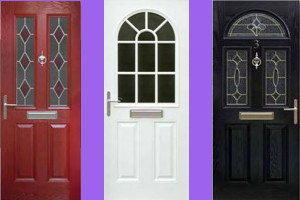 uPVC door frames are designed to last for a long period of time, but they might require some adjustments and repairs as they age. This is a simple job that can be accomplished using a few basic tools.
The first thing you need to do is to identify the kind of hinges that are on your door. Typically, a flag hinge will allow you to make adjustments laterally and vertically however a T or butt hinge may only allow lateral adjustments.
Identifying the Hinges
Hinges are vital for connecting windows and door frames to their frames. However, they could cause problems. Most of these problems are easily resolved by altering the hinges. You must first determine the type of hinges that are on your window or door. This is crucial because it will assist you in determining the best method to adjust your hinges based on the style of the window or door hinge repairs.
UPVC hinges come in various styles, each with their own advantages and disadvantages. The type of hinge that you require will depend on the requirements of your frame or door and the design. Additionally, the type of hinge you choose determines how easy it is to open and close your window or door. Here are a few of the most popular kinds of uPVC hinges for doors:
Flag hinges feature flat hinge leaves with holes through them where screws can be fixed. They also have the hinge pin is placed through these knuckles. They are the most common kind of hinge that is used in uPVC doors and can be easily adjusted vertically and laterally.
Rebated hinges, also referred to as eurogroove hinges, feature a recessed section that is affixed to the door frame when closed. They can blend in with the frame for a more seamless appearance. They are the most sought-after kind of hinge for uPVC doors and can be easily adjusted in all three dimensions.
Ball-bearing butt hinges are good choice for uPVC doors that are subject to high levels of use. These hinges feature a ball bearing at the centre, which ensures smooth operation. They can be easily adjusted both horizontally and laterally.
Spring butt friction hinges for uPVC are a good choice because they can be adjusted to fit in all three dimensions. They also have a spring system that ensures an easy opening and closing. This kind of hinge is very durable and can stand up to a lot of stress.
When installing a new set of UPVC hinges, it is important to take all the necessary safety precautions. Wearing protective gear, using appropriate drill attachments and handling tools correctly are all a part of this. By following these guidelines, you can avoid any injuries that could be caused during the process of installation.
Identifying the problem
There are many reasons why your upvc window replacement hinges door may not be closing correctly. It could be that hinges are not aligned properly or distorted, for instance or a problem with the locking mechanism. It is imperative to act fast in order to prevent draughts or leaks. If you don't, the damage will get worse and the door may become stuck or impossible to open and close.
The most common reason for the reason for a uPVC door not closing is because the hinges haven't been adjusted properly. This can be a serious problem, but it's easy to fix. The first step is to determine the problem and then find out what's the cause.
Once you've identified the problem, you can begin to solve it. There are two kinds of uPVC uPVC hinges: flag hinges and butt uPVC hinges. A flag hinge is comprised of two parts. One part is attached to the sash of a door and the second part is fixed to the door frame or to an adjacent structure. The hinges are connected to the door frame using a rod, pin or another axis. The hinges and sash are visible on the inside of the doors however, they are hidden when the door is closed, to provide a clean and smooth appearance.
A butt hinge is similar to the hinge used for flags, but it's mounted on the back of the sash, and doesn't extend as far as an actual flag hinge. The butt hinge can also be hidden when the door closes to give it a clean and sleek look.
To adjust a butt-hinge, find the adjuster and rotate it counterclockwise or clockwise with an allen key until you reach the desired position. It is not recommended to over-adjust a hinge since it could cause the door to be difficult to open or close.
Another issue that is common is that the lock doesn't lift enough to allow the door to be locked. This could be an issue with the euro lock or handle, but it's usually due to hinges that are not aligned properly or worn. It's generally a simple problem to resolve, but it's best to have a professional handle it to ensure the task is done properly.
Finding the solution
It is typical for uPVC doors and windows to loosen their hinges because of constant use and also being closed and opened. This can make them difficult to open and draughty. Fortunately, it's not difficult to make minor adjustments to ensure that they are operating correctly.
The first step is identify the type of hinges on your uPVC doors. There are three major types; Butt hinges (sometimes called a pencil or cylinder hinge) flag hinges, flag hinges and rebate hinges. You can determine this by looking at the hinges outside the door. You'll probably observe that the edges at the top and bottom of the door have gaps. This is where the hinges are placed. There are also screws on the hinge plate. You can adjust the height (up and down) of the hinge by using these slots.
A butt hinge consists of two parts, one attached to the frame, and the other is attached to the profile of the door sash. These are connected by a pin or rod that acts as the hinge's axis. The flag hinges are hidden behind the door, and are positioned between the frame and door when the Upv door hinges is closed, maintaining an attractive appearance.
Another type of uPVC hinge for doors is a flag hinge that looks like a traditional timber door hinge. They are located on the outside of the door and are more appealing in appearance than the butt-hinges. They can also be adjusted both laterally and horizontally.
Finally, rebate uPVC doors are not as common in the present. The rebate uPVC is similar to flag hinges, however it can be repositioned laterally and in compression.
Make sure your door is at the correct level prior to making any adjustments. Place a level on top of the door hinges repair and look for gaps between the door and the frame. If there is an opening at the top, middle or bottom of the door then this indicates that the door is not in alignment and needs to be adjusted.
Performing the Adjustment
Over time, a uPVC may become loose on the hinges. This can cause the door to slide or get misaligned with the frame. This can be fixed by following a few simple steps. To begin, use a tape measure to check the gap between the door and frame at the top, middle, and bottom. If the gaps are different this means that the hinges need adjusting.
Find out the kind of hinges you will need for your doors made of uPVC before you begin. There are three kinds of hinges of hinges: flag hinges, T hinges and rebate hinges. The adjustment method varies slightly depending on the type. Flag hinges are rectangular and appear like an elongated flag. They are typically used on modern uPVC door frames. These offer the most control in the adjustment of the width of a upvc door hinge door which allows you to move them laterally (side-to-side) and vertically and close them closer to the door jamb, which is called compression. T hinges function in the same way as flag hinges, except that the part attached to the door is in the middle of the hinge. They can be adjusted laterally and vertically but not as tight.
Then, use an Allen key to loosen the screw, or grub screws which control each hinge. For a vertical adjustment, you may need to loosen both the screws on the top and bottom. To make lateral side-toside adjustments, you may only need to loosen the screw on the hinge's doorside.
Test your uPVC to determine if it is now properly aligned in the frame. If not, you'll have to adjust the hinges or replace them.
Be aware that if you've experienced a door that was not aligned properly over a period of time, this could be a sign that the hinges must be replaced. This is a relatively simple procedure that is covered under the installer's guarantee or warranty.
uPVC door frames are designed to last for a long period of time, but they might require some adjustments and repairs as they age. This is a simple job that can be accomplished using a few basic tools.The first thing you need to do is to identify the kind of hinges that are on your door. Typically, a flag hinge will allow you to make adjustments laterally and vertically however a T or butt hinge may only allow lateral adjustments.
Identifying the Hinges
Hinges are vital for connecting windows and door frames to their frames. However, they could cause problems. Most of these problems are easily resolved by altering the hinges. You must first determine the type of hinges that are on your window or door. This is crucial because it will assist you in determining the best method to adjust your hinges based on the style of the window or door hinge repairs.
UPVC hinges come in various styles, each with their own advantages and disadvantages. The type of hinge that you require will depend on the requirements of your frame or door and the design. Additionally, the type of hinge you choose determines how easy it is to open and close your window or door. Here are a few of the most popular kinds of uPVC hinges for doors:
Flag hinges feature flat hinge leaves with holes through them where screws can be fixed. They also have the hinge pin is placed through these knuckles. They are the most common kind of hinge that is used in uPVC doors and can be easily adjusted vertically and laterally.
Rebated hinges, also referred to as eurogroove hinges, feature a recessed section that is affixed to the door frame when closed. They can blend in with the frame for a more seamless appearance. They are the most sought-after kind of hinge for uPVC doors and can be easily adjusted in all three dimensions.
Ball-bearing butt hinges are good choice for uPVC doors that are subject to high levels of use. These hinges feature a ball bearing at the centre, which ensures smooth operation. They can be easily adjusted both horizontally and laterally.
Spring butt friction hinges for uPVC are a good choice because they can be adjusted to fit in all three dimensions. They also have a spring system that ensures an easy opening and closing. This kind of hinge is very durable and can stand up to a lot of stress.
When installing a new set of UPVC hinges, it is important to take all the necessary safety precautions. Wearing protective gear, using appropriate drill attachments and handling tools correctly are all a part of this. By following these guidelines, you can avoid any injuries that could be caused during the process of installation.
Identifying the problem
There are many reasons why your upvc window replacement hinges door may not be closing correctly. It could be that hinges are not aligned properly or distorted, for instance or a problem with the locking mechanism. It is imperative to act fast in order to prevent draughts or leaks. If you don't, the damage will get worse and the door may become stuck or impossible to open and close.
The most common reason for the reason for a uPVC door not closing is because the hinges haven't been adjusted properly. This can be a serious problem, but it's easy to fix. The first step is to determine the problem and then find out what's the cause.
Once you've identified the problem, you can begin to solve it. There are two kinds of uPVC uPVC hinges: flag hinges and butt uPVC hinges. A flag hinge is comprised of two parts. One part is attached to the sash of a door and the second part is fixed to the door frame or to an adjacent structure. The hinges are connected to the door frame using a rod, pin or another axis. The hinges and sash are visible on the inside of the doors however, they are hidden when the door is closed, to provide a clean and smooth appearance.
A butt hinge is similar to the hinge used for flags, but it's mounted on the back of the sash, and doesn't extend as far as an actual flag hinge. The butt hinge can also be hidden when the door closes to give it a clean and sleek look.
To adjust a butt-hinge, find the adjuster and rotate it counterclockwise or clockwise with an allen key until you reach the desired position. It is not recommended to over-adjust a hinge since it could cause the door to be difficult to open or close.
Another issue that is common is that the lock doesn't lift enough to allow the door to be locked. This could be an issue with the euro lock or handle, but it's usually due to hinges that are not aligned properly or worn. It's generally a simple problem to resolve, but it's best to have a professional handle it to ensure the task is done properly.
Finding the solution
It is typical for uPVC doors and windows to loosen their hinges because of constant use and also being closed and opened. This can make them difficult to open and draughty. Fortunately, it's not difficult to make minor adjustments to ensure that they are operating correctly.
The first step is identify the type of hinges on your uPVC doors. There are three major types; Butt hinges (sometimes called a pencil or cylinder hinge) flag hinges, flag hinges and rebate hinges. You can determine this by looking at the hinges outside the door. You'll probably observe that the edges at the top and bottom of the door have gaps. This is where the hinges are placed. There are also screws on the hinge plate. You can adjust the height (up and down) of the hinge by using these slots.
A butt hinge consists of two parts, one attached to the frame, and the other is attached to the profile of the door sash. These are connected by a pin or rod that acts as the hinge's axis. The flag hinges are hidden behind the door, and are positioned between the frame and door when the Upv door hinges is closed, maintaining an attractive appearance.
Another type of uPVC hinge for doors is a flag hinge that looks like a traditional timber door hinge. They are located on the outside of the door and are more appealing in appearance than the butt-hinges. They can also be adjusted both laterally and horizontally.
Finally, rebate uPVC doors are not as common in the present. The rebate uPVC is similar to flag hinges, however it can be repositioned laterally and in compression.
Make sure your door is at the correct level prior to making any adjustments. Place a level on top of the door hinges repair and look for gaps between the door and the frame. If there is an opening at the top, middle or bottom of the door then this indicates that the door is not in alignment and needs to be adjusted.
Performing the Adjustment
Over time, a uPVC may become loose on the hinges. This can cause the door to slide or get misaligned with the frame. This can be fixed by following a few simple steps. To begin, use a tape measure to check the gap between the door and frame at the top, middle, and bottom. If the gaps are different this means that the hinges need adjusting.
Find out the kind of hinges you will need for your doors made of uPVC before you begin. There are three kinds of hinges of hinges: flag hinges, T hinges and rebate hinges. The adjustment method varies slightly depending on the type. Flag hinges are rectangular and appear like an elongated flag. They are typically used on modern uPVC door frames. These offer the most control in the adjustment of the width of a upvc door hinge door which allows you to move them laterally (side-to-side) and vertically and close them closer to the door jamb, which is called compression. T hinges function in the same way as flag hinges, except that the part attached to the door is in the middle of the hinge. They can be adjusted laterally and vertically but not as tight.
Then, use an Allen key to loosen the screw, or grub screws which control each hinge. For a vertical adjustment, you may need to loosen both the screws on the top and bottom. To make lateral side-toside adjustments, you may only need to loosen the screw on the hinge's doorside.
Test your uPVC to determine if it is now properly aligned in the frame. If not, you'll have to adjust the hinges or replace them.
Be aware that if you've experienced a door that was not aligned properly over a period of time, this could be a sign that the hinges must be replaced. This is a relatively simple procedure that is covered under the installer's guarantee or warranty.