
You'll Never Be Able To Figure Out This Composite Door Crack Repair's …
페이지 정보
작성자 Lashunda 댓글 0건 조회 4회 작성일 24-09-21 03:53본문
How to repair hole in composite door a Cracked Composite Door
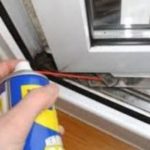 Although composite doors are incredibly durable, they do suffer from cracks caused by wear and tear. These cracks are typically easily repaired.
 All you have to do is apply a plastic filler and a uPVC friendly cleaning agent (HG uPVC powerful cleaner is a great choice). You will also require fine or medium grit sandpaper. First, you must clean the crack.
Identifying the Crack
Composite doors are a common choice for front doors due to their durability and aesthetic. However, like any other door, they may encounter problems over time. Most of these problems can be resolved without calling in professionals.
If you hear a loud cracking noise every when you open or close your door made of composite, it could be that the frame is damaged. This is particularly relevant if you are able to see the cracks in the frame of the composite door. In this instance it could be that the frame and door were not properly fitted initially. It is recommended to contact the professional installer who fitted your composite door, as they'll be able to help resolve this problem.
Another issue common to composite doors is the misalignment of the hinges and latches. This is often the result of excessive use or wear and tear, however, it could also be caused by changes in humidity and temperature. Fortunately, this is not a issue that can be solved by simply changing the screws.
It's possible that the door frame isn't big enough for your composite door. This could happen if the frame is not installed properly by an experienced installer. The frame will not be able to support the load of a door if it's too small. This can lead to cracking, warping and creaking.
Another possible cause of a crack in a composite door could be weather damage. Weather damage is most commonly caused by a worn-out or damaged weather seal. This allows cold air to enter your home, along with rain and debris. A damaged or missing weather seal can easily be fixed by replacing it with a brand new one made for composite doors.
Regular cleaning is the most crucial component of maintaining the exterior of a composite front door replacement door. This will stop the surface from becoming damaged or scratched, and it can help avoid any stains from appearing. It is recommended to wash your composite door handle replacement door at least once a week using soapy water to prevent hardware pitting, and you must also grease the hinges on a regular basis.
Cleaning the Crack
Composite doors are a popular choice for homeowners due to their durability and low maintenance. However, they are susceptible to a number of common problems over time, including cracks and warping. Fortunately, a majority of these issues can be resolved without the need for professional intervention.
A composite door is constructed from a solid timber core to provide strength and stability, and uPVC to weatherproof it against the elements. The exterior skin is made of glass reinforced plastic (GRP), which is available in a variety of designs and finishes, including woodgrain or a sleek contemporary finish. The combination of these two materials means that composite doors are highly robust and resistant to water and scratches.
Keep your composite door clean and dry to keep its nice appearance. Regular cleaning with an mild cleaner and cloth should suffice to keep it looking good However, you must clean it after rain or prolonged exposure to sunlight. Avoid using abrasive cleaners since these could damage the surface of the door. Additionally, always make sure that you use clean water to rinse it off after you're done.
Regularly lubricating the hinges and locks of your composite door is a easy way to maintain its appearance. It is best to use a lubricant designed for uPVC doors and locks, but don't overdo it. Too much grease can cause your lock to become stuck or stop working completely.
Check the weather stripping of your composite door paint repair door to make sure it is intact and functioning properly. This will help reduce drafts, and also save you money on your heating bill.
Although modern composite doors are extremely durable and resistant to many common problems, they can be damaged by sudden temperature fluctuations or simply wear and tear. Fortunately, it is not necessary to call in experts to repair these issues or even cracks that are large can be repaired using a bit of plastic filler and sandpaper.
Filling the Crack
Although composite doors are extremely robust, they are susceptible to cracking because of physical damage, such as scratches or impacts, or even variations in humidity and temperature. These cracks can be repaired using a simple DIY technique.
First, you'll need to identify the source of the crack. It could be as simple as a crackling sound that you hear when you shut or open the door. It could also be more serious, like visible damage or chip to the glass panel. If the issue is more severe it is recommended to consult a professional for help.
The next step is to apply a filler on the cracked area. Fillers made of plastic are available and are designed to be used on uPVC or composite materials. They typically consist of powder and liquid, which need to be mixed and applied immediately as they become very hard. You'll also need to make use of a putty knife in order to apply the filler to the crack, making sure it is filled all the way to the opposite side of the door.
After the filler is put in, you'll have to sand it down to create smooth finish. To do this, you can employ an electric sander, or a light sanding tool. After sanding the surface, you'll have to apply an opaque layer of varnish or polyurethane to protect your filler and door.
If the sound of the door hinges makes you hear cracking noises You should grease the hinges in order to stop them from slipping or becoming stiff over time. This will help maintain the hinges' strength and prolong their life.
You can keep your composite door looking like new by regularly sanding, using a touch-up pen to fix any scratches, and reapplying a paint of the same color to ensure uniformity. Regularly lubricating will ensure that your composite door is as strong as it is possible. This is an easy step that is often forgotten, but it can make a huge difference to your door's performance and appearance.
Sanding the Crack
Composite doors are strong and durable, but they can still crack or creak. It is likely that you will experience these issues with the frame, that can be caused by various reasons, including wear and tear. If you are concerned that your composite door replacement keys doors may be showing signs of age, you can take several steps to correct the issue.
It is important to first clean the crack and the surrounding area. This will stop dirt from becoming mixed with your later repair work. Make use of a uPVC-friendly, non-fragrance cleaning agent, like HG uPVC Powerful Cleaner, available on Amazon to clean any buildup of dirt and grit. Leave the area to dry completely before moving on.
Once the crack is clean, you can begin the composite door crack repair. You can pick between filler and putty for this part of the process depending on the condition of your door or not. If your door is painted, choose an option that is wood-based and can be sanded following its setting. Once you've applied your preferred filler, allow it to set. Sanding the compound down will help to smooth the surface and make it appear more natural.
You should also take into consideration the size of the crack before you begin sanding. If the crack is more extensive, you will need more than just putty or filler to repair it. If you notice evidence of this on your door, you may require a wooden spline for an extra-long-lasting solution.
It is recommended to place the door frame and hinges properly to avoid a break. It is also crucial to regularly grease any moving parts, including the hinges, using products specifically designed specifically for uPVC and composite materials. This will help reduce friction and will keep your composite door running smoothly for many years.
Although composite doors are incredibly durable, they do suffer from cracks caused by wear and tear. These cracks are typically easily repaired.All you have to do is apply a plastic filler and a uPVC friendly cleaning agent (HG uPVC powerful cleaner is a great choice). You will also require fine or medium grit sandpaper. First, you must clean the crack.Identifying the Crack
Composite doors are a common choice for front doors due to their durability and aesthetic. However, like any other door, they may encounter problems over time. Most of these problems can be resolved without calling in professionals.
If you hear a loud cracking noise every when you open or close your door made of composite, it could be that the frame is damaged. This is particularly relevant if you are able to see the cracks in the frame of the composite door. In this instance it could be that the frame and door were not properly fitted initially. It is recommended to contact the professional installer who fitted your composite door, as they'll be able to help resolve this problem.
Another issue common to composite doors is the misalignment of the hinges and latches. This is often the result of excessive use or wear and tear, however, it could also be caused by changes in humidity and temperature. Fortunately, this is not a issue that can be solved by simply changing the screws.
It's possible that the door frame isn't big enough for your composite door. This could happen if the frame is not installed properly by an experienced installer. The frame will not be able to support the load of a door if it's too small. This can lead to cracking, warping and creaking.
Another possible cause of a crack in a composite door could be weather damage. Weather damage is most commonly caused by a worn-out or damaged weather seal. This allows cold air to enter your home, along with rain and debris. A damaged or missing weather seal can easily be fixed by replacing it with a brand new one made for composite doors.
Regular cleaning is the most crucial component of maintaining the exterior of a composite front door replacement door. This will stop the surface from becoming damaged or scratched, and it can help avoid any stains from appearing. It is recommended to wash your composite door handle replacement door at least once a week using soapy water to prevent hardware pitting, and you must also grease the hinges on a regular basis.
Cleaning the Crack
Composite doors are a popular choice for homeowners due to their durability and low maintenance. However, they are susceptible to a number of common problems over time, including cracks and warping. Fortunately, a majority of these issues can be resolved without the need for professional intervention.
A composite door is constructed from a solid timber core to provide strength and stability, and uPVC to weatherproof it against the elements. The exterior skin is made of glass reinforced plastic (GRP), which is available in a variety of designs and finishes, including woodgrain or a sleek contemporary finish. The combination of these two materials means that composite doors are highly robust and resistant to water and scratches.
Keep your composite door clean and dry to keep its nice appearance. Regular cleaning with an mild cleaner and cloth should suffice to keep it looking good However, you must clean it after rain or prolonged exposure to sunlight. Avoid using abrasive cleaners since these could damage the surface of the door. Additionally, always make sure that you use clean water to rinse it off after you're done.
Regularly lubricating the hinges and locks of your composite door is a easy way to maintain its appearance. It is best to use a lubricant designed for uPVC doors and locks, but don't overdo it. Too much grease can cause your lock to become stuck or stop working completely.
Check the weather stripping of your composite door paint repair door to make sure it is intact and functioning properly. This will help reduce drafts, and also save you money on your heating bill.
Although modern composite doors are extremely durable and resistant to many common problems, they can be damaged by sudden temperature fluctuations or simply wear and tear. Fortunately, it is not necessary to call in experts to repair these issues or even cracks that are large can be repaired using a bit of plastic filler and sandpaper.
Filling the Crack
Although composite doors are extremely robust, they are susceptible to cracking because of physical damage, such as scratches or impacts, or even variations in humidity and temperature. These cracks can be repaired using a simple DIY technique.
First, you'll need to identify the source of the crack. It could be as simple as a crackling sound that you hear when you shut or open the door. It could also be more serious, like visible damage or chip to the glass panel. If the issue is more severe it is recommended to consult a professional for help.
The next step is to apply a filler on the cracked area. Fillers made of plastic are available and are designed to be used on uPVC or composite materials. They typically consist of powder and liquid, which need to be mixed and applied immediately as they become very hard. You'll also need to make use of a putty knife in order to apply the filler to the crack, making sure it is filled all the way to the opposite side of the door.
After the filler is put in, you'll have to sand it down to create smooth finish. To do this, you can employ an electric sander, or a light sanding tool. After sanding the surface, you'll have to apply an opaque layer of varnish or polyurethane to protect your filler and door.
If the sound of the door hinges makes you hear cracking noises You should grease the hinges in order to stop them from slipping or becoming stiff over time. This will help maintain the hinges' strength and prolong their life.
You can keep your composite door looking like new by regularly sanding, using a touch-up pen to fix any scratches, and reapplying a paint of the same color to ensure uniformity. Regularly lubricating will ensure that your composite door is as strong as it is possible. This is an easy step that is often forgotten, but it can make a huge difference to your door's performance and appearance.
Sanding the Crack
Composite doors are strong and durable, but they can still crack or creak. It is likely that you will experience these issues with the frame, that can be caused by various reasons, including wear and tear. If you are concerned that your composite door replacement keys doors may be showing signs of age, you can take several steps to correct the issue.
It is important to first clean the crack and the surrounding area. This will stop dirt from becoming mixed with your later repair work. Make use of a uPVC-friendly, non-fragrance cleaning agent, like HG uPVC Powerful Cleaner, available on Amazon to clean any buildup of dirt and grit. Leave the area to dry completely before moving on.
Once the crack is clean, you can begin the composite door crack repair. You can pick between filler and putty for this part of the process depending on the condition of your door or not. If your door is painted, choose an option that is wood-based and can be sanded following its setting. Once you've applied your preferred filler, allow it to set. Sanding the compound down will help to smooth the surface and make it appear more natural.
You should also take into consideration the size of the crack before you begin sanding. If the crack is more extensive, you will need more than just putty or filler to repair it. If you notice evidence of this on your door, you may require a wooden spline for an extra-long-lasting solution.
It is recommended to place the door frame and hinges properly to avoid a break. It is also crucial to regularly grease any moving parts, including the hinges, using products specifically designed specifically for uPVC and composite materials. This will help reduce friction and will keep your composite door running smoothly for many years.