
The 10 Most Terrifying Things About Dripper Coffee Maker
페이지 정보
작성자 Ali 댓글 0건 조회 5회 작성일 24-09-20 20:27본문
Dripper Coffee Makers
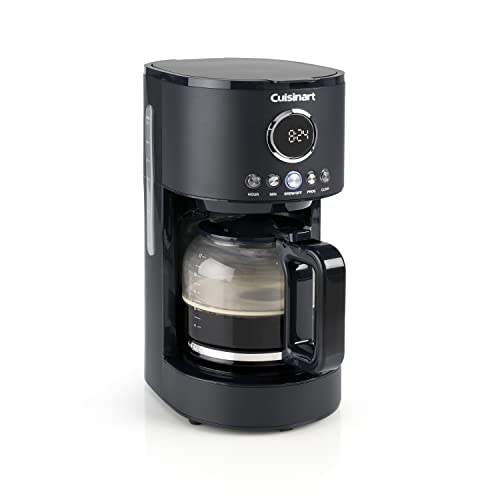 Drip coffee makers are a popular option for home coffee-brewing. This simple method involves heating water to flow through the coffee beans to extract the oils and flavors.
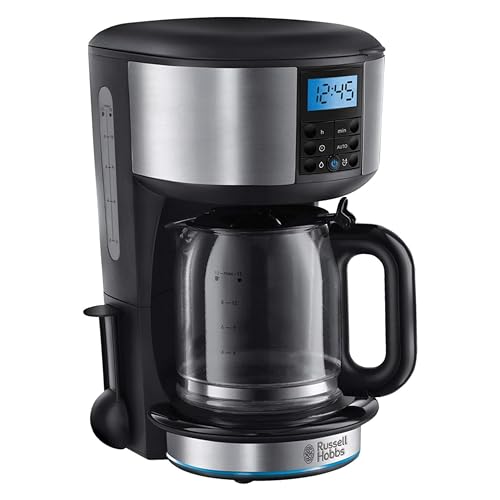 When the machine is powered on, hot water will begin flowing into the filter compartment that is home to the metal or paper filter and coffee grounds. The drip area can affect the flavor of your coffee.
The process of brewing
Many coffee drinkers don't realize that the method of brewing they use to make their morning cup can affect the flavor of the beverage. But it does matter, and brewers can employ various methods that impact how your coffee tastes.
A drip coffee maker heats water by pulling it through a tube. Once the water is hot, it's sucked into another tube, and then dripped onto the ground coffee. The chemical compounds found in the coffee beans are absorbed by water. The coffee is then dripped into a glass carafe through a filter and is ready to enjoy.
Drip coffee makers can be operated with ease. Simply add the grounds of coffee, pour in the amount you want and then press the button. In fact, most coffee makers have a variety of choices to customize your experience, such as how many cups you'd like or if you'd prefer a stronger or a weaker coffee. Other features that are available include self-cleaning cycles and programmable timers and an indicator of freshness that tells you when it's time for the next batch.
Pour over coffee makers however require a higher degree of conformity to brewing standards for specialty coffee and a certain level of expertise to be executed well. A pour over machine like the V60, Kalita Wave or Chemex Chemex has its own unique design features that facilitate flow and have an impact on extraction. You can also control the amount of water poured, ensuring that all grounds get a uniform saturation.
With a drip pan where the water is poured out of the spout and may disperse unevenly and leave some areas more saturated than others. This can lead to an uneven extraction and a less balanced, enjoyable taste. Pour over coffee makers are an excellent option for those who wish to control the coffee.
The grind size
The term "standard drip" is often used to describe the brewing process of drip coffee. It involves boiling water, allowing it to slowly pass through coffee grounds. The grind size is important because it determines how much of the surface is exposed to hot water and how quickly flavor compounds are extracted from the coffee grounds.
A mis-matched brewing method and grind size can result in an excessively bitter or flat cup of coffee. The right pairing however, can lead to an optimal cup of coffee.
The kind of coffee beans used can also have a significant impact on the final flavor. Certain kinds of beans are more acidic, while others are more sweet or nutty. It is essential to test various blends to find one you enjoy the most.
Another crucial factor to take into account when preparing drip coffee is the flow rate, or the speed at which the water moves through the grounds. A slower flow rate allows the grounds to soak up more water and create more flavor. A higher flow rate could result in a lighter and less intense flavor profile.
To get the best flavor from your drip coffee maker, make sure to use a medium grind size that is comparable in consistency to coarse table salt or sand. This size is suitable for both cone-shaped and flat-bottomed filters. It will ensure an optimal extraction without over or under-extraction.
A burr grinder is the most precise tool to achieve a precise medium grind, but the blade grinder can be just as effective if you are careful. Just make sure that you clean the grinder after each use to avoid the buildup of old grounds that can affect the flavor of your coffee.
Drip coffee makers make an excellent option for those seeking an easy and quick way to make delicious coffee. These drip coffee makers are ideal for those who do not want to deal the mess or expense of pour over coffee.
The filter
The filter is a vital element for making a great cup of coffee. The filter is what separates used coffee grounds from the brewed espresso. A quality filter is essential for the taste of your coffee and also to keep any sediments from getting into your drink.
Paper filters are the most common type of filter drip coffe maker used in drip dripping coffee maker drip machine (Recommended Web page) makers. However, there are other options available. Cloth filters have been used for some time and people prefer them due to the fact that they don't alter the flavor of your coffee. They also have a less environmental impact than paper filters. The issue with these filters is that they can be a bit difficult to find and are sometimes hard to get in bulk.
It is important to understand how the process works, regardless of whether you are using a pour-over or drip coffee pot. The primary difference between drip and pour over is that with drip coffee brewer, the water is poured automatically and controlled by the machine. Pour over however is a manual procedure which requires your active participation to be successful.
The heating element is activated when you switch on your drip coffee maker. It is usually an aluminum tubing that is heated when electricity is pumped through it. This is the reason for the gurgling sound that is that is associated with this kind of coffee maker. The tubing carries the boiling water up to the showerhead that releases water drops over the ground beans. This method is widely used in cafes and has become a household staple.
The grounds are then collected and poured into the carafe, or coffee pot. The primary benefits of making coffee are convenience and speed. If you're not careful the showerhead and tubing may be damaged. This could lead to an unpleasant taste loss or even an explosion.
It's also important to note that, while the drip coffee method is widely accepted however pour over coffee is becoming more popular. This method can be challenging to master because it requires more user involvement. It can result in better tasting coffee and is a great choice for those who want to improve their coffee brewing skills.
The carafe
The carafe is the container that holds the liquid in a dripper coffee maker. It is usually constructed of plastic or glass and can accommodate several liters of liquid. Some carafes have handles and some even have a lid, which allows users to easily pour their beverage. The carafe can also be lined with insulation, which helps to keep hot drinks warm and cold drinks cold for longer durations of time.
The tube that is used to bring the water into the tank is equipped with an unidirectional shutoff valve to stop hot water from escaping. This tube has an aluminum heating element that warms the water. As the water gets heated, it starts to drip out of the tubing into the filter and grounds. The lower temperature of the dripping coffee maker water helps to protect the grounds from over-extracting the flavor.
A dripper coffeemaker is a simple to use device that can make a pot brewed coffee within minutes. This is ideal for people who would like an extra pot of coffee to keep in the fridge throughout the day, but don't have the time to pour a cup by hand. The dripper is a fantastic choice for coffee drinkers on the go, as it can be kept in the refrigerator until it is needed.
A dripper is a fantastic way to make coffee however it can be a challenge for people who are not experienced. The machine can make an unsatisfactory cup of espresso, which is why it is crucial to understand how to use it properly. This can be accomplished by reading guides and reviews on the internet, and also by following online tutorials.
A coffee carafe can be an asset to any restaurant or cafe, as it can serve large numbers of people quickly and efficiently. It is also an elegant way to serve drinks that add a touch of class to the table. Alongside coffee, a carafe can be used for serving iced tea, lemonade, and fresh juice.
Drip coffee makers are a popular option for home coffee-brewing. This simple method involves heating water to flow through the coffee beans to extract the oils and flavors.When the machine is powered on, hot water will begin flowing into the filter compartment that is home to the metal or paper filter and coffee grounds. The drip area can affect the flavor of your coffee.The process of brewing
Many coffee drinkers don't realize that the method of brewing they use to make their morning cup can affect the flavor of the beverage. But it does matter, and brewers can employ various methods that impact how your coffee tastes.
A drip coffee maker heats water by pulling it through a tube. Once the water is hot, it's sucked into another tube, and then dripped onto the ground coffee. The chemical compounds found in the coffee beans are absorbed by water. The coffee is then dripped into a glass carafe through a filter and is ready to enjoy.
Drip coffee makers can be operated with ease. Simply add the grounds of coffee, pour in the amount you want and then press the button. In fact, most coffee makers have a variety of choices to customize your experience, such as how many cups you'd like or if you'd prefer a stronger or a weaker coffee. Other features that are available include self-cleaning cycles and programmable timers and an indicator of freshness that tells you when it's time for the next batch.
Pour over coffee makers however require a higher degree of conformity to brewing standards for specialty coffee and a certain level of expertise to be executed well. A pour over machine like the V60, Kalita Wave or Chemex Chemex has its own unique design features that facilitate flow and have an impact on extraction. You can also control the amount of water poured, ensuring that all grounds get a uniform saturation.
With a drip pan where the water is poured out of the spout and may disperse unevenly and leave some areas more saturated than others. This can lead to an uneven extraction and a less balanced, enjoyable taste. Pour over coffee makers are an excellent option for those who wish to control the coffee.
The grind size
The term "standard drip" is often used to describe the brewing process of drip coffee. It involves boiling water, allowing it to slowly pass through coffee grounds. The grind size is important because it determines how much of the surface is exposed to hot water and how quickly flavor compounds are extracted from the coffee grounds.
A mis-matched brewing method and grind size can result in an excessively bitter or flat cup of coffee. The right pairing however, can lead to an optimal cup of coffee.
The kind of coffee beans used can also have a significant impact on the final flavor. Certain kinds of beans are more acidic, while others are more sweet or nutty. It is essential to test various blends to find one you enjoy the most.
Another crucial factor to take into account when preparing drip coffee is the flow rate, or the speed at which the water moves through the grounds. A slower flow rate allows the grounds to soak up more water and create more flavor. A higher flow rate could result in a lighter and less intense flavor profile.
To get the best flavor from your drip coffee maker, make sure to use a medium grind size that is comparable in consistency to coarse table salt or sand. This size is suitable for both cone-shaped and flat-bottomed filters. It will ensure an optimal extraction without over or under-extraction.
A burr grinder is the most precise tool to achieve a precise medium grind, but the blade grinder can be just as effective if you are careful. Just make sure that you clean the grinder after each use to avoid the buildup of old grounds that can affect the flavor of your coffee.
Drip coffee makers make an excellent option for those seeking an easy and quick way to make delicious coffee. These drip coffee makers are ideal for those who do not want to deal the mess or expense of pour over coffee.
The filter
The filter is a vital element for making a great cup of coffee. The filter is what separates used coffee grounds from the brewed espresso. A quality filter is essential for the taste of your coffee and also to keep any sediments from getting into your drink.
Paper filters are the most common type of filter drip coffe maker used in drip dripping coffee maker drip machine (Recommended Web page) makers. However, there are other options available. Cloth filters have been used for some time and people prefer them due to the fact that they don't alter the flavor of your coffee. They also have a less environmental impact than paper filters. The issue with these filters is that they can be a bit difficult to find and are sometimes hard to get in bulk.
It is important to understand how the process works, regardless of whether you are using a pour-over or drip coffee pot. The primary difference between drip and pour over is that with drip coffee brewer, the water is poured automatically and controlled by the machine. Pour over however is a manual procedure which requires your active participation to be successful.
The heating element is activated when you switch on your drip coffee maker. It is usually an aluminum tubing that is heated when electricity is pumped through it. This is the reason for the gurgling sound that is that is associated with this kind of coffee maker. The tubing carries the boiling water up to the showerhead that releases water drops over the ground beans. This method is widely used in cafes and has become a household staple.
The grounds are then collected and poured into the carafe, or coffee pot. The primary benefits of making coffee are convenience and speed. If you're not careful the showerhead and tubing may be damaged. This could lead to an unpleasant taste loss or even an explosion.
It's also important to note that, while the drip coffee method is widely accepted however pour over coffee is becoming more popular. This method can be challenging to master because it requires more user involvement. It can result in better tasting coffee and is a great choice for those who want to improve their coffee brewing skills.
The carafe
The carafe is the container that holds the liquid in a dripper coffee maker. It is usually constructed of plastic or glass and can accommodate several liters of liquid. Some carafes have handles and some even have a lid, which allows users to easily pour their beverage. The carafe can also be lined with insulation, which helps to keep hot drinks warm and cold drinks cold for longer durations of time.
The tube that is used to bring the water into the tank is equipped with an unidirectional shutoff valve to stop hot water from escaping. This tube has an aluminum heating element that warms the water. As the water gets heated, it starts to drip out of the tubing into the filter and grounds. The lower temperature of the dripping coffee maker water helps to protect the grounds from over-extracting the flavor.
A dripper coffeemaker is a simple to use device that can make a pot brewed coffee within minutes. This is ideal for people who would like an extra pot of coffee to keep in the fridge throughout the day, but don't have the time to pour a cup by hand. The dripper is a fantastic choice for coffee drinkers on the go, as it can be kept in the refrigerator until it is needed.
A dripper is a fantastic way to make coffee however it can be a challenge for people who are not experienced. The machine can make an unsatisfactory cup of espresso, which is why it is crucial to understand how to use it properly. This can be accomplished by reading guides and reviews on the internet, and also by following online tutorials.
A coffee carafe can be an asset to any restaurant or cafe, as it can serve large numbers of people quickly and efficiently. It is also an elegant way to serve drinks that add a touch of class to the table. Alongside coffee, a carafe can be used for serving iced tea, lemonade, and fresh juice.