
Light Roast Arabica Coffee Beans Tips To Relax Your Everyday Lifethe O…
페이지 정보
작성자 Sherri 댓글 0건 조회 2회 작성일 24-09-20 19:38본문
Light Roast gourmet arabica coffee beans Coffee Beans
light roast arabica coffee beans gift coffee beans (browse around this web-site) are the (relatively) new kid on the block. Light roasts strike a delicate balance between artisan roasting, multi-origin blends and blending.
The process of roasting burns off some of the natural sugars found in the coffee bean, it also creates new sugars. This is why a lighter roast can be sweeter than its dark roast counterpart.
Light Roast
A light roast is a coffee that has been lightly roasted to preserve the natural flavors of the beans. They, as their name suggests, are lighter in body and can be enjoyed with different brewing methods, including drip, espresso, french presses, and pour overs. Light roasts have more vibrant and fruitier flavor notes and reveal the distinctive qualities of a coffee better than darker roasts.
This is especially true when working with single-estate or micro-lot coffees. This level of roast can assist in bringing out subtle and complex flavors that are often lost when dark roasting. Whatever your preference is each roast level produces exceptional and delicious coffees.
Light roasts are also known for their crisp acidity and mellow body. As a result, these coffees can provide a refreshing boost of energy without the heavy feeling that is often associated with dark roasts. These coffees are perfect for those who like to start their day with a bit more energy and a fresh taste.
In terms of caffeine, there is some truth to the popular belief that a light roast has more caffeine than a darker roast. However this can be confusing because it depends on how you measure your coffee. If you weigh the coffee, a scoop that contains lighter roast will have more caffeine than one containing dark roast (because of its greater mass). If you measure by volume, both will contain about the same amount.
The key to a successful light roast lies in the roasting process. It is important to choose a roaster that you can trust. Poorly executed light roasts may have a bitter or burned flavor, which can overpower other good qualities of the coffee. This is the reason we love working with small and family-owned roasters that value quality.
Our Extra Mile Kenyan is a perfect example of a carefully crafted light roast. It has a soft mouthfeel and sweet notes of baker's chocolate and stonefruit. It's also sourced from a sustainable, ethical farm that is committed to Regenerative farming.
Medium Roast
Often referred to as often referred to as Goldilocks roast medium roast is often referred to as the "just right" coffee between light and dark roast. Featuring the familiar, traditional diner-style flavor notes of dark roast but with a greater balance and subtlety, medium roasts offer a wide range of exciting flavors and aromas.
Medium roast premium arabica coffee beans for espresso coffee beans are heated for a lesser period of time and at less temperature than dark roasts. The beans are heated to around 385 degrees, and they begin to pop. (This is called the first crack). The beans will appear light brown color and will not have any oil on the surface.
Coffee roasted to this level retains a lot of the original coffee beans' distinctive aroma and flavor notes. This includes fruity and floral flavors and aromas that are indigenous to the region of origin. Coffee beans that are lightly roasted have a brighter acidity, and more mellow body.
A medium roast can have flavors such as caramel, chocolate and hints of spice, depending on the beans that are used. However, it's important to remember that these flavors are less prominent than in a light roast since the beans have been roast for a longer time.
Medium-dark flavored can be heavy and bitter and can be difficult for some palates. Dark roasted coffee is distinguished by its deep oily appearance and flavors of bittersweet chocolate, smoke and dark caramel.
If you're seeking a smooth, balanced cup of coffee that's less than dark, but not as delicate as light roast, our medium roast arabica coffee beans online coffee is the perfect option. Our Happy Place blend is made using single-origin beans sourced from high elevation farms that are Rainforest Alliance certified and practice fully regenerative farming. It is a blend of blackberry, guava, and cocoa, with a soft ending.
No matter the roasting degree, all varieties of coffee have similar amounts of caffeine. The amount of caffeine in coffee beans varies based on their natural levels as well as the amount of oxygen the beans absorb when they are roast.
Dark Roast
A dark roast is a form of coffee that has been roasted longer than light roast beans. This allows for a more complex flavor profile to develop. This creates a cup with a rich, bold flavor and less acidity compared to a light-roasted coffee. This kind of coffee will suit those who prefer a strong cup to begin their day.
Dark roasted coffee is distinguished by its brown color and oily surface, that give it a smoky and classic diner-style taste. The coffee is distinguished by its roasting process. It is essential to choose a top-quality bean that has been properly roast to obtain the best flavor.
It is crucial to roast a dark roasted coffee until the beans start to crack. This is the first sign that the beans have been properly roasted and that they are ready to be made. Dark roasted coffee should also have a soft mouthfeel and a balance of sweet and bitter flavors.
The trick to finding the right dark roasted coffee is finding high-quality beans that have been roasted to the perfect temperature. This will allow the distinct and exotic characteristics of the beans to shine without being masked by an over-roasted flavor.
To find the best dark-roasted coffee, you need to take into account the origins of the beans, as well as the region where they were cultivated. Certain regions are better in the dark roasting process because of their sweetness, while others have a rich and complex flavor that could match the intensity.
It is important to remember that the darker the roast the higher amount of caffeine you'll find in your coffee. This is because roasted coffee beans are exposed to higher temperatures which causes them to release more caffeine. In addition, the darker a roast is, the more pronounced the bitterness will be.
Washed Coffee
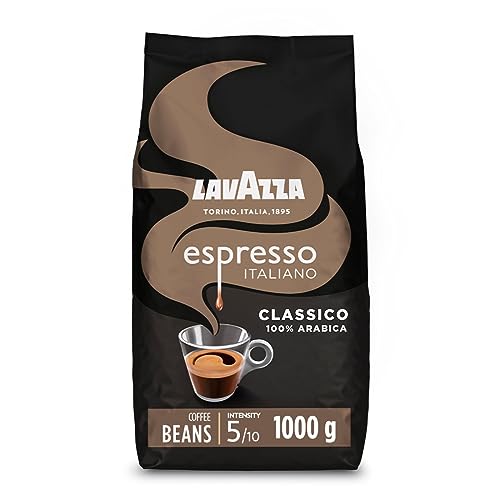 Washed coffee beans have gone through a process known as "wet processing." After the process is completed the cherries, they are then de-pulped and then fermented in water tanks to soften the sticky mucilage that covers them. Then, the beans are dried and then washed to get rid of any remaining pectin. This is a highly popular method for specialty roasters, and an excellent choice for those looking for clean, crisp and acidic flavor profiles that have medium amounts of body and sweetness.
Different flavor compounds are made according to the duration of the fermentation process and the amount of mucilage that is left on the seeds. They can be fruity, earthy, floral or even nutty notes. This is the reason washed coffees can express a lot of the terroir and distinctive varietal characteristics. Natural processed coffees can develop unique flavors due to the fruity pulp that surrounds the bean.
After the mucilage has been removed, the beans are dried either by the soaking process in large tanks of water (as in the washed method) or spread out on raised beds or patios in the sun, and turned regularly. This process is continued until the seeds have an average moisture content of 10-12%.
Roasting is the final step. When the roasting process is complete the temperature inside the bean will rise and a cracking sound will be heard, which is the moment when vapors begin to break through the outer wall of the bean. This is called the first crack.
After this is done after which the beans are ready to be enjoyed. Light roasts will taste very fresh and fruity as they haven't been cooked long enough for the oils to develop. Medium roasts will be more bready, with an intense and richer flavor because they have been roasted longer. Darker roasts can be very chocolatey or even smoky depending on how dark they've been roasted.
This creates a variety of flavors and aromas. It is up to you to select the coffee that suits your tastes! Try a variety single-origin roasts, including medium, light and darker roasts. Each one has its own distinct flavor.
light roast arabica coffee beans gift coffee beans (browse around this web-site) are the (relatively) new kid on the block. Light roasts strike a delicate balance between artisan roasting, multi-origin blends and blending.
The process of roasting burns off some of the natural sugars found in the coffee bean, it also creates new sugars. This is why a lighter roast can be sweeter than its dark roast counterpart.
Light Roast
A light roast is a coffee that has been lightly roasted to preserve the natural flavors of the beans. They, as their name suggests, are lighter in body and can be enjoyed with different brewing methods, including drip, espresso, french presses, and pour overs. Light roasts have more vibrant and fruitier flavor notes and reveal the distinctive qualities of a coffee better than darker roasts.
This is especially true when working with single-estate or micro-lot coffees. This level of roast can assist in bringing out subtle and complex flavors that are often lost when dark roasting. Whatever your preference is each roast level produces exceptional and delicious coffees.
Light roasts are also known for their crisp acidity and mellow body. As a result, these coffees can provide a refreshing boost of energy without the heavy feeling that is often associated with dark roasts. These coffees are perfect for those who like to start their day with a bit more energy and a fresh taste.
In terms of caffeine, there is some truth to the popular belief that a light roast has more caffeine than a darker roast. However this can be confusing because it depends on how you measure your coffee. If you weigh the coffee, a scoop that contains lighter roast will have more caffeine than one containing dark roast (because of its greater mass). If you measure by volume, both will contain about the same amount.
The key to a successful light roast lies in the roasting process. It is important to choose a roaster that you can trust. Poorly executed light roasts may have a bitter or burned flavor, which can overpower other good qualities of the coffee. This is the reason we love working with small and family-owned roasters that value quality.
Our Extra Mile Kenyan is a perfect example of a carefully crafted light roast. It has a soft mouthfeel and sweet notes of baker's chocolate and stonefruit. It's also sourced from a sustainable, ethical farm that is committed to Regenerative farming.
Medium Roast
Often referred to as often referred to as Goldilocks roast medium roast is often referred to as the "just right" coffee between light and dark roast. Featuring the familiar, traditional diner-style flavor notes of dark roast but with a greater balance and subtlety, medium roasts offer a wide range of exciting flavors and aromas.
Medium roast premium arabica coffee beans for espresso coffee beans are heated for a lesser period of time and at less temperature than dark roasts. The beans are heated to around 385 degrees, and they begin to pop. (This is called the first crack). The beans will appear light brown color and will not have any oil on the surface.
Coffee roasted to this level retains a lot of the original coffee beans' distinctive aroma and flavor notes. This includes fruity and floral flavors and aromas that are indigenous to the region of origin. Coffee beans that are lightly roasted have a brighter acidity, and more mellow body.
A medium roast can have flavors such as caramel, chocolate and hints of spice, depending on the beans that are used. However, it's important to remember that these flavors are less prominent than in a light roast since the beans have been roast for a longer time.
Medium-dark flavored can be heavy and bitter and can be difficult for some palates. Dark roasted coffee is distinguished by its deep oily appearance and flavors of bittersweet chocolate, smoke and dark caramel.
If you're seeking a smooth, balanced cup of coffee that's less than dark, but not as delicate as light roast, our medium roast arabica coffee beans online coffee is the perfect option. Our Happy Place blend is made using single-origin beans sourced from high elevation farms that are Rainforest Alliance certified and practice fully regenerative farming. It is a blend of blackberry, guava, and cocoa, with a soft ending.
No matter the roasting degree, all varieties of coffee have similar amounts of caffeine. The amount of caffeine in coffee beans varies based on their natural levels as well as the amount of oxygen the beans absorb when they are roast.
Dark Roast
A dark roast is a form of coffee that has been roasted longer than light roast beans. This allows for a more complex flavor profile to develop. This creates a cup with a rich, bold flavor and less acidity compared to a light-roasted coffee. This kind of coffee will suit those who prefer a strong cup to begin their day.
Dark roasted coffee is distinguished by its brown color and oily surface, that give it a smoky and classic diner-style taste. The coffee is distinguished by its roasting process. It is essential to choose a top-quality bean that has been properly roast to obtain the best flavor.
It is crucial to roast a dark roasted coffee until the beans start to crack. This is the first sign that the beans have been properly roasted and that they are ready to be made. Dark roasted coffee should also have a soft mouthfeel and a balance of sweet and bitter flavors.
The trick to finding the right dark roasted coffee is finding high-quality beans that have been roasted to the perfect temperature. This will allow the distinct and exotic characteristics of the beans to shine without being masked by an over-roasted flavor.
To find the best dark-roasted coffee, you need to take into account the origins of the beans, as well as the region where they were cultivated. Certain regions are better in the dark roasting process because of their sweetness, while others have a rich and complex flavor that could match the intensity.
It is important to remember that the darker the roast the higher amount of caffeine you'll find in your coffee. This is because roasted coffee beans are exposed to higher temperatures which causes them to release more caffeine. In addition, the darker a roast is, the more pronounced the bitterness will be.
Washed Coffee
Washed coffee beans have gone through a process known as "wet processing." After the process is completed the cherries, they are then de-pulped and then fermented in water tanks to soften the sticky mucilage that covers them. Then, the beans are dried and then washed to get rid of any remaining pectin. This is a highly popular method for specialty roasters, and an excellent choice for those looking for clean, crisp and acidic flavor profiles that have medium amounts of body and sweetness.Different flavor compounds are made according to the duration of the fermentation process and the amount of mucilage that is left on the seeds. They can be fruity, earthy, floral or even nutty notes. This is the reason washed coffees can express a lot of the terroir and distinctive varietal characteristics. Natural processed coffees can develop unique flavors due to the fruity pulp that surrounds the bean.
After the mucilage has been removed, the beans are dried either by the soaking process in large tanks of water (as in the washed method) or spread out on raised beds or patios in the sun, and turned regularly. This process is continued until the seeds have an average moisture content of 10-12%.
Roasting is the final step. When the roasting process is complete the temperature inside the bean will rise and a cracking sound will be heard, which is the moment when vapors begin to break through the outer wall of the bean. This is called the first crack.
After this is done after which the beans are ready to be enjoyed. Light roasts will taste very fresh and fruity as they haven't been cooked long enough for the oils to develop. Medium roasts will be more bready, with an intense and richer flavor because they have been roasted longer. Darker roasts can be very chocolatey or even smoky depending on how dark they've been roasted.
This creates a variety of flavors and aromas. It is up to you to select the coffee that suits your tastes! Try a variety single-origin roasts, including medium, light and darker roasts. Each one has its own distinct flavor.