
What's The Current Job Market For Bioethanol Fireplace Professionals?
페이지 정보
작성자 Christopher 댓글 0건 조회 28회 작성일 24-09-24 04:29본문
The Benefits of an Ethanol Fireplace
Ethanol fireplaces can be a fantastic alternative to gas or wood fires as they don't require an chimney or flue. They also don't produce any smoke, ash or mess and are easily moved from one home to another.
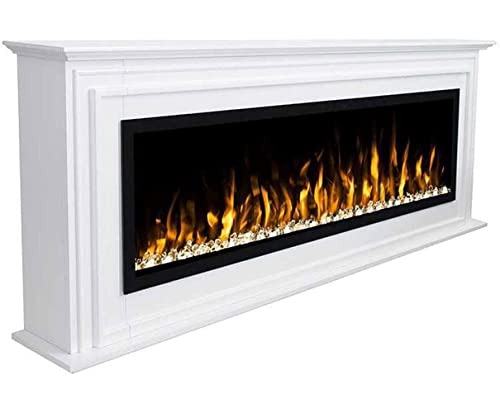 Use bio-ethanol only on the burners designed to burn the fuel. Other gels and liquid fuels could void the warranty of your burner.
Cost
The cost of a bioethanol fireplace varies in accordance with the kind and design you select. There are models ranging from a few hundred dollars to a few thousands dollars, however they're typically less expensive than a wood or gas fireplace. Certain models are freestanding, while others can be attached to a fireplace or built into the wall. Ethanol fireplaces are also less environmentally harmful than wood-burning fireplaces.
Bioethanol fires are popular because they provide a beautiful, natural flame without any smoke or soot. They are suitable for almost any space, and are easy to maintain. However it is important to only make use of bioethanol fuel specifically designed to be used in these fireplaces. Other types of fuel could cause damage to the burner and increase the risk of fire. Additionally, you should not keep flammable substances near the bioethanol fire - recent post by Blogbright,.
Ethanol fireplaces are fantastic to heat rooms, but they shouldn't be considered your primary source of heat. They are more efficient than wood-burning fire places and can generate lots of heat, about 2kW on average. It's not enough to heat an entire home, but it will definitely help to warm up an area.
You should also consider the cost of maintaining an ethanol fireplace. The fireplace should be kept in a secure place away from children and pets. Follow the manufacturer's guidelines when adding fuel, then extinguishing the flame and let the heater cool.
A ethanol fireplace can be a great alternative to a wood-burning stove. It has the primary benefit of not requiring the chimney. You can save money by not having to set up and maintain a chimney. Furthermore, it is more secure to use than other types of fireplaces. But it is still an excellent idea to consult with a professional prior to making the final decision. You can be assured that the fireplace is properly and safely installed.
Environmental impact
An ethanol fireplace is an eco-friendly alternative to traditional wood-burning fires. It is powered by bioethanol which is created by the fermentation process of sugar and starch components of materials from plants such as straw, corn, and maize. The biofuel's liquid is further distilled to make it burn cleanly and efficiently. This kind of fuel is considered to be renewable energy source that leaves no unpleasant odours or harmful emissions. It is free of smoke and soot which makes it an ideal choice for your home than other types of fires.
Ethanol fireplaces don't require venting and chimneys, so they can be put in almost any room in your house. Most models come with a remote control. A majority of them also have an inbuilt cooling system to prevent the fuel from overheating. They can be used either as a primary source of heat or as an additional heating unit. They are also great for people who live in apartments or condos.
Bioethanol fireplaces produce minimal odours. This makes them a perfect choice for homes with those who suffer from allergies or asthma. In fact, this kind of fireplace can be safely installed in a nursery for babies or a child's room. It is essential to remember, however, that these fireplaces must be kept at a safe distance from objects that ignite, like curtains and furniture.
One of the biggest benefits of an ethanol fireplace is its simple use. It is much easier to set up than a fireplace that burns wood and doesn't require complicated electrical connections or installations. Furthermore, the fuel liquid can be stored in a tank that is portable so that it can be moved from room to. This lets you take pleasure in the warmth of a fireplace without having to tackle the mess of chopping, stacking and cleaning up wood.
A bioethanol fireplace produces a minimal amount of pollution. This is a fantastic choice for those who are concerned about the environment. They also help you save money and energy.
Safety
A bioethanol fireplace is a safe alternative to an open flame. They burn cleanly and produce less smoke than other options and are simple to use. However, like all fireplaces and other appliances that generate fire they could be dangerous if used incorrectly. Fireplaces that are constructed with wood require special attention and care, so it is important to read the instructions carefully and adhere to them.
If you're using a bioethanol fireplace, be sure to place it in a place that is well-ventilated and away from other fire-prone materials. Also, keep children and pets away from the fireplace. Do not move it while the fire is still burning. This could trigger an explosion.
Bioethanol fireplaces aren't as dangerous as wood or gas fireplaces, but there are safety guidelines to follow to ensure a safe operation. This includes keeping all flammable objects at least 1500mm from the flame and not touching it while the flame is burning. It is also essential to not add fuel to a ethonal fire that isn't approved.
The bio-ethanol fireplace's burning process is safe as long as you follow the instructions. Fuel is pumped through a vapour-accelerator, where it evaporates, and then ignited with a filament. This method of combustion ensures that the fuel is fully combustion-free, which means it is free of smell and harmful substances such as dioxins and furans.
It is essential to read and follow the directions that are provided by the manufacturer prior to installing or operating an ethanol fireplace. They should also be kept away from any combustible materials, such as curtains and newspapers. They should be kept at a reasonable distance from other appliances in the home and should not be placed close to sleeping animals or children.
A bio ethanol fireplace has the advantage that it doesn't emit harmful odours or fumes. This is a safe choice for homes with pets or small children. They are also more convenient than traditional fireplaces since they don't require chimneys and do not cause carbon monoxide poisoning. These fireplaces provide a number of advantages, including the ability to put them anywhere and move them around.
Installation
A bioethanol fireplace is a fantastic method to add ambiance and warmth to your home. They come in a variety of styles and can be installed in a number of ways. They can be wall-mounted freestanding, built-in or see-through. You should always review the installation instructions for a fireplace prior installing it. This will ensure that you don't have any problems during the installation process and your fireplace can be used safely.
The process of installing a bioethanol modern fireplace is fairly simple. It involves installing the burner and building frames to be inserted into the wall. The frame should be constructed of an inert material that is not flammable. This will stop the burner from igniting your wall. This also helps prevent the flame from spreading to other parts of the room. The frame should be secured to the wall using suitable screws and dowels.
Unlike other kinds of fireplaces ethanol fires do not require a chimney or flue. This makes them a more economical choice for homeowners. They can also be placed in any room and then easily moved. Additionally, they do not generate any harmful emissions.
When properly used, a bioethanol fireplace is extremely safe. Like any fire it is essential to keep them away from children and any flammable surfaces. The fuel should be stored in a safe area and the fire should be put out before refueling.
Ethanol fireplaces don't produce any soot or ash, and they are easy to clean. They are a great option for those who are concerned about the impact on the environment that traditional wood-burning ones. Ethanol-fueled fireplaces are an excellent alternative to electric firesuite or gas fireplaces.
While bioethanol fireplaces are a wonderful addition to any home, they should not be used as a primary source of heat. They are designed to add warmth and create a cozy ambience however they aren't sufficient to heat the entire house. The best way to install a bioethanol fireplace is to employ an expert to complete the job.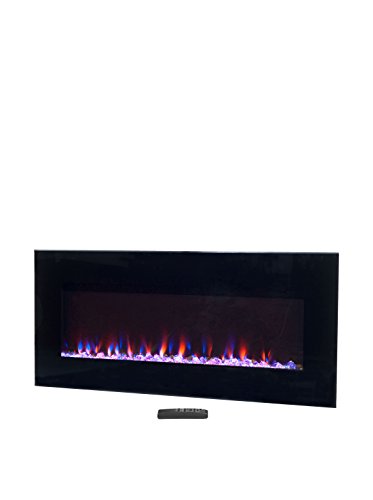
Ethanol fireplaces can be a fantastic alternative to gas or wood fires as they don't require an chimney or flue. They also don't produce any smoke, ash or mess and are easily moved from one home to another.
Use bio-ethanol only on the burners designed to burn the fuel. Other gels and liquid fuels could void the warranty of your burner.Cost
The cost of a bioethanol fireplace varies in accordance with the kind and design you select. There are models ranging from a few hundred dollars to a few thousands dollars, however they're typically less expensive than a wood or gas fireplace. Certain models are freestanding, while others can be attached to a fireplace or built into the wall. Ethanol fireplaces are also less environmentally harmful than wood-burning fireplaces.
Bioethanol fires are popular because they provide a beautiful, natural flame without any smoke or soot. They are suitable for almost any space, and are easy to maintain. However it is important to only make use of bioethanol fuel specifically designed to be used in these fireplaces. Other types of fuel could cause damage to the burner and increase the risk of fire. Additionally, you should not keep flammable substances near the bioethanol fire - recent post by Blogbright,.
Ethanol fireplaces are fantastic to heat rooms, but they shouldn't be considered your primary source of heat. They are more efficient than wood-burning fire places and can generate lots of heat, about 2kW on average. It's not enough to heat an entire home, but it will definitely help to warm up an area.
You should also consider the cost of maintaining an ethanol fireplace. The fireplace should be kept in a secure place away from children and pets. Follow the manufacturer's guidelines when adding fuel, then extinguishing the flame and let the heater cool.
A ethanol fireplace can be a great alternative to a wood-burning stove. It has the primary benefit of not requiring the chimney. You can save money by not having to set up and maintain a chimney. Furthermore, it is more secure to use than other types of fireplaces. But it is still an excellent idea to consult with a professional prior to making the final decision. You can be assured that the fireplace is properly and safely installed.
Environmental impact
An ethanol fireplace is an eco-friendly alternative to traditional wood-burning fires. It is powered by bioethanol which is created by the fermentation process of sugar and starch components of materials from plants such as straw, corn, and maize. The biofuel's liquid is further distilled to make it burn cleanly and efficiently. This kind of fuel is considered to be renewable energy source that leaves no unpleasant odours or harmful emissions. It is free of smoke and soot which makes it an ideal choice for your home than other types of fires.
Ethanol fireplaces don't require venting and chimneys, so they can be put in almost any room in your house. Most models come with a remote control. A majority of them also have an inbuilt cooling system to prevent the fuel from overheating. They can be used either as a primary source of heat or as an additional heating unit. They are also great for people who live in apartments or condos.
Bioethanol fireplaces produce minimal odours. This makes them a perfect choice for homes with those who suffer from allergies or asthma. In fact, this kind of fireplace can be safely installed in a nursery for babies or a child's room. It is essential to remember, however, that these fireplaces must be kept at a safe distance from objects that ignite, like curtains and furniture.
One of the biggest benefits of an ethanol fireplace is its simple use. It is much easier to set up than a fireplace that burns wood and doesn't require complicated electrical connections or installations. Furthermore, the fuel liquid can be stored in a tank that is portable so that it can be moved from room to. This lets you take pleasure in the warmth of a fireplace without having to tackle the mess of chopping, stacking and cleaning up wood.
A bioethanol fireplace produces a minimal amount of pollution. This is a fantastic choice for those who are concerned about the environment. They also help you save money and energy.
Safety
A bioethanol fireplace is a safe alternative to an open flame. They burn cleanly and produce less smoke than other options and are simple to use. However, like all fireplaces and other appliances that generate fire they could be dangerous if used incorrectly. Fireplaces that are constructed with wood require special attention and care, so it is important to read the instructions carefully and adhere to them.
If you're using a bioethanol fireplace, be sure to place it in a place that is well-ventilated and away from other fire-prone materials. Also, keep children and pets away from the fireplace. Do not move it while the fire is still burning. This could trigger an explosion.
Bioethanol fireplaces aren't as dangerous as wood or gas fireplaces, but there are safety guidelines to follow to ensure a safe operation. This includes keeping all flammable objects at least 1500mm from the flame and not touching it while the flame is burning. It is also essential to not add fuel to a ethonal fire that isn't approved.
The bio-ethanol fireplace's burning process is safe as long as you follow the instructions. Fuel is pumped through a vapour-accelerator, where it evaporates, and then ignited with a filament. This method of combustion ensures that the fuel is fully combustion-free, which means it is free of smell and harmful substances such as dioxins and furans.
It is essential to read and follow the directions that are provided by the manufacturer prior to installing or operating an ethanol fireplace. They should also be kept away from any combustible materials, such as curtains and newspapers. They should be kept at a reasonable distance from other appliances in the home and should not be placed close to sleeping animals or children.
A bio ethanol fireplace has the advantage that it doesn't emit harmful odours or fumes. This is a safe choice for homes with pets or small children. They are also more convenient than traditional fireplaces since they don't require chimneys and do not cause carbon monoxide poisoning. These fireplaces provide a number of advantages, including the ability to put them anywhere and move them around.
Installation
A bioethanol fireplace is a fantastic method to add ambiance and warmth to your home. They come in a variety of styles and can be installed in a number of ways. They can be wall-mounted freestanding, built-in or see-through. You should always review the installation instructions for a fireplace prior installing it. This will ensure that you don't have any problems during the installation process and your fireplace can be used safely.
The process of installing a bioethanol modern fireplace is fairly simple. It involves installing the burner and building frames to be inserted into the wall. The frame should be constructed of an inert material that is not flammable. This will stop the burner from igniting your wall. This also helps prevent the flame from spreading to other parts of the room. The frame should be secured to the wall using suitable screws and dowels.
Unlike other kinds of fireplaces ethanol fires do not require a chimney or flue. This makes them a more economical choice for homeowners. They can also be placed in any room and then easily moved. Additionally, they do not generate any harmful emissions.
When properly used, a bioethanol fireplace is extremely safe. Like any fire it is essential to keep them away from children and any flammable surfaces. The fuel should be stored in a safe area and the fire should be put out before refueling.
Ethanol fireplaces don't produce any soot or ash, and they are easy to clean. They are a great option for those who are concerned about the impact on the environment that traditional wood-burning ones. Ethanol-fueled fireplaces are an excellent alternative to electric firesuite or gas fireplaces.
While bioethanol fireplaces are a wonderful addition to any home, they should not be used as a primary source of heat. They are designed to add warmth and create a cozy ambience however they aren't sufficient to heat the entire house. The best way to install a bioethanol fireplace is to employ an expert to complete the job.